Water scarcity and unreliable electricity sources can halt agricultural and industrial operations. This leads to crop failures, business loss, and rising costs. Solar-Powered Water Pumps offer a reliable, eco-friendly, and cost-effective solution.
Solar-Powered Water Pumps use solar panels to generate electricity, which powers a motor that drives water from a well, river, or tank to the desired location.
Discover how Solar-Powered Water Pumps can transform your water supply system sustainably and efficiently.
How does a solar powered water pump work?
A solar powered water pump operates by converting sunlight into electricity to move water. Here’s the basic process:
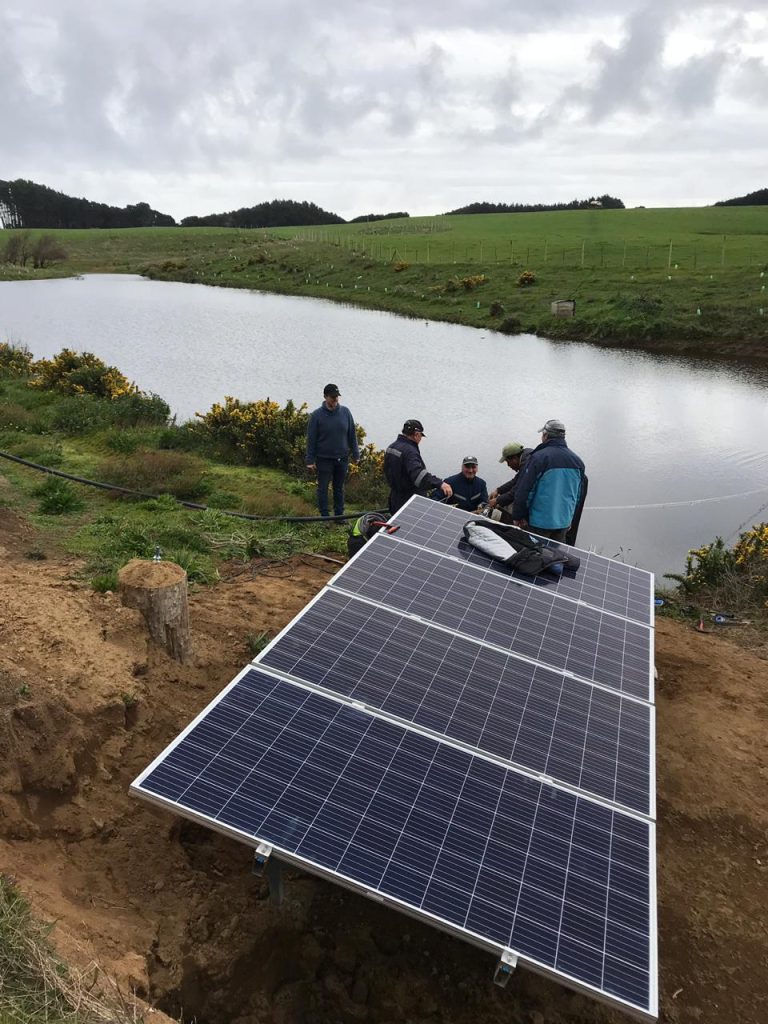
Solar panels capture sunlight and convert it into electrical energy through photovoltaic cells. This electricity is then sent to a controller, which regulates the voltage and current to ensure stable operation. Depending on the design, the controller might send the power directly to the water pump or store it in batteries for later use. The pump, powered by the electricity, lifts or moves water from its source to where it is needed — whether it’s for irrigation, livestock watering, or residential supply.
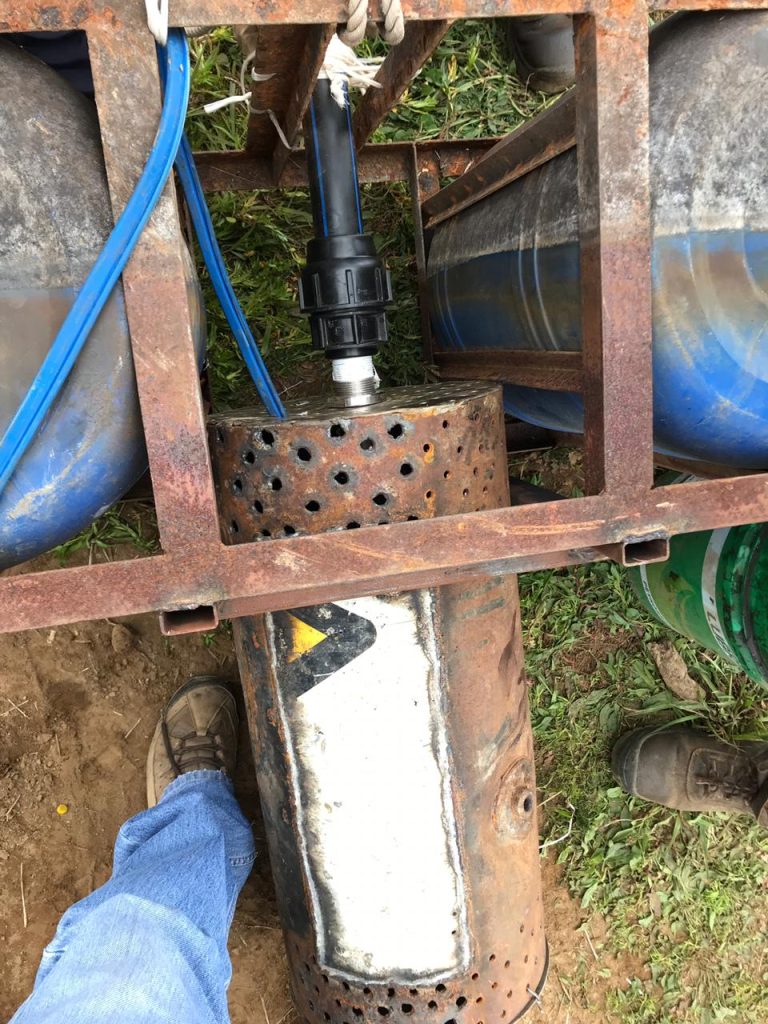
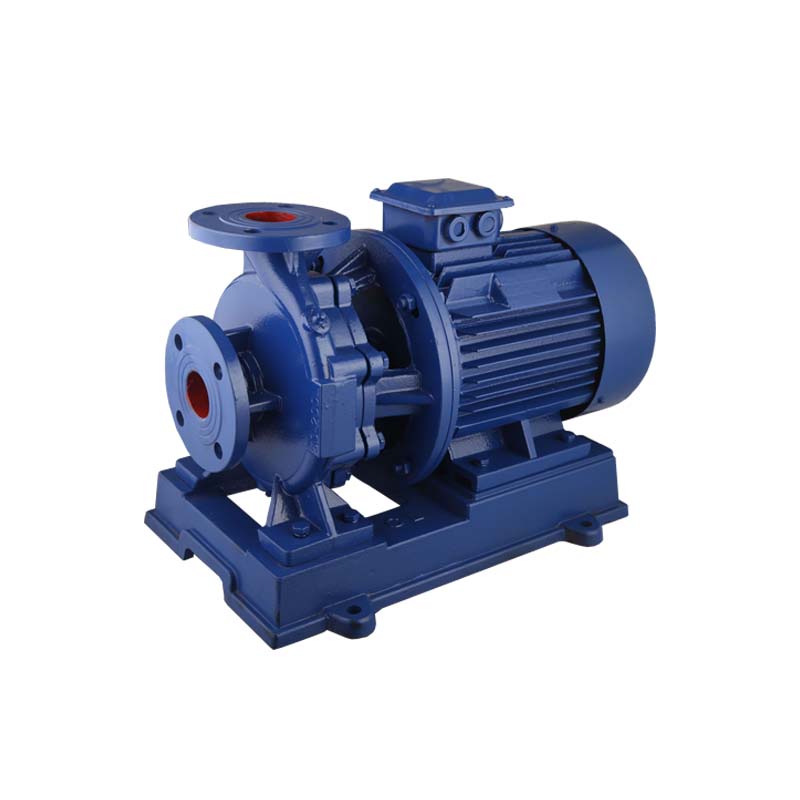
Typically, a solar water pump system consists of solar panels, a controller, an electric motor, and a pump (either submersible or surface). Submersible pumps are placed underwater and are ideal for deep wells, while surface pumps are used for shallow water sources. This mechanism eliminates the need for grid power or fuel-based generators, making solar powered water pumps an ideal solution for remote and off-grid locations.
With proper installation, these pumps can work automatically, adjusting performance based on the amount of sunlight available. Smart controllers also protect the system from dry running, overvoltage, and overheating, thus extending the lifespan of the solar water pump.
What is the weakness of a solar water pump?
Despite their many advantages, solar water pumps do have a few weaknesses you should be aware of:
The biggest limitation is dependence on sunlight. On cloudy days or during rainy seasons, the pump’s performance can drop significantly unless the system is equipped with battery storage. Another common challenge is the relatively high initial cost, although this can be offset over time through savings on electricity or fuel.
Maintenance is also a consideration. While solar powered water pumps generally require less maintenance than diesel pumps, the solar panels must be kept clean and free from dust and debris to maintain efficiency. Additionally, parts like the motor and controller can wear out over time, especially if the system is not adequately protected against harsh weather.
Finally, the pumping capacity is tied to the size and efficiency of the solar panels and pump. Larger or more powerful systems require more investment in panel arrays and mounting structures, which might not be feasible in very limited space.
Understanding these challenges helps businesses plan better and ensures that the selected solar powered water pump meets the site-specific requirements.
Does a solar water pump need a battery?
Not all solar water pumps need batteries, but in some cases, batteries are highly recommended.
In direct solar pump systems, the solar panels power the pump directly during daylight hours. This is simple, efficient, and cost-effective when water can be pumped and stored in a tank during the day for later use. However, without sunlight — during nights or cloudy days — these pumps will not operate unless there’s stored energy.
When continuous water supply is critical, a battery system is often added. The batteries store excess solar energy generated during the day, allowing the solar powered water pump to operate even when sunlight isn’t available. This provides flexibility and ensures a steady water supply regardless of weather conditions or time of day.
However, adding batteries increases the system cost, complexity, and maintenance requirements. Batteries need periodic replacement and proper care to avoid degradation.
Choosing whether to include a battery depends on the application needs: for irrigation that only requires daytime pumping, direct solar systems might be sufficient; for domestic use or livestock watering requiring 24/7 supply, a battery-backed solar water pump system is the better choice.
How long do solar water pumps last?
A high-quality solar water pump system is designed to last many years with proper maintenance.
Typically, the solar panels themselves can last between 20 to 25 years, with many manufacturers offering warranties in this range. The water pump component, depending on its build quality, environment, and usage, usually lasts around 10 to 15 years. Controllers and electronic parts may require replacement or upgrades every 5 to 10 years.
The longevity of a solar powered water pump depends heavily on regular maintenance. Keeping the solar panels clean ensures maximum power generation. Checking the pump for blockages, corrosion, or mechanical wear helps avoid unexpected breakdowns. Likewise, ensuring the motor does not run dry or overheat will protect the system.
Operating in extreme environmental conditions, such as very high temperatures or highly mineralized water sources, can shorten the system’s life if not properly managed.
Investing in premium-quality products from reliable manufacturers and following routine care practices will maximize the lifespan of your solar water pump, providing excellent long-term returns on your investment.
Conclusion
Solar-Powered Water Pumps offer a sustainable, cost-effective, and reliable solution for modern water supply needs.