Why Would a Water Pump Stop After a Few Minutes?
A water pump that starts normally but stops after several minutes can indicate overheating, electrical problems, insufficient water supply, incorrect pump selection, or mechanical issues. Identifying the root cause quickly helps prevent motor damage and costly replacement.
Why does a water pump stop after running for a few minutes?
A water pump may stop after several minutes because the motor protection system detects abnormal operating conditions. Common causes include overheating, voltage instability, dry running, blocked impellers, incorrect installation, or a pump working outside its designed performance range. Checking the power supply, water source, pump condition and operating environment can help locate the problem.
A water pump suddenly stopping during operation is a common issue in residential, agricultural and industrial water systems. The pump may start normally, deliver water for a short period, and then shut down unexpectedly. This situation not only affects water supply reliability but may also indicate a deeper problem that could permanently damage the motor.
Understanding why a water pump stops after a few minutes allows users, installers and distributors to diagnose problems faster and select the correct solution.
1. Is the water pump overheating?
One of the most common reasons a water pump stops after several minutes is motor overheating.
Most modern electric pumps are equipped with thermal overload protection. When the motor temperature rises above the safe operating limit, the protection device automatically disconnects the power supply to prevent motor burnout. After cooling down, the pump may restart again, creating a cycle where the pump runs briefly and then stops.
Several factors can cause overheating:
Insufficient cooling
Submersible pumps rely on the surrounding water to cool the motor. If the pump operates in a low-water condition or is only partially submerged, the motor temperature can rise quickly.
Wrong voltage supply
Low voltage forces the motor to draw higher current to produce the required power. This increases heat generation and may activate overload protection.
For example, a 220V pump operating continuously under unstable voltage conditions may experience frequent shutdowns.
Pump overload
If the pump is required to operate at a higher head or flow condition than its design specification, the motor may work under excessive load.
Selecting a pump based only on horsepower without checking flow rate and head requirements is one of the common causes of motor overheating.
2. Could the pump be running without enough water?
Dry running is another major reason why a water pump stops after a short period.
A pump requires water flow to lubricate and cool internal components. When the water source is insufficient, the pump may continue running without adequate cooling, causing:
- Motor overheating
- Mechanical seal damage
- Impeller wear
- Reduced pump lifespan
This problem is especially common with:
- Deep well submersible pumps
- Solar water pumps
- Borehole pumps
- Agricultural irrigation pumps
For example, during dry seasons, a well may not recover quickly enough after continuous pumping. The pump removes water faster than the groundwater supply can replenish it, causing the water level to drop.
A reliable system should include protection functions such as:
- Dry-run protection
- Low-water level sensor
- Automatic restart function
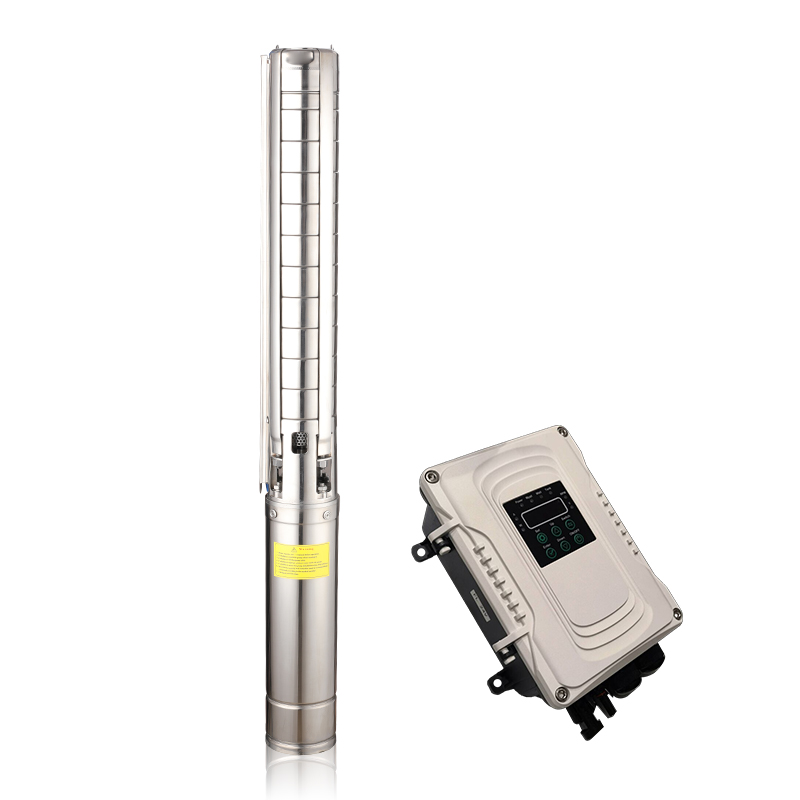
CTT solar pumping systems and submersible pump solutions can be configured with intelligent controllers that monitor operating conditions and protect the pump from dry running.
3. Is there an electrical problem causing the pump to stop?
Electrical issues are another common reason why a pump starts and stops unexpectedly.
Common electrical problems include:
Voltage fluctuation
Electric motors require stable voltage to operate correctly.
If voltage is too low:
- Motor current increases
- Motor temperature rises
- Overload protection activates
If voltage is too high:
- Motor insulation may deteriorate
- Electrical components may fail
Incorrect wiring
Loose terminals, damaged cables or incorrect wiring can interrupt power supply after the pump begins operating.
This problem is especially important for:
- Long-distance pump installations
- Deep well pumps with long cables
- Outdoor agricultural applications
Overload protection activation
Many pump control panels include overload protection. When the motor current exceeds the rated value, the system disconnects power automatically.
Before restarting the pump repeatedly, users should identify why excessive current occurs.
4. Could a blocked impeller cause the pump to stop?
A blocked or damaged impeller can also cause a pump to stop after several minutes.
When foreign materials enter the pump, they may restrict rotation and increase motor resistance.
Common blockage materials include:
- Sand
- Mud
- Fibers
- Plastic waste
- Solid particles
This problem frequently occurs in:
- Sewage pumping applications
- Wastewater treatment systems
- Drainage projects
When the impeller cannot rotate freely, the motor must work harder, resulting in higher current consumption and overheating.
For wastewater applications, choosing a pump designed for solids handling is essential.
CTT WQ series submersible sewage pumps are designed for wastewater applications with reliable solids passing capability, helping reduce blockage risks in demanding environments.
5. Is the pump incorrectly selected for the application?
A water pump may stop repeatedly if the selected model does not match actual operating conditions.
Pump selection depends on several factors:
- Required flow rate
- Total head
- Pipe length
- Pipe diameter
- Water quality
- Operating hours
A common mistake is choosing a pump based only on motor power.
For example:
A 2 HP pump does not always provide higher performance than a 1.5 HP pump if the hydraulic design is unsuitable.
An incorrectly selected pump may:
- Operate outside its efficiency range
- Consume excessive power
- Overheat frequently
- Experience premature failure
Professional pump selection should consider the complete hydraulic system rather than only the pump horsepower.
6. Can a damaged capacitor cause a water pump to stop?
For single-phase water pumps, a faulty capacitor can cause intermittent operation.
The capacitor helps the motor start and maintain proper rotation.
Signs of capacitor problems include:
- Pump starts slowly
- Motor makes humming noise
- Pump stops after running briefly
- Motor restarts only after cooling
If the capacitor loses capacity, the motor may draw excessive current and trigger thermal protection.
Replacing the capacitor with the correct specification can often solve this problem.
7. How can you troubleshoot a water pump that stops after a few minutes?
A systematic inspection process helps identify the problem quickly.
Step 1: Check the power supply
Measure:
- Voltage
- Current
- Wiring condition
Confirm that electrical parameters match the motor specification.
Step 2: Check water availability
Confirm:
- Pump remains fully submerged
- Water source is sufficient
- No air enters the suction line
Step 3: Check pump load
Compare actual operating conditions with the pump curve:
- Flow rate
- Head pressure
- Motor current
Step 4: Inspect mechanical conditions
Check:
- Impeller blockage
- Bearing condition
- Mechanical seal
- Pump vibration
Step 5: Check protection devices
Review:
- Thermal overload
- Controller alarms
- Dry-run protection records
How can you prevent a water pump from stopping unexpectedly?
Preventive maintenance and correct pump selection are the most effective ways to avoid unexpected shutdowns.
Recommended practices include:
Choose the correct pump model
Always select pumps according to:
- Flow requirements
- Head requirements
- Application conditions
Install proper protection systems
Recommended protection includes:
- Overload protection
- Dry-run protection
- Overvoltage protection
- Undervoltage protection
Maintain the pump regularly
Regular inspection helps detect:
- Cable damage
- Wear parts problems
- Reduced performance
Use quality pump components
Reliable motors, mechanical seals and hydraulic components significantly improve operating life.
Conclusion
A water pump that stops after a few minutes is usually caused by overheating, dry running, electrical problems, blockage or incorrect pump selection. Finding the exact cause requires checking both the pump itself and the complete water system.
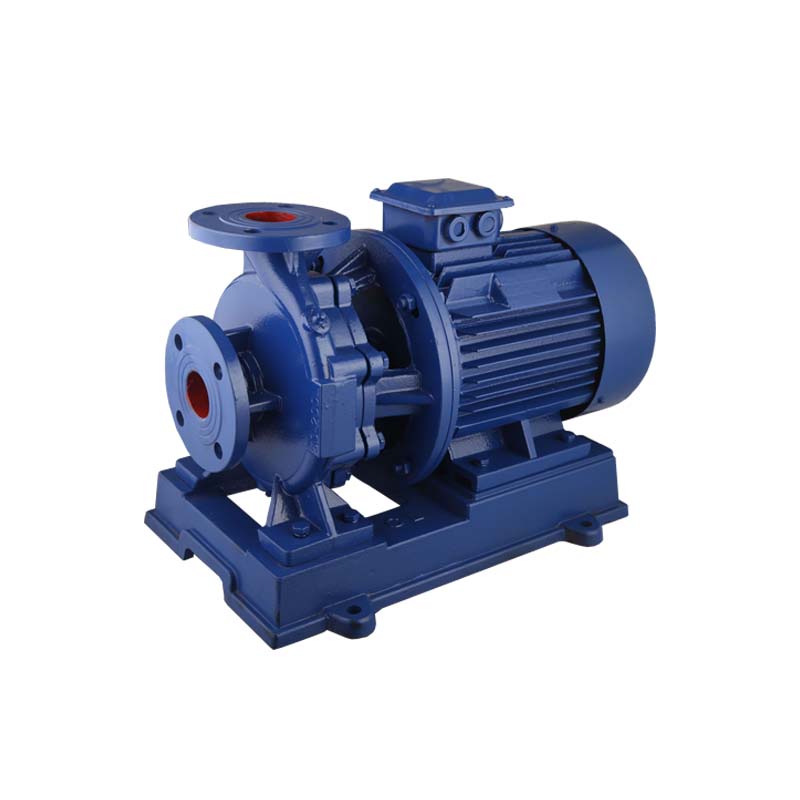
For distributors, installers and engineering companies, selecting a reliable pump manufacturer is essential to reduce after-sales problems. CTT Pump provides a wide range of submersible pumps, sewage pumps, solar water pumps and centrifugal pumps designed for different water supply and wastewater applications.
With proper selection, installation and protection, a quality water pump can provide stable performance for many years.
FAQ
Why does my water pump run for 5 minutes and then stop?
The most common reasons are overheating, low voltage, dry running, blocked impellers or motor overload protection activation.
Why does my submersible pump keep shutting off?
A submersible pump may shut off because of low water level, overheating, electrical problems or incorrect pump selection.
How do I stop my pump from overheating?
Ensure correct voltage, proper water cooling, correct pump sizing and install overload protection.
Can a water pump restart after stopping?
Yes. If thermal protection is activated, the pump may restart automatically after cooling. However, the root cause should be identified to avoid repeated damage.