Which types of water pumps are used in rural areas?
In many rural regions, water scarcity hampers agriculture and daily life, leading to poor harvests and hardships. Without reliable water pumps, farmers struggle to irrigate fields and access groundwater. Fortunately, modern pump technologies like borehole pumps, solar pumps, and surface pumps now offer sustainable and efficient solutions.
Water pumps used in rural areas include surface pumps, submersible borehole pumps, and solar-powered pumps. Each type serves different purposes—surface pumps draw shallow water, borehole pumps lift deep groundwater, and solar pumps use sunlight for energy-efficient irrigation. Choosing the right one depends on the water source, depth, and energy availability.
Rural water supply and farming efficiency depend on understanding the strengths and limits of each pump type.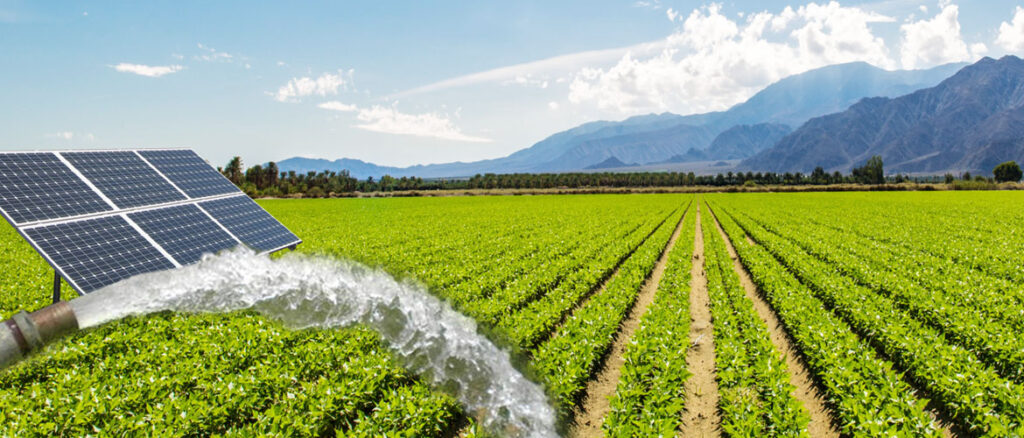
What are the three types of water pumps?
The three main types of water pumps commonly used in rural settings are surface pumps, submersible (borehole) pumps, and solar pumps.
Surface pumps are installed above the water source and are ideal for shallow wells, rivers, or storage tanks. They operate by creating suction, drawing water up from a maximum depth of about 7 meters. Because they are easily accessible, maintenance and repair are straightforward. These pumps are often powered by electricity or fuel, making them suitable for small-scale irrigation or domestic water transfer.
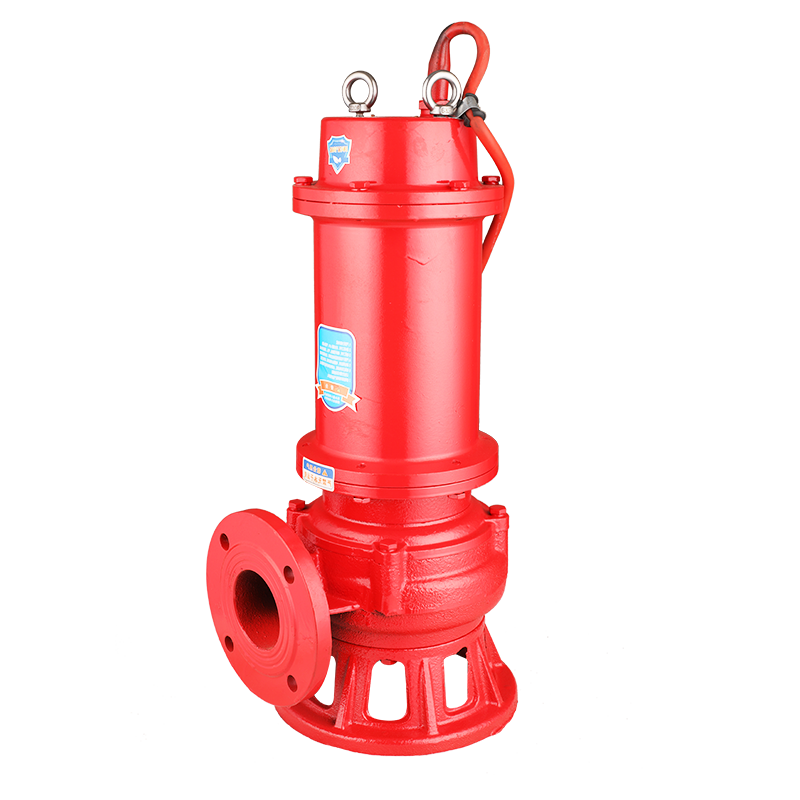
Submersible or borehole pumps, on the other hand, are placed deep underground, fully submerged in water. They are essential for areas where groundwater is located far below the surface, often more than 15 meters deep. Borehole pumps are reliable for delivering consistent water flow even in dry seasons, though they can be more expensive to install and maintain.
Solar pumps represent a newer, eco-friendly technology that harnesses sunlight through photovoltaic panels. They can power both surface and borehole pump systems, offering a cost-effective, sustainable solution in off-grid rural communities. Solar pumps have minimal operational costs and are perfect for regions with abundant sunlight and limited electricity access.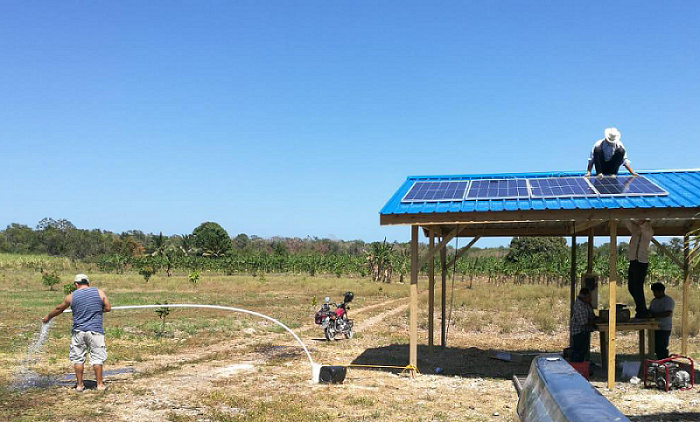
What are the different types of water pumps used in farming?
In farming, different pump types are used based on water sources, field sizes, and irrigation systems. The most common include centrifugal pumps, submersible borehole pumps, surface pumps, and solar-powered pumps.
Centrifugal pumps are widely used for moving large volumes of water over short distances. They operate by spinning an impeller to create water flow, making them efficient for surface water irrigation and sprinkler systems. Farmers prefer them for their simplicity, low maintenance, and affordability.
Submersible borehole pumps are crucial in deep well irrigation systems, where surface pumps cannot reach. These pumps push water upward efficiently, making them perfect for drawing groundwater for large farms or drought-prone regions.
Solar pumps are increasingly popular among rural farmers because they eliminate dependence on electricity or fuel. By combining solar panels with surface or borehole pumps, farmers can irrigate crops sustainably and reduce operational costs. Over time, the investment pays off through energy savings and consistent water access.
Additionally, positive displacement pumps, such as piston and diaphragm types, are sometimes used for drip irrigation, where precise, low-pressure water delivery is required. This variety of pumps ensures that farmers can select equipment that fits their land, crop type, and budget.
What is the most commonly used water pump? Which is better, a centrifugal or monoblock pump?
The most commonly used water pump in rural areas is the centrifugal pump, especially for surface water applications. Its widespread use stems from its affordability, easy operation, and compatibility with various power sources, including diesel, electricity, and solar energy.
When comparing centrifugal and monoblock pumps, the distinction lies mainly in their design and use case. A centrifugal pump typically consists of separate motor and pump units connected by a coupling. It is suitable for larger installations that may require flexible maintenance or replacement of individual parts.
A monoblock pump, however, integrates the motor and pump into a single compact unit. This design reduces power loss, improves efficiency, and minimizes vibration. Monoblock pumps are preferred for domestic or small-scale agricultural use where easy installation and space-saving design are advantages.
In terms of performance, centrifugal pumps generally handle higher water volumes and are better for large irrigation fields, while monoblock pumps are ideal for moderate flow applications like small farms or household water supply. Both can be powered by solar systems, making them excellent candidates for off-grid rural communities.
Ultimately, the best choice depends on water depth, required pressure, and energy source. Many rural farmers now combine solar energy with centrifugal or monoblock pumps to achieve both performance and sustainability.
Summary
Rural areas rely on surface, borehole, and solar pumps to secure water access and power sustainable agriculture efficiently.