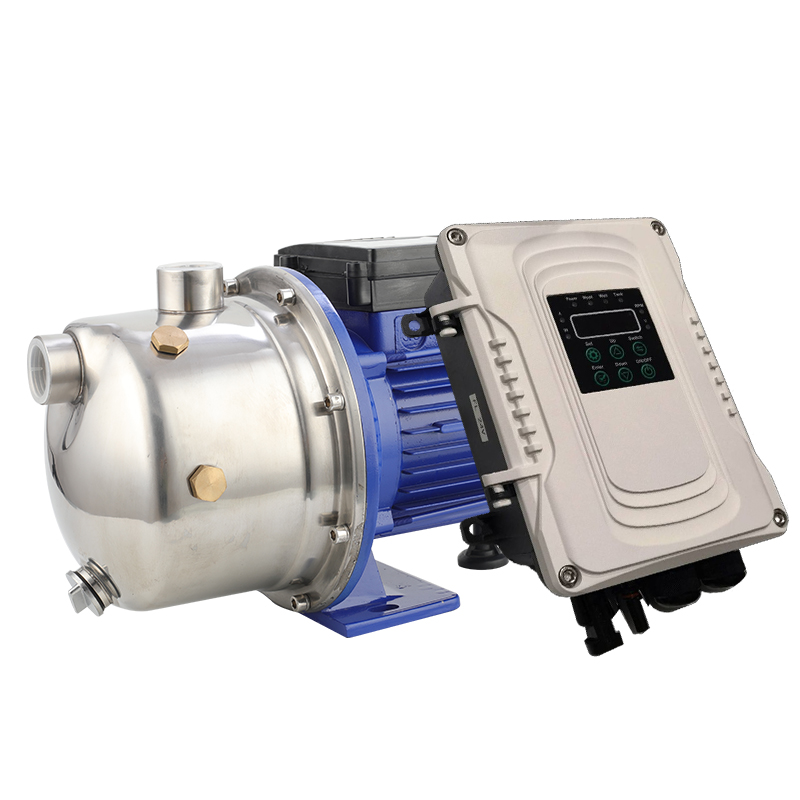
The Risk of Running a Submersible Pump Dry
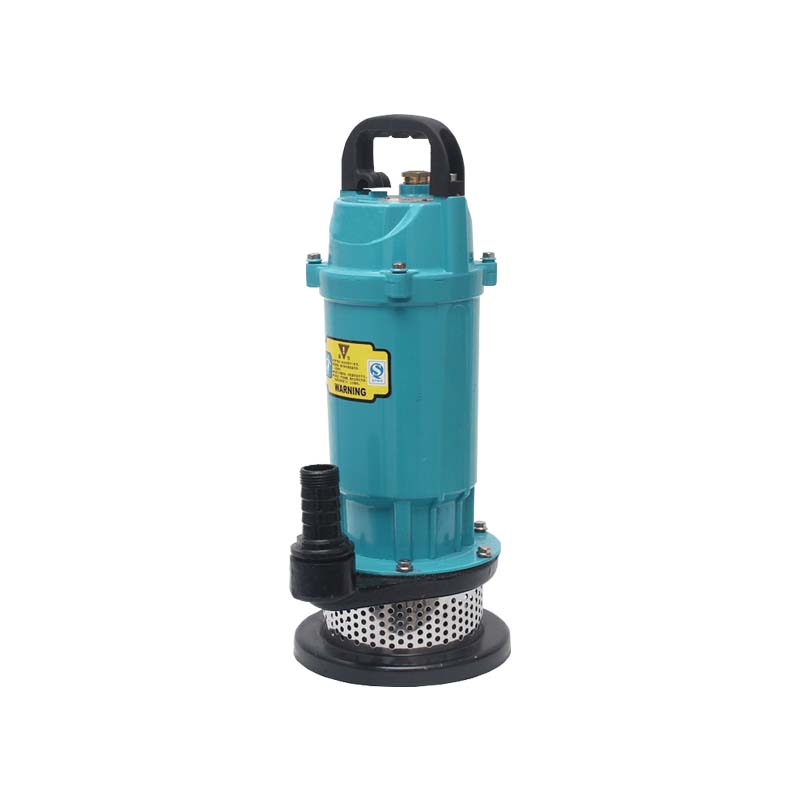
Running a submersible pump without water can cause severe damage. Overheating, motor failure, and internal component wear are common consequences, leading to costly repairs or replacements. To prevent this, always ensure proper water levels before operating the pump.
Can a Submersible Pump Run Without Water?
A submersible pump should never run without water, as it relies on water for cooling and lubrication. Running it dry can cause overheating, rapid wear of internal components, and motor burnout, leading to pump failure. Using a submersible pump with a float switch can help prevent dry running by automatically shutting off the pump when water levels are too low.
Read on to learn how long a pump can last without water and how to prevent damage.
How Long Can a Submersible Pump Run Without Water?
A submersible pump can only run without water for a very short period—usually a few seconds to a couple of minutes—before serious damage occurs. The pump’s motor and bearings depend on water for cooling and lubrication. If the pump runs dry, friction increases, leading to overheating and eventual failure. Some high-end models include built-in thermal protection, but most standard pumps will suffer irreversible damage if left running dry for too long. Submersible pump manufacturers recommend installing protective devices such as dry-run sensors to extend the pump’s lifespan.
Why Should Submersible Pumps Not Be Operated Without Water?
A submersible pump should not be operated dry due to the following reasons:
- Overheating: Water cools the pump’s motor. Without it, the pump can overheat quickly.
- Seal and Bearing Damage: The pump’s mechanical seals and bearings require water for lubrication. Running dry causes friction and wear.
- Motor Burnout: The increased temperature can lead to electrical failure, permanently damaging the pump.
- Pump Cavitation: When the pump runs without water, air pockets form, reducing efficiency and causing internal component damage.
Using a submersible pump with a float switchprevents these issues by automatically shutting off the pump when water levels drop too low.
What Should We Do to Avoid Pump Damage by Lack of Water?
To protect your submersible pump, follow these steps:
- Install a Float Switch: A submersible pump with a float switchautomatically turns off when water is insufficient, preventing dry running.
- Use Dry-Run Protection Sensors: These devices monitor water levels and shut down the pump if no water is detected.
- Check Water Levels Regularly: Ensure the pump’s water source is adequate before operation.
- Choose a High-Quality Pump: Reliable submersible pump manufacturersdesign pumps with thermal protection to prevent overheating.
- Perform Routine Maintenance: Regular inspections help detect potential issues before they cause pump failure.


Conclusion
Running a submersible pump without water can lead to overheating, seal damage, and motor failure. Preventive measures like float switches and dry-run sensors can help protect your pump.