What is the cheapest way to make a water pump?
A poor-quality or overpriced pump risks downtime, lost profits, and damaged reputation. Choosing smart, cost-effective pump solutions ensures reliable performance and long-term savings.
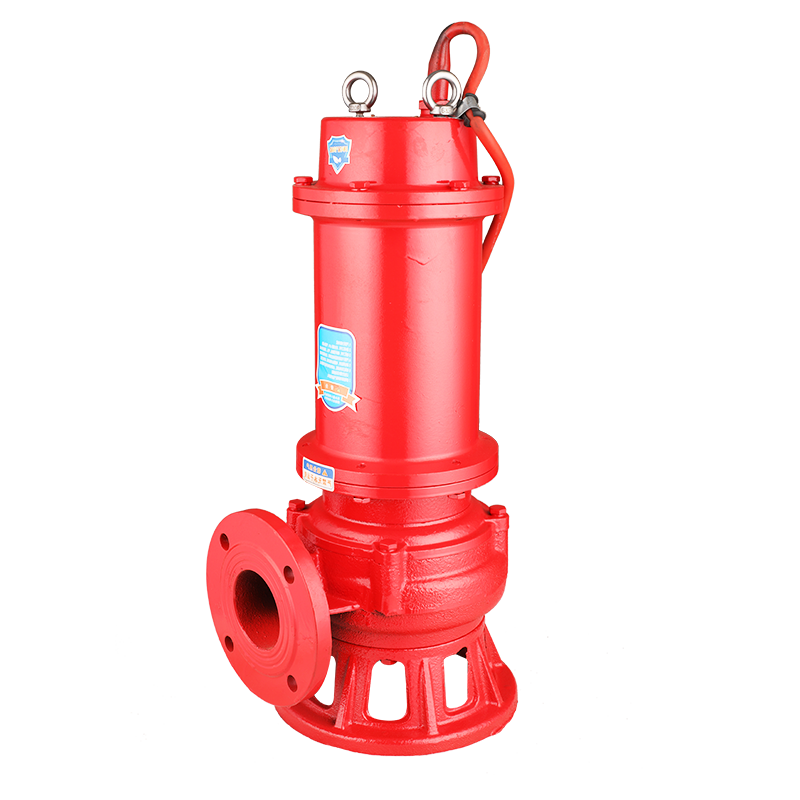
The cheapest way to make a water pump is by using basic DIY materials such as tubing, a small motor, and a simple impeller. For larger-scale use, wholesale factory-manufactured pumps like submersible pumps or borehole pumps offer the best balance of low cost and reliability.
Read on to discover how practical solutions save money while keeping performance high.
How to make a small DIY water pump?
The cheapest way to build a small DIY water pump is by repurposing simple parts you may already have. For instance, a DC motor from an old toy or appliance can be connected to plastic tubing and a basic impeller made from recycled plastic or bottle caps. The motor spins the impeller, creating suction that pushes water through the tubing.
This homemade design is affordable and demonstrates the core principle of a centrifugal pump. However, the flow rate and durability are extremely limited. Such pumps can only handle small-scale tasks, like watering plants, aquarium circulation, or basic science experiments. They are not designed for continuous use, pressure stability, or harsh water conditions.
For professional use, such as irrigation, construction, or industrial drainage, a factory-produced utility pump, submersible pump, or borehole pump is a better choice. Manufacturers like ctt design pumps with engineered impellers, balanced motors, and protective casings. These ensure high efficiency, safe operation, and long-term reliability. In practice, investing in a wholesale batch of pumps from a trusted factory often costs less in the long run than repairing or replacing DIY units repeatedly.
How long will a 12v battery run a water pump?
A common question for buyers is whether a 12v battery can run a water pump efficiently and for how long. The answer depends on two main factors: the power rating of the pump and the battery’s amp-hour capacity.
For example, consider a small 12v submersible pump that uses 60 watts of power. At 12 volts, this equals about 5 amps of current draw (Watts ÷ Volts = Amps). If you pair it with a 12v battery rated at 100 amp-hours, the theoretical runtime is:
100 amp-hours ÷ 5 amps = 20 hours.
In reality, most batteries should not be fully discharged, and efficiency losses from wiring and the pump motor itself reduce this number. A more realistic runtime is 15–17 hours. Larger pumps, such as borehole pumps with higher horsepower motors, consume more electricity and therefore shorten battery life.
For long-term or remote use, many businesses pair pumps with solar panels, turning them into solar water pumps. This hybrid approach provides reliable operation with minimal ongoing costs. When buying pumps for resale, buyers should consider not only the purchase price but also how energy-efficient the pump is, since this affects customer satisfaction and repeat business.
How to make water go uphill without electricity?
Transporting water uphill without electricity may seem difficult, but it can be done using natural forces and clever engineering. Three practical methods are commonly used:
- Gravity-fed systems: If the water source is higher than the destination, gravity alone can move the water downhill through pipes. While simple, this requires suitable terrain.
- Siphons: A siphon uses a continuous tube filled with water, allowing liquid to flow uphill temporarily before falling lower than the source. It’s inexpensive but limited in distance and height.
- Hydraulic ram pumps: These devices use water hammer pressure from a flowing stream to push a portion of water uphill. Once built, they operate continuously with no external energy.
These low-cost methods are useful in rural regions, emergency situations, or locations without reliable electricity. However, they rarely match the performance of modern submersible pumps or borehole pumps, which can lift water hundreds of meters with steady pressure. For commercial buyers, a solar water pump system often provides the best of both worlds: no ongoing electricity costs and reliable uphill pumping.
Does a water pump consume a lot of electricity?
Electricity consumption is a major concern for businesses sourcing pumps. The amount of power a pump uses depends on several factors:
Pump type: Submersible pumps are generally more energy-efficient than surface pumps because they push water from below rather than pulling from above.
Motor size: Small utility pumps may consume only 100–300 watts, while heavy-duty borehole pumps can require several kilowatts.
Application: Pumps used for constant irrigation or construction site drainage naturally consume more power than occasional domestic use.
Although pumps can be energy-intensive, efficiency varies significantly between models. Buyers should always check specifications such as flow rate, head pressure, and efficiency ratings. A well-designed pump delivers more water per unit of electricity, reducing total operating costs.
For example, using a cheap, inefficient pump may save money upfront but lead to higher electricity bills and faster wear. On the other hand, pumps from established manufacturers offer a steady balance of cost, performance, and efficiency. Businesses in regions with high electricity costs often turn to solar water pumps, which completely eliminate electricity expenses while ensuring dependable performance.
By paying attention to both purchase price and energy usage, B2B buyers can secure pumps that strengthen their competitive position in the market.
Conclusion
The cheapest way to make a water pump is through simple DIY methods using motors, tubing, and impellers. While this is useful for small-scale projects, professional buyers focused on long-term performance should invest in factory-made pumps. Submersible pumps, borehole pumps, and solar water pumps from manufacturers like ctt balance affordability with durability and efficiency.
For wholesalers, distributors, and service providers, the real savings come not from the lowest upfront price but from steady quality, reliable shipments, and excellent after-sale support. Choosing the right partner ensures pumps meet customer expectations and keep your business competitive in tough markets.