When you need to remove excess water from a worksite, choosing the wrong pump can lead to costly delays and inefficiency. Poor dewatering pump selection can disrupt schedules and increase operational costs. To avoid these setbacks, it’s crucial to understand what dewatering pumps are and how they can improve your workflow.
Dewatering pumps are designed to remove unwanted water from construction sites, mines, and other industrial settings. Their efficient operation prevents flooding, reduces downtime, and ensures work progresses smoothly.
By understanding the scope of applications and the key features of dewatering pumps, you’ll be able to choose the right one for your needs. Continue reading to discover how dewatering pumps function and where they are most beneficial.
What Is a Dewatering Pump?
A dewatering pump is a type of pump used to remove water from an area or environment where it’s causing a problem, such as a construction site, mining operation, or flooded area. These pumps are designed to handle large volumes of water quickly and efficiently, preventing damage to property, equipment, or structures. They are typically durable and able to handle harsh environments, making them ideal for industries like construction, mining, and municipal drainage.
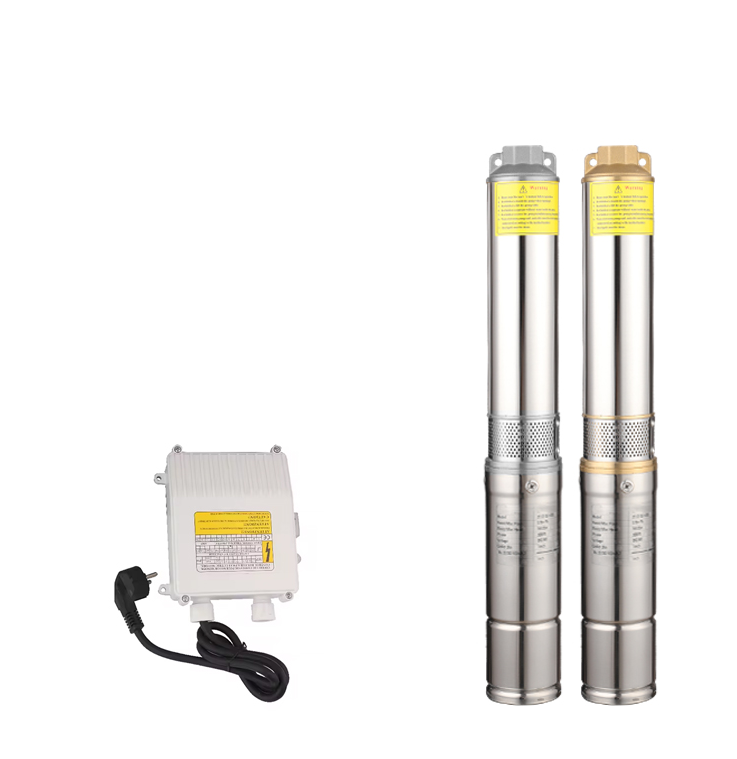
Dewatering pumps come in different types, including centrifugal pumps and submersible pumps, each designed to meet specific water removal needs. The versatility and robust design of dewatering pumps allow them to be used for both short-term and long-term dewatering projects, depending on the application.
What Is the Scope of Application of Dewatering Pumps?
Dewatering pumps are widely used in industries that deal with water accumulation or flooding. The most common applications include:
- Mining Operations: Mines, especially open-pit and underground ones, require dewatering to maintain a dry environment for operations and safety. Mine dewatering pumps help ensure that excessive groundwater doesn’t flood the site or hinder excavation.
- Construction Sites: Dewatering pumps for construction sites are essential to remove water from excavation areas, foundation work, or trenches. These pumps prevent water from compromising structural integrity or causing delays in construction.
- Municipal and Industrial Drainage: In urban areas, dewatering pumps are used to manage stormwater runoff, prevent flooding, and maintain drainage systems, particularly after heavy rainfall or in areas with poor water flow management.
- Flood Control: Dewatering pumps are also deployed in emergency situations to remove floodwater from residential, commercial, or industrial areas after a disaster.
With their ability to handle both clean and dirty water, dewatering pumps are indispensable for a wide range of dewatering applications.
How to Operate a Dewatering Pump?
Operating a dewatering pump involves a few key steps to ensure effective water removal:
- Set Up the Pump: Position the pump in the area where water needs to be removed, ensuring it is securely anchored and has proper ventilation (if necessary). For submersible pumps, this typically involves placing the pump directly into the water source.
- Connect the Discharge Hose: Attach a discharge hose to the pump’s outlet. The hose should be directed toward a safe location, such as a drainage system or a place where the water will not cause further issues.
- Power Up the Pump: Depending on the type of dewatering pump, it can either be powered by electricity, gasoline, or diesel. Start the pump and ensure it is functioning correctly by monitoring the flow rate and checking for any signs of malfunction.
- Monitor Performance: It’s essential to continuously monitor the pump while it is running. Ensure it’s not clogged, and check for any unusual noises that could indicate a mechanical issue. Some dewatering pumps come with automatic shut-off features if the pump runs dry or if there’s an issue.
- Shutdown: Once the water has been successfully removed, turn off the pump, disconnect the hose, and store the pump properly for future use.
Following these steps ensures the pump operates efficiently and prolongs its lifespan, making your dewatering tasks more cost-effective and seamless.
What Is the Difference Between a Water Pump and a Dewatering Pump?
While both water pumps and dewatering pumps are used to move water, there are significant differences between the two:
- Purpose: Water pumps are general-purpose pumps used for a wide range of tasks, such as irrigation, water transfer, or household applications. Dewatering pumps, on the other hand, are specifically designed to remove unwanted water from an area with excess moisture, such as flooded construction sites, mines, or basements.
- Design: Dewatering pumps are typically more rugged and durable than standard water pumps. They are designed to handle harsh conditions, including muddy, sandy, or corrosive water, making them ideal for use in construction, mining, and industrial environments.
- Capacity: Dewatering pumps are generally designed for handling higher volumes of water and are often built with larger capacity and power ratings compared to water pumps. They are capable of moving water at a faster rate, which is crucial in industrial settings where time is a critical factor.
- Submersible vs Non-Submersible: Dewatering pumps can be either submersible or non-submersible, depending on the specific application. Submersible pumps are used for deeper water levels, while non-submersible pumps are often used for removing water from surface levels. Water pumps can also come in submersible or non-submersible varieties, but they aren’t typically built to handle the demanding dewatering conditions.
Conclusion
Dewatering pumps are an essential tool for various industries, from construction to mining, ensuring efficient water removal in challenging environments. By understanding their uses and operation, you can make an informed decision when selecting the right dewatering pump for your needs.