How Does a Solar Powered Water Pump Work Effectively?
Pain point: Traditional pumps rely on expensive electricity; consequences: rising energy costs and unreliable access risk water shortages; solution: solar powered water pumps offer stable, green energy.
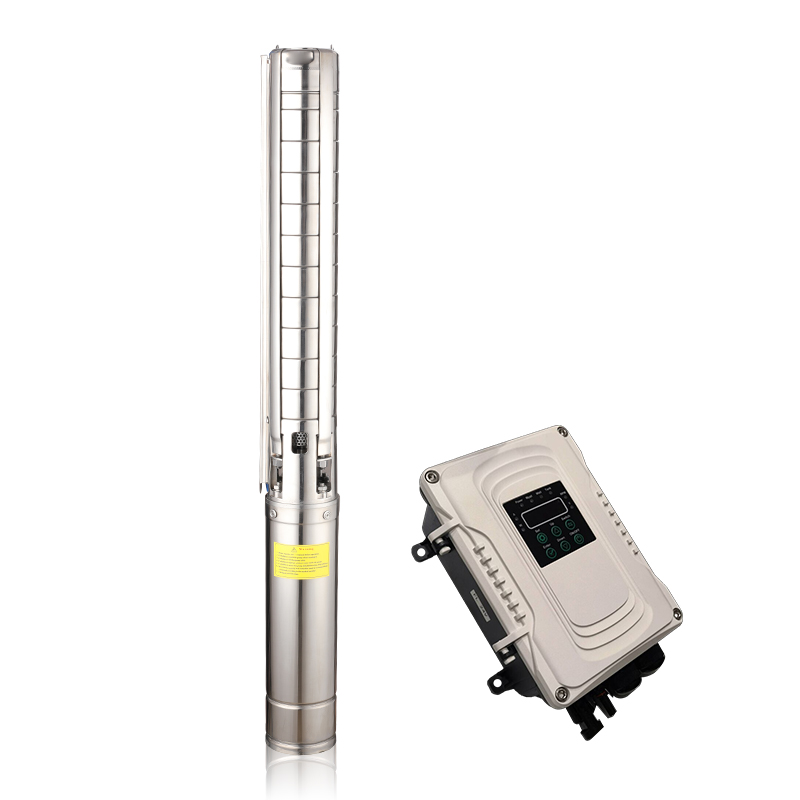
A solar powered water pump uses solar panels to convert sunlight into electricity that drives DC or AC pump motors, supplying water for agriculture, boreholes, livestock, and irrigation. These systems reduce operating costs, support green energy goals, and work well in remote areas where grid access is limited, making them ideal alternatives to diesel pumps and traditional electric pumps.
This article explains how solar water pumps work and what you must know before choosing one.
Do solar water pumps work?
Yes, solar water pumps work reliably and efficiently when designed correctly. They operate by converting sunlight into usable electrical energy through solar panels, which power either DC or AC pumps depending on the system configuration. When sunlight hits the panels, the system generates electricity that drives the motor, pushing water from wells, boreholes, rivers, or storage tanks. This makes them especially useful in rural or off-grid regions where traditional electricity supply is unavailable or unstable.
Solar water pumps are widely used in farms, gardens, livestock watering, and domestic water supply systems. Modern solar borehole pumps are designed to work even in low-light conditions due to MPPT controllers that optimize power generation. They also reduce long-term costs because they require no fuel, have minimal maintenance requirements, and produce no emissions, supporting green energy initiatives. Manufacturers such as borehole pumps manufacture FEILI now offer durable stainless-steel pump options that ensure long service life and consistent performance. With proper system sizing, installation, and sunlight exposure, solar water pumps can deliver the same reliability as conventional pumps while lowering operational costs.
How deep can a 1 hp solar pump draw water from?
A 1 hp solar pump can typically draw water from depths ranging between 150 to 300 feet (45–90 meters), depending on pump type, system design, and water source characteristics. Submersible solar borehole pumps are more efficient at lifting water from deeper levels because their motors are placed directly inside the borehole. Factors like static water level, pipe diameter, and pump flow rate also influence how deep the pump can operate effectively.
If high-lift pumping is required, an optimized solar array size is essential. A 1 hp pump usually needs between 1,000–1,500 watts of solar panels to achieve maximum performance across different sunlight conditions. Leading manufacturers such as borehole pumps manufacture FEILI provide 1 hp deep-well pumps designed specifically for long-distance lifting with high-efficiency motors and corrosion-resistant bodies. When installed correctly and matched with the right solar power configuration, a 1 hp solar pump can deliver strong, reliable performance even in deep wells, making it ideal for agriculture, rural water systems, and livestock applications.
Is a solar water pump AC or DC?
Solar water pumps can be either AC or DC, depending on the model and application. DC solar pumps connect directly to solar panels and are known for high efficiency, simple installation, and strong performance in low-sunlight conditions. These pumps are commonly used in homes, farms, and deep-well systems because they require fewer components and experience less energy loss.
AC solar pumps, on the other hand, run on alternating current through an inverter. The inverter converts the solar panels’ DC output into AC power so the pump can operate like a traditional electric pump. AC solar pumps are preferred when users want to integrate solar power with existing pump systems or when higher power capacity is needed, such as for large-scale irrigation projects. Both AC and DC options support green energy goals by reducing dependence on grid electricity and fossil fuels.
Manufacturers such as borehole pumps manufacture FEILI produce both AC and DC solar borehole pumps, allowing customers to choose the configuration best suited for their water source, depth, and daily water demand.
How many solar panels do I need for a water pump?
The number of solar panels required depends on the pump’s horsepower, voltage, daily runtime, and sunlight conditions. Generally, a small household pump (0.5 hp) may need 600–800 watts of solar panels, while a medium-sized 1 hp pump typically requires 1,000–1,500 watts. Larger agricultural pumps may need 2–4 kW or more.
To calculate accurately, multiply the pump’s operating wattage by the number of hours you want it to run daily, then match this with total solar panel output under your region’s average sunlight hours. Using high-efficiency solar panels ensures consistent performance even in cloudy periods. MPPT controllers also optimize power delivery to the pump and protect it from voltage drops.
Solar borehole systems from borehole pumps manufacture FEILI offer customizable solar arrays that match each pump’s power requirements. Whether for shallow wells, deep boreholes, or farm irrigation, correctly sized solar panels ensure stable performance, long lifespan, and maximum savings through green energy usage.
A properly sized solar pump system delivers reliable, green, and cost-efficient water supply.