Is solar power water pumping useful for agriculture practices?
Rural farmers struggle with unreliable electricity and rising fuel costs, leading to water shortages and reduced crop yields. These issues can devastate farm productivity. Solar-powered pumping provides a stable, long-term solution worth considering. (≈30 words)
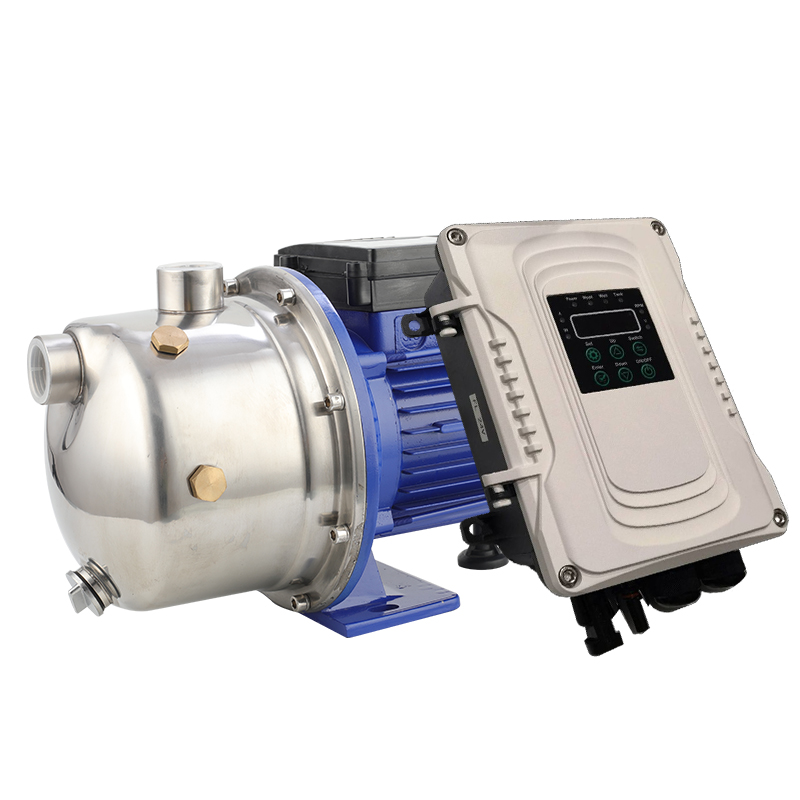
Solar-powered water pumping is useful for agriculture because it provides consistent, low-cost water delivery using Solar panels and controller systems to power Solar submersible pumps or solar surface pumps. It replaces fuel dependence, reduces maintenance costs, and supports efficient irrigation, making it ideal for modern farming needs. (≈60 words)
Before choosing the right system, farmers should understand benefits, limitations, and real agricultural applications to make an informed decision.
What are the disadvantages of solar water pumping system?
Solar water pumping systems offer many benefits, but farmers should also consider their limitations before investing. One drawback is their dependence on sunlight, which means water production decreases on cloudy days or during winter. Farms with large irrigation demands may require oversized Solar panels and controller units, increasing upfront cost. Another disadvantage is that solar water pumps—whether Solar submersible pumps or solar surface pumps—may not deliver the very high flow rates needed for large commercial farms unless properly engineered. Installation also requires enough land or roof space for panels. Finally, while borehole pumps manufacture quality has improved, replacement parts may not be as widely available in remote areas, requiring advance planning.

What is the best water system for agriculture?
The best agricultural water system depends on the farm’s size, irrigation method, and water source availability. For deep wells, Solar submersible pumps are often the most reliable because they can lift water from significant depths with stable power from Solar panels and controller setups. For shallow water sources like rivers or ponds, solar surface pumps offer excellent efficiency and lower installation cost. Drip irrigation remains the most water-efficient method, especially when paired with solar pumps, as it reduces evaporation and ensures precise water delivery. Farms with boreholes benefit from durable systems provided by reputable borehole pumps manufacture companies, ensuring long service life. Ultimately, the best system is one that matches water demand, energy availability, and long-term maintenance requirements.
Can solar water pumps be used for irrigation?
Yes, solar water pumps are highly suitable for irrigation across various farm sizes. They can power drip systems, sprinklers, furrow irrigation, and even pivot systems when engineered correctly. Solar submersible pumps are ideal for deep wells, providing continuous water lifting without fuel. Solar surface pumps, on the other hand, are excellent for river or canal-fed irrigation. With Solar panels and controller units regulating power supply, these pumps deliver steady water flow during daylight hours—when crop water demand is highest. Modern systems can store excess water in elevated tanks, allowing gravity-fed irrigation even after sunset. This flexibility makes solar pumps a practical and sustainable choice for daily agricultural irrigation cycles.
How do solar pumps help farmers?
Solar pumps provide multiple advantages that directly support farming productivity. First, they eliminate dependency on expensive diesel fuel, significantly lowering operating costs. Farmers gain predictable water supply powered by Solar panels and controller units, improving crop health and increasing yields. Solar submersible pumps reduce manual labor associated with deep-well extraction, while solar surface pumps simplify water transfer from rivers or ponds. Because they have fewer moving parts, solar pumps require minimal maintenance, saving time and money. Access to reliable water also enables farmers to expand production, introduce new crops, and manage drought conditions more effectively. Over time, solar pumping systems help farmers achieve higher income and long-term agricultural stability.
Solar-powered agricultural pumping offers sustainable water access and long-term cost savings for farmers seeking dependable irrigation solutions.