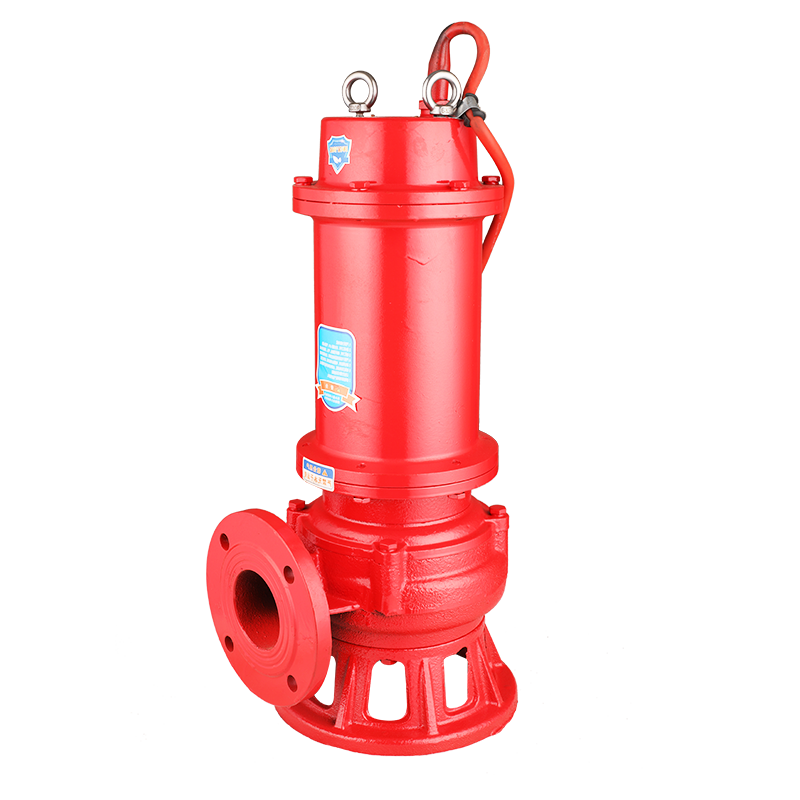
Water scarcity cripples desert projects, halting agriculture and communities; without reliable water supply, investments fail—drilling wells with the right water pump technology offers a proven solution.
Yes, it is possible to drill for water in desert areas by accessing underground aquifers using professional well drilling methods, geological surveys, and reliable water pump systems. With the right equipment and planning, deserts can achieve stable water supply for agriculture, industry, and human use.
This article explains how desert water access works and which solutions are most reliable for long-term success.
Is it possible to drill for water in the desert?
Yes, it is absolutely possible to drill for water in the desert, and it has been done successfully for centuries. Beneath many desert regions lie underground aquifers—natural reservoirs of water stored in porous rock and sand. These aquifers are often recharged over thousands of years by rainfall from distant mountains or ancient climatic cycles. Modern hydrogeological surveys, satellite imaging, and test drilling allow engineers to locate these water sources with high accuracy.
Once groundwater is confirmed, drilling rigs create deep wells, sometimes hundreds of meters below the surface. A high-quality well pump is then installed to lift water efficiently to the surface. In desert environments, pump durability and efficiency are critical due to harsh temperatures, sand, and continuous operation. Selecting the correct water pump ensures stable water supply for farming, livestock, residential use, or industrial operations. For B2B buyers and distributors, proven drilling feasibility combined with reliable pump systems transforms desert water access from a risk into a scalable opportunity.

How do desert people get the underground water?
Desert communities rely on a combination of traditional knowledge and modern technology to access underground water. Historically, people used hand-dug wells, qanat systems, or shallow boreholes to reach groundwater. These methods depended heavily on local experience and natural indicators such as vegetation patterns or terrain depressions. While effective on a small scale, they often lacked consistency and volume.
Today, desert water supply systems are far more advanced. Hydrogeologists use seismic surveys and satellite data to identify aquifers, followed by mechanized drilling. Once the well is completed, a submersible well pump or deep well pump is installed to transport water to storage tanks or irrigation systems. Solar-powered water pumps are increasingly popular in remote desert areas, reducing reliance on fuel and lowering operating costs. For water pump wholesalers and project contractors, these modern systems provide long-term reliability, improved flow rates, and easier maintenance—key factors in sustainable desert development.
What is the best way to get water in a desert?
The best way to get water in a desert is through a combination of deep well drilling and efficient pumping systems designed specifically for harsh environments. While alternatives like water transportation, desalination, or rainwater harvesting exist, they are often costly, unstable, or limited in scale. Groundwater extraction remains the most practical and widely adopted solution for long-term desert water supply.
A professionally drilled well paired with a high-efficiency water pump ensures continuous access to clean water. Choosing the right pump—whether a deep well pump, centrifugal pump, or solar water pump—depends on water depth, required flow rate, and energy availability. For large-scale applications such as agriculture or community water systems, durability and after-sales support are essential. Reliable pump manufacturers help minimize downtime, reduce maintenance costs, and ensure consistent performance. For B2B buyers operating in deserts, investing in quality water pump solutions is not just about water access—it’s about securing project success and long-term profitability.
Reliable drilling and the right water pump technology make sustainable desert water supply achievable and economically viable.