How to choose a borehole pump for your home?
Weak water pressure and unreliable supply frustrate daily life; choosing the wrong pump can cause system failure and costly repairs. The right borehole pump prevents these risks—here’s how to choose it.
A borehole pump should match your water depth, flow demand, pressure needs, and power source. Understanding borehole pumps—including submersible borehole pumps, surface pumps, and solar borehole pumps—helps homeowners select the safest and most efficient solution for long-term water supply.
Let’s explore the key factors that ensure you choose the best pump for your home.
Choosing the Right Borehole Pump for Groundwater Supply
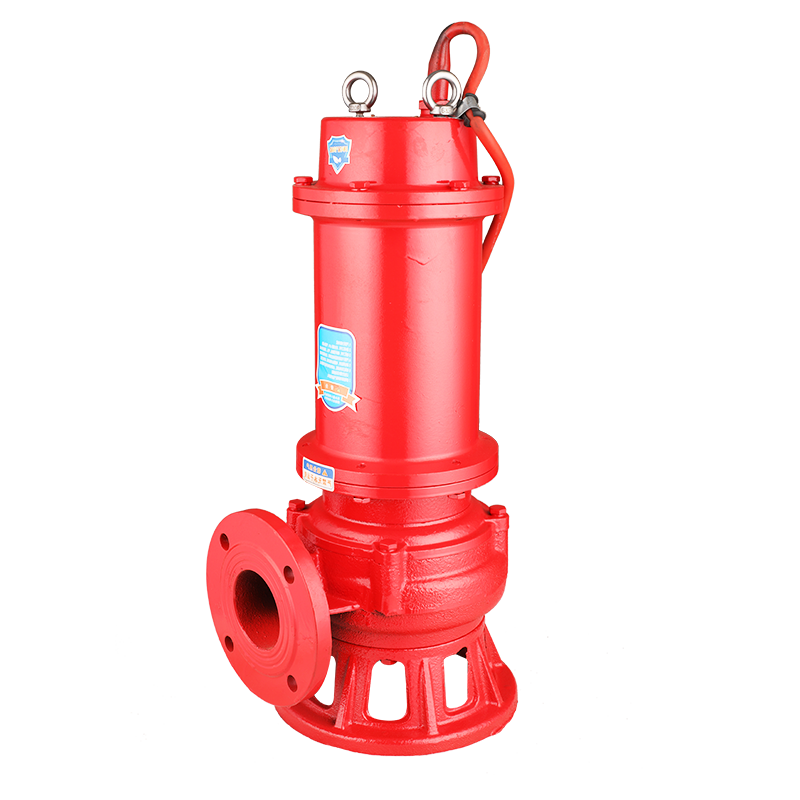
Selecting the right borehole pumps for reliable groundwater supply begins with understanding three essential factors: borehole depth, water yield, and household demand. A submersible borehole pump is the most common choice for deep wells because it operates underwater, providing stable pressure without priming.
Start by confirming your static and dynamic water levels. This determines the pump head you need. If the water level drops during pumping, you must choose a borehole water pump capable of maintaining adequate pressure even at the lowest point. Flow rate is another priority—homes typically require 20–60 liters per minute depending on family size and appliance usage.
Construction materials matter too. Stainless-steel pumps resist corrosion and sand abrasion, significantly extending service life. High-quality submersible borehole pumps from reliable manufacturers ensure steady performance, especially for harsh environments in Africa, Southeast Asia, or the Middle East.
For wholesalers and B2B distributors, selecting pumps with stable pricing, consistent quality, and strong after-sales support reduces customer complaints and long-term replacement costs. In a competitive market, dependable pump performance is the key to retaining end users and protecting your brand reputation.
How to Choose the Best Borehole Water Pump and Solar Kits
Homeowners seeking low operating costs or living in areas with unstable electricity increasingly prefer solar borehole pump systems. Selecting the right pump and solar kit requires analyzing daily water usage and sunlight availability. A solar borehole pump is most effective when paired with a properly sized solar array and controller that match the pump’s voltage and wattage requirements.
Begin by calculating total daily water demand—irrigation, livestock, home use, and storage tank filling. Higher flow demands require stronger solar panels and controllers. Your borehole depth also affects pump selection; deeper boreholes require higher head and rated power. Oversizing the solar panels by 20–30% ensures stable performance during cloudy weather.
Solar borehole pumps are typically DC submersible pumps, known for high efficiency and long lifespan. When choosing kits, ensure that the controller has protections for dry-run, overvoltage, and sand content—this prevents unexpected failures.
For B2B buyers, solar pump systems offer excellent profit margins, especially in regions where grid expansion is slow. Offering complete solar kits simplifies logistics, reduces after-sales problems, and increases customer trust. With rising global interest in sustainable solutions, reliable solar borehole pumps create strong long-term business opportunities.
How to Choose the Right Surface Borehole Pump for Your Needs?
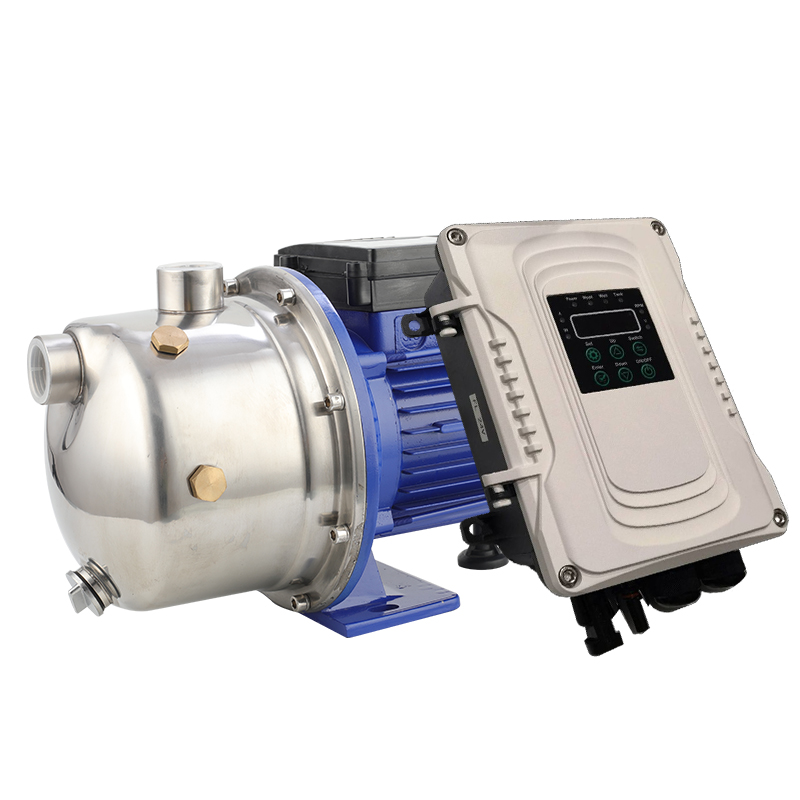
A surface borehole pump is suitable only when the groundwater level is shallow, typically not deeper than 8–9 meters. Unlike a submersible borehole pump, a surface pump stays above ground and draws water through suction, making it easier to install and maintain. For households with shallow wells, rainwater tanks, or booster systems, surface pumps are cost-effective and convenient.
When choosing a surface borehole pump, check the suction lift, pressure capability, noise level, and priming method. Self-priming pumps are recommended because they prevent common startup failures. If the water source fluctuates, adding a foot valve or check valve improves system reliability.
Housing material is another important factor. Cast iron or stainless steel pump bodies withstand harsh weather and reduce long-term maintenance needs. Pumps with thermal protection and high-efficiency motors deliver safer operation and lower electricity costs.
For distributors, surface pumps sell well due to their universal use in residential pressure boosting. They ship easily, require fewer accessories, and have fast turnover rates. However, for deep-well applications, always recommend a submersible borehole pump to avoid cavitation, burnout, or customer dissatisfaction.