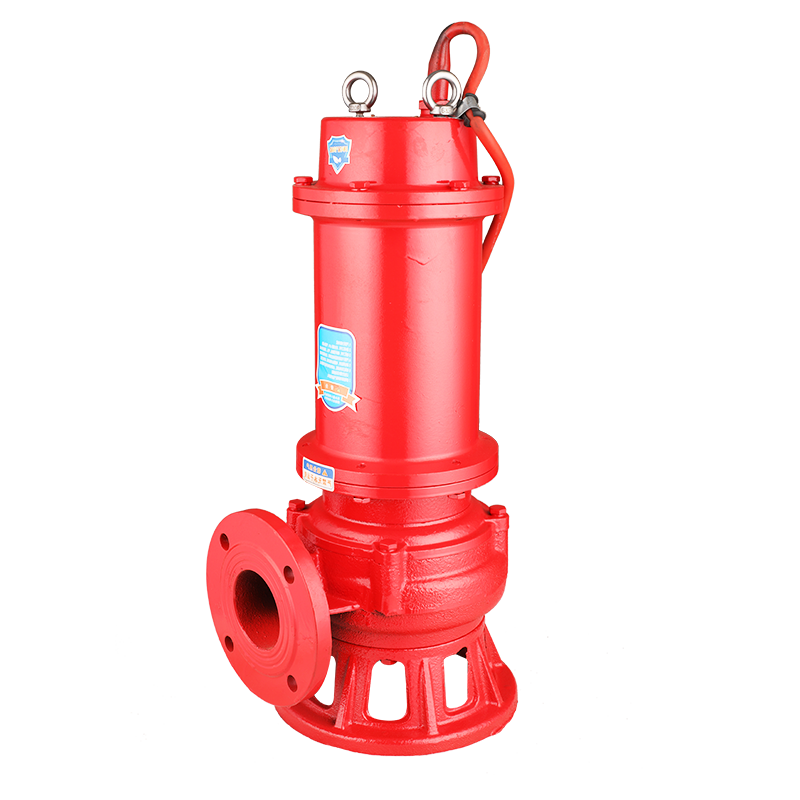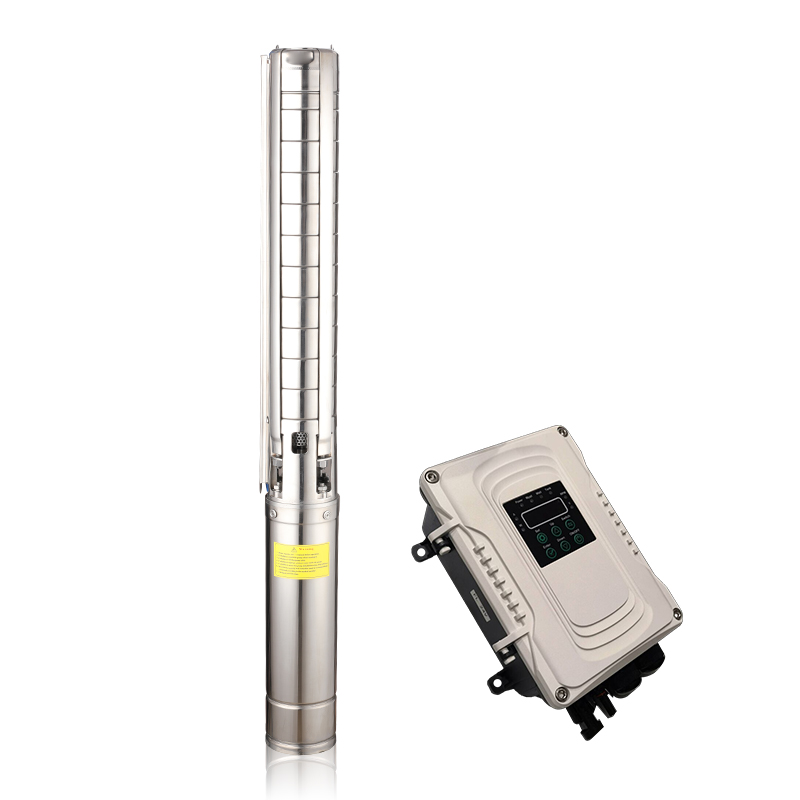

A neglected borehole can cause pump failure, dirty water, and high repair costs—regular flushing keeps your water system efficient and safe.
A borehole should be flushed and serviced at least once every 12 months to maintain clean water flow, protect the water pump, and extend pump function. Regular maintenance prevents sediment buildup, corrosion, and blockages that affect the watering method and borehole performance.
Keep reading to discover how proper borehole flushing ensures long-lasting, clean, and reliable water for every application.
Is It Necessary to Flush a Borehole?
Yes, flushing a borehole is necessary to keep your water supply system running efficiently. Over time, boreholes accumulate sediment, silt, iron deposits, and biological matter that clog the pipes and reduce water flow. This buildup can strain the water pump, reducing its function and shortening its lifespan. Regular borehole flushing removes these impurities and ensures the water pump operates at its designed capacity.
Without flushing, the borehole’s performance deteriorates. Reduced flow rates and pressure can affect your watering method, especially for irrigation or industrial use. Moreover, stagnant debris can lead to bacterial contamination, creating water quality issues that affect both domestic and agricultural applications. By scheduling regular borehole flushing, you maintain consistent water quality and protect your investment in the pump system.
A properly flushed borehole also reduces energy consumption. A clean system allows the pump to work more efficiently, drawing water with less resistance. In short, flushing is not just necessary—it’s an essential step in maintaining reliable water access and cost-effective operation.
How Often Should a Borehole Be Serviced?
The frequency of borehole servicing depends on several factors—water quality, soil conditions, and usage patterns. Generally, experts recommend a full service and flushing at least once every 12 months. For boreholes in high-iron or sandy areas, maintenance should occur every 6 months to prevent blockages and maintain pump efficiency.
Regular servicing includes inspecting the water pump, checking electrical connections, measuring flow rates, and performing borehole flushing to remove any sediment buildup. This ensures your pump function remains stable and efficient throughout the year. Ignoring this schedule can result in performance loss, higher electricity consumption, and premature pump wear.
Borehole maintenance is similar to maintaining industrial equipment—consistent care leads to long-term savings. In agricultural applications, where a steady watering method is vital, servicing ensures there is no disruption during peak irrigation seasons. For industrial or domestic systems, it ensures consistent pressure and clean water delivery.
In summary, borehole servicing should be treated as a regular operational expense rather than an emergency repair measure. The small investment in preventive maintenance helps avoid costly pump replacements and ensures the reliability of your water source.
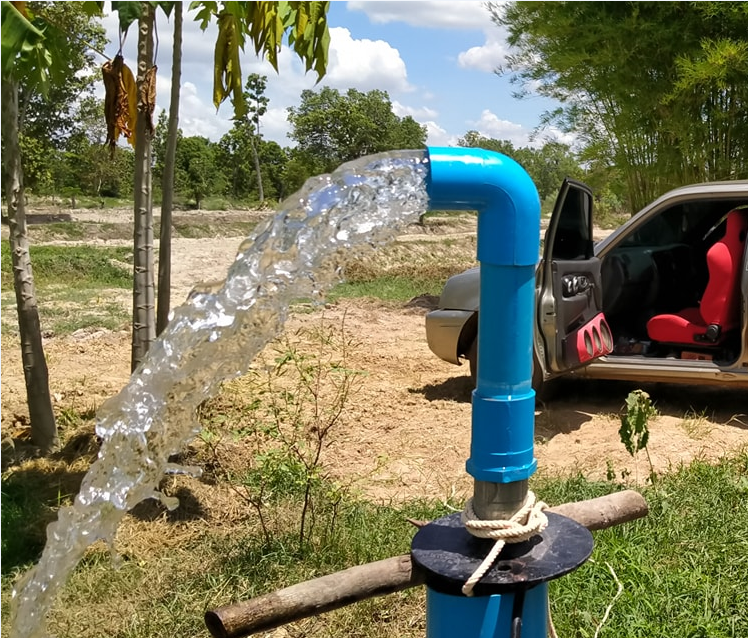
How to Keep Borehole Water Clean?
Keeping borehole water clean starts with proper system management. The most effective method is regular borehole flushing to clear sediments and biological growth. Using a well-designed water pump that matches your borehole’s capacity is equally important—the wrong pump function can disturb sediments and cause contamination.
A good watering method should include scheduled flushing, routine inspection, and timely replacement of worn-out pump components. Ensure the borehole head is properly sealed to prevent surface water or contaminants from entering. Test water quality every few months to monitor pH levels, iron content, and bacterial presence.
Installing filtration systems or chlorination units can also improve borehole water purity. However, mechanical maintenance remains the foundation of clean water supply. When a borehole is left unflushed, fine particles accumulate in the casing, reducing flow rate and increasing the risk of bacterial slime formation.
Partnering with professional service providers ensures that borehole flushing and pump inspection are done correctly. Technicians can check pump function, detect early signs of corrosion, and recommend the best watering method for your specific needs. With consistent maintenance, your borehole can deliver clean, clear water for years.
Regular borehole flushing ensures clean water, efficient pump function, and long-term reliability.