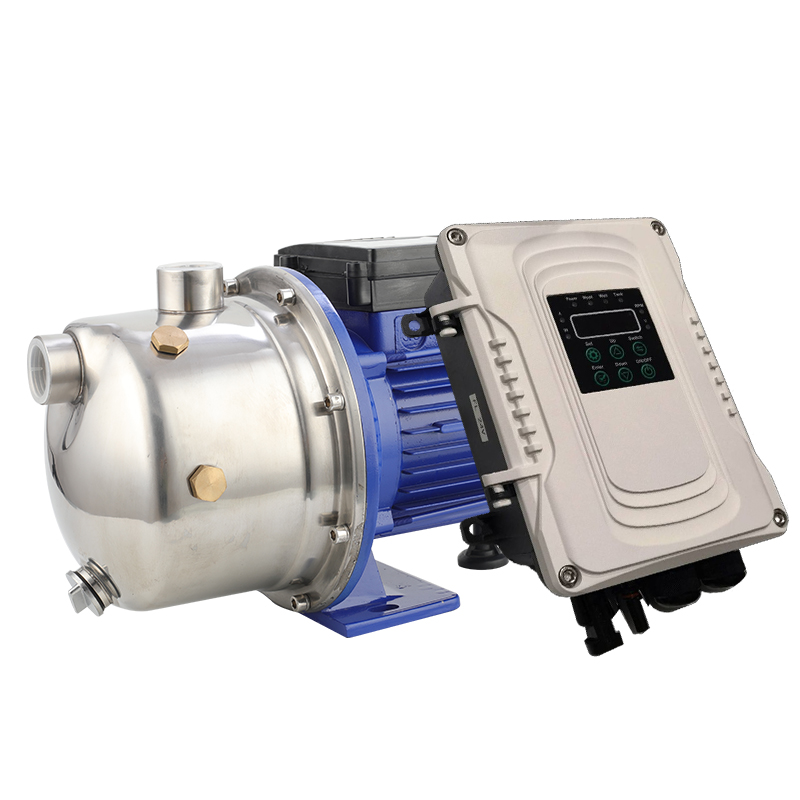
Rising electricity costs strain farmers’ profits. Continuous use of grid power or diesel pumps worsens financial pressure. Switching to solar water pumps offers a stable, low-cost, and eco-friendly solution.
Solar pumping reduces energy costs for farmers by replacing electricity or diesel-powered systems with solar energy. Solar pumps use solar panels to generate free, renewable power, helping farmers save money on utility bills while ensuring sustainable irrigation throughout the year.
Let’s explore how solar energy transforms farm operations and helps farmers achieve lasting cost savings.
How Does Solar Energy Reduce Costs?
Solar energy reduces costs by eliminating or significantly cutting electricity and fuel expenses associated with conventional water pumps. Traditional irrigation systems depend on grid power or diesel generators, both of which are becoming increasingly expensive due to global energy price fluctuations. In contrast, solar panels harness sunlight—a free and renewable resource—to power solar water pumps. Once installed, these systems have minimal operational costs since they don’t require fuel or constant maintenance. Over time, farmers recoup their initial investment through energy savings and lower maintenance costs. Additionally, many governments and development agencies offer subsidies for solar pump installation, further reducing upfront expenses. As a result, farmers can save money while achieving energy independence and protecting themselves from unpredictable fuel price changes.
How Can Solar Power Help the Farming Industry?
Solar power is transforming the farming industry by providing reliable, clean, and affordable energy for irrigation, livestock watering, and crop production. In remote rural areas where grid electricity is unavailable or unstable, solar pumps enable consistent water supply without depending on costly diesel or unreliable power lines. This energy independence allows farmers to plan their irrigation schedules efficiently and increase crop yields. Solar-powered systems also align with global sustainability trends, helping farms reduce carbon emissions and qualify for green certifications or government incentives. Furthermore, solar energy supports rural development by creating local jobs in installation, maintenance, and manufacturing of solar systems. By integrating solar panels into their operations, farmers gain long-term stability, lower energy costs, and improved productivity—key factors for competitiveness in modern agriculture.
What Are the Benefits of a Solar Water Pumping System?
Solar water pumping systems offer numerous benefits beyond energy savings. First, they operate on renewable solar energy, which drastically cuts electricity bills and eliminates dependency on fossil fuels. Second, they are low-maintenance and have a long service life—solar panels typically last over 20 years, providing consistent performance with minimal upkeep. Third, solar pumps are highly versatile, suitable for irrigation, livestock, fish farming, and domestic water supply. They are also quiet, environmentally friendly, and reliable, even in off-grid or drought-prone regions. Another major benefit is cost stability: since sunlight is free, farmers can predict and control their operational expenses. Moreover, many suppliers, such as CTT, design solar pumps optimized for rural applications—ensuring durability, efficiency, and excellent after-sales support. These combined advantages make solar water pump systems a smart, future-proof investment for any farm.
How Much Does Solar Reduce the Power Bill?
The amount solar systems can reduce a farmer’s power bill depends on the pump capacity, water needs, and sunlight availability. On average, switching to a solar water pump can cut energy costs by 60–90% compared with diesel or electric pumps. Once installed, solar panels generate free power daily, so there’s no recurring fuel or electricity expense. Farmers who previously relied on grid connections also save on demand charges and transmission losses. Although the initial setup may seem expensive, most solar systems pay for themselves within 2–4 years, after which the energy is essentially free. Over a 20-year lifespan, a farmer could save thousands of dollars in electricity and fuel costs. With the combination of financial savings, sustainability, and reliability, solar pumping is one of the most effective ways for farmers to lower their energy bills and improve long-term profitability.
Summary:
Solar pumping empowers farmers to save money, achieve energy independence, and ensure sustainable, cost-efficient irrigation.