Can I use an irrigation pump as a pool pump?
Wrong pump choices waste energy, damage systems, and shorten equipment life. Using an irrigation pump as a pool pump can cause poor filtration, unsafe water, and costly repairs. Understanding pump differences helps you choose the right solution and protect your investment.
You generally should not use an irrigation pump as a pool pump. Pool pumps are designed for continuous circulation, filtration, and water clarity, while irrigation pumps focus on high flow or pressure for sprinklers. Using the wrong pump can lead to inefficiency, water quality problems, and equipment damage. Choosing a purpose-built pump or suitable alternative ensures safety, performance, and long-term reliability.
To make the right decision for your application, let’s explore pump alternatives, cross-usage possibilities, and the key technical differences step by step.
What can I use instead of a pool pump?
If a standard pool pump is unavailable or impractical, there are several alternatives—but each must match pool-specific requirements. A pool system needs steady flow, moderate pressure, compatibility with filters, and long operating hours. Some centrifugal pumps can work if they are designed for clean water circulation and continuous duty. In certain scenarios, variable-speed centrifugal pumps used in industrial or commercial water circulation may substitute for a pool pump, provided flow rates and head are carefully calculated.
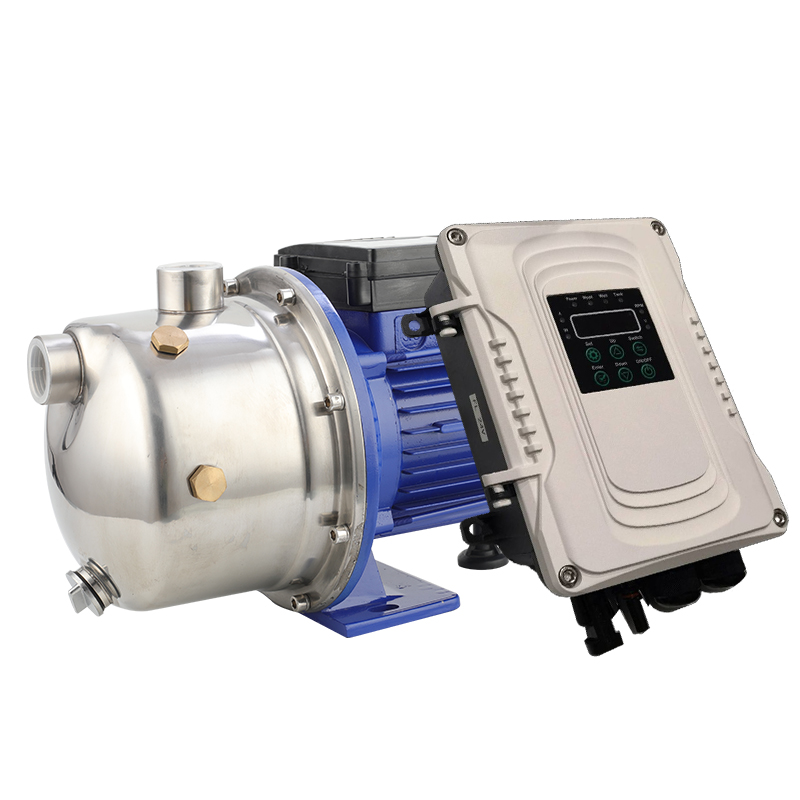
For locations with unstable power supply or high electricity costs, solar water pumps are increasingly considered. When paired with proper controllers and filtration systems, solar-powered centrifugal pumps can support pool circulation, especially in resorts or remote facilities. However, they must be engineered for clean water, not sediment-heavy sources.
It is important to note that borehole water pump, submersible borehole pump, or other borehole pumps manufacture products are designed for water extraction, not filtration circulation. They can fill pools but are unsuitable for daily pool operation. For B2B buyers, selecting a pump supplier who understands application matching is critical to avoid after-sale disputes and system failure.
Can a pool pump be used for irrigation?
Using a pool pump for irrigation is technically possible in limited cases, but it is rarely ideal. Pool pumps are optimized for low to medium pressure and continuous flow, which suits filtration systems but not wide irrigation networks or sprinkler heads that require higher pressure. When connected to irrigation lines, a pool pump may struggle to provide uniform coverage, especially across large areas.
Another concern is durability. Pool pumps typically operate with clean, chemically treated water, while irrigation often involves raw water sources, sometimes pumped from wells, rivers, or storage tanks. Sediment and debris can quickly wear seals and impellers. This is why borehole water pump or submersible borehole pump solutions are preferred in agricultural or landscape irrigation.
From a commercial perspective, distributors should clearly separate product positioning. Selling a pool pump as an irrigation solution can lead to customer complaints, warranty claims, and reputational risk. A professional pump portfolio usually includes pool pumps, irrigation pumps, and even solar water pumps for eco-focused projects—each targeting a specific use case.
What is the difference between a pool pump and a sprinkler pump?
The main difference lies in design purpose, pressure characteristics, and operating conditions. A pool pump is designed to move water continuously through filters, heaters, and chlorination systems. It emphasizes energy efficiency, quiet operation, and compatibility with filtration equipment. Flow consistency is more important than high pressure.
A sprinkler or irrigation pump, by contrast, focuses on delivering higher pressure to overcome elevation, pipe losses, and sprinkler resistance. These pumps are often used intermittently and may handle water with minor impurities. Many are paired with well systems, including borehole water pump and submersible borehole pump installations.
Structurally, irrigation pumps may have stronger casings and impellers to tolerate variable conditions, while pool pumps use corrosion-resistant materials for chemically treated water. For buyers sourcing from borehole pumps manufacture factories, it’s essential to clarify whether the pump is intended for circulation or delivery. Confusing these categories often results in inefficiency, noise issues, and shortened service life.
Can you use any pump for a pool?
The short answer is no—you cannot use just any pump for a pool without risks. Pools require precise hydraulic balance. The pump must match the pool volume, filter size, and pipe diameter. Using an oversized pump increases energy consumption and damages filters, while an undersized one leads to poor water clarity and hygiene issues.
Some buyers attempt to use irrigation pumps, well pumps, or even submersible borehole pump units directly in pools. These pumps are not designed for constant circulation or chemical exposure. They may overheat, leak, or fail prematurely. While a borehole water pump is excellent for filling a pool quickly, it should not replace a dedicated pool pump.
For commercial projects, hotels, or distributors, the safest approach is to work with manufacturers offering a full pump range—pool pumps, centrifugal pumps, irrigation pumps, and solar water pumps—with clear technical documentation. Reliable borehole pumps manufacture partners also help ensure that each pump is used in its correct scenario, reducing after-sale problems and strengthening long-term business relationships.
Conclusion
So, can you use an irrigation pump as a pool pump? In most cases, the answer is no. While pumps may look similar, their internal design and application goals are very different. Choosing the right pump protects water quality, reduces operating costs, and avoids unnecessary failures. For B2B buyers and distributors, correct pump selection is not just a technical decision—it’s a business advantage.