
Incorrect float switch wiring can cause pump failure, flooding, or motor burnout. These mistakes increase downtime and losses. Understanding correct water pump operation prevents costly installation errors.
Yes, a person can connect a float switch directly to a water pump in many applications. A float switch is designed to automatically control pump operation based on water level. Correct wiring, voltage matching, and following the proper water pump wiring diagram are essential for safe operation.
To connect a float switch correctly, you must first understand how it controls a water pump.
Can a float switch control a pump?
Yes, a float switch can effectively control a water pump, and it is one of the most common control methods for automatic water pump operation. A float switch works by detecting liquid levels and opening or closing an electrical circuit when the water reaches a preset height. When the water level rises or falls, the float moves accordingly, sending a signal to start or stop the pump.
Float switches are widely used with submersible pumps, utility pumps, effluent pumps, and sump pumps. In these systems, the float switch acts as the main control device, replacing manual operation and preventing dry running or overflow. From a functional standpoint, the float switch is both a control and a protection component.
For B2B buyers and distributors, float switches are critical water pump accessories that improve reliability and reduce labor costs. When correctly matched to pump voltage and current ratings, a float switch ensures stable water pump operation, extends pump lifespan, and minimizes failure caused by human error. However, not all float switches are suitable for direct connection, which makes proper selection and wiring essential.
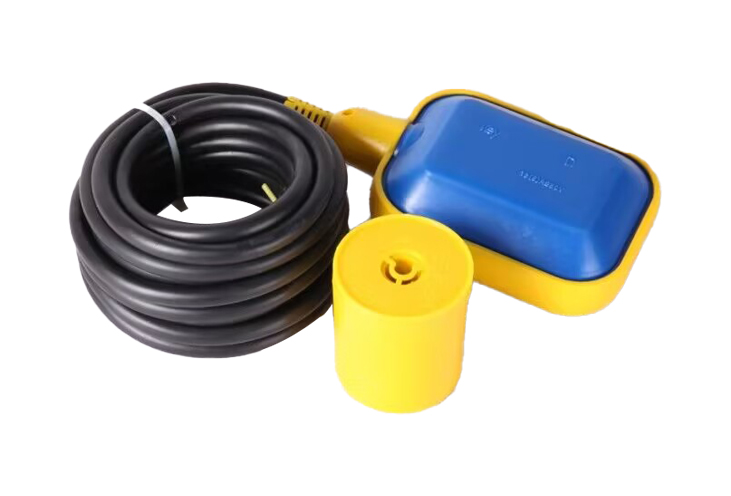
How to connect a float switch to a pump?
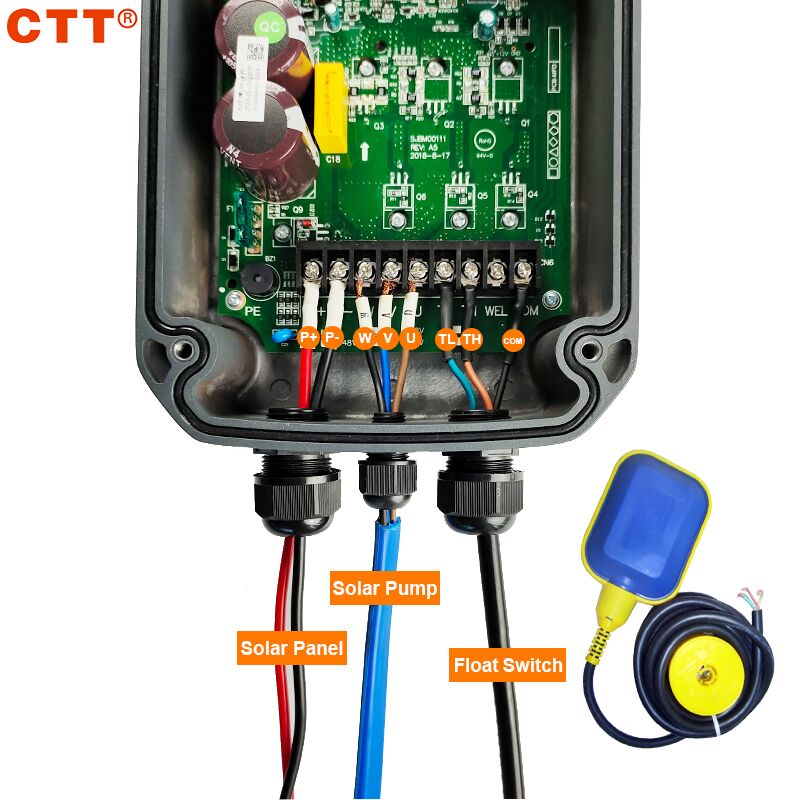
Connecting a float switch to a water pump requires careful attention to electrical specifications and the correct water pump wiring diagram. In most standard applications, the float switch is wired in series with the power supply, meaning it controls the flow of electricity to the pump motor. When the float switch closes, power reaches the pump and it starts running; when it opens, the pump stops.
The first step is confirming voltage compatibility. The float switch must match the pump’s voltage (for example, 110V, 220V, or 380V). Next, check the current rating. If the pump draws more current than the float switch can handle, a contactor or relay must be added to protect the switch from damage.
In a typical wiring diagram, one power line passes through the float switch before reaching the pump. For submersible water pumps, the float switch cable is often factory-sealed for waterproofing. Improper wiring can cause short circuits, unstable water pump operation, or motor failure. For professional installations, especially in commercial or industrial systems, following the manufacturer’s wiring diagram is mandatory to ensure safety, compliance, and long-term reliability.
Can you run a water pump without a pressure switch?
Yes, a water pump can run without a pressure switch, but whether it should depends on the application. Pressure switches and float switches serve different purposes in water pump operation. A pressure switch controls the pump based on system pressure, while a float switch controls it based on water level.
In applications such as sump pits, drainage systems, sewage tanks, or effluent pumping, a float switch alone is often sufficient. In these cases, the water pump does not need to maintain constant pressure; it only needs to start and stop based on liquid level. Therefore, running without a pressure switch is normal and safe when a float switch is correctly installed.
However, for well systems or pressurized water supply systems, operating without a pressure switch can be dangerous. Without pressure regulation, the pump may run continuously, causing overheating, pipe damage, and motor burnout. For B2B buyers, understanding this distinction is critical when selecting water pump accessories. Matching the correct control device—float switch or pressure switch—to the application ensures safe, efficient, and long-lasting water pump operation.
A float switch can directly control a water pump when wired correctly, ensuring safe, automatic operation without unnecessary pressure control.


