Can a 100-watt solar panel run a 150-watt water pump?
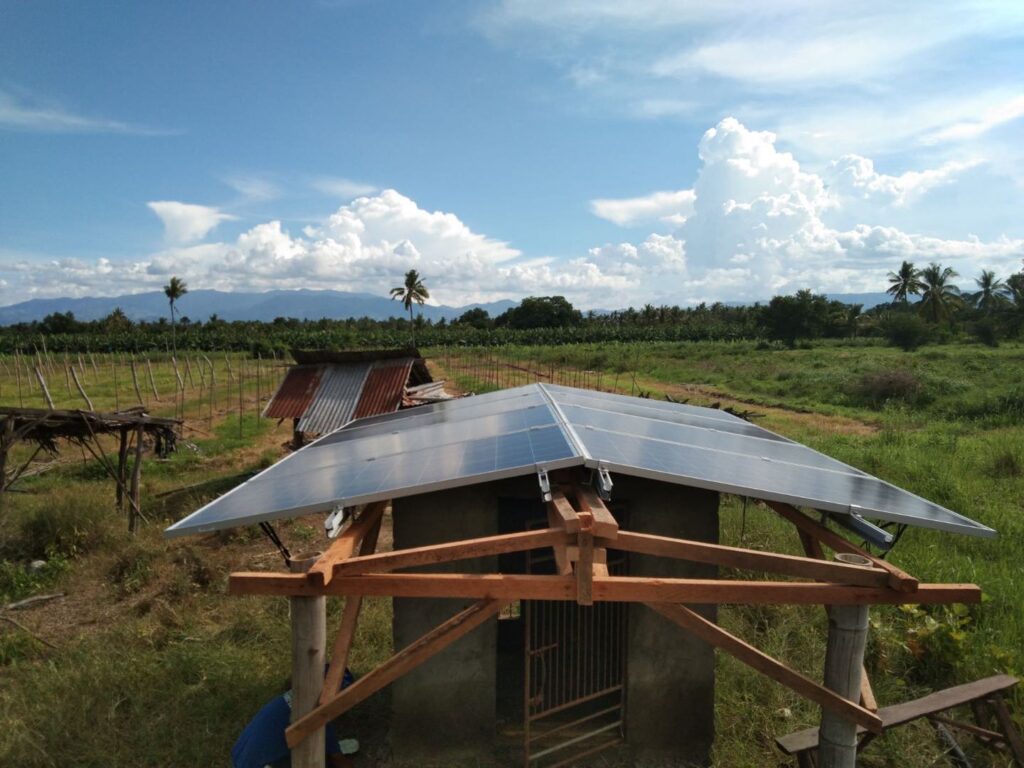
When solar panels underperform, pumps stall, projects fail, and costs rise—choosing the right panel-power match solves this problem.
**A 100-watt solar panel cannot reliably run a 150-watt water pump. The pump requires more power than the panel produces. To avoid failures, pair pumps with correctly sized solar arrays, guided by professional calculations.**
Let’s explore why panel size matters and how to match it with your pump.
—
## How much power can a 100-watt solar panel produce?
A 100-watt solar panel, under ideal conditions, generates about 100 watts of electricity per hour in direct sunlight. However, in real-world conditions, efficiency drops due to shading, heat, and panel angle. On average, a 100-watt panel produces 70–80 watts of usable power. This means it delivers around 300–500 watt-hours of energy daily, depending on sun hours.
For a 150-watt solar water pump, this output is insufficient. A pump draws continuous power when operating, and if the solar input cannot meet the demand, the pump will either run intermittently or fail altogether. This mismatch not only causes inconsistent water supply but also risks damaging the pump motor.
Distributors sourcing from a solar water pump factory or working with a solar water pump supplier must understand these limits. Offering customers a 150-watt solar water pump paired with an undersized panel could lead to dissatisfaction and warranty claims. By contrast, providing accurate guidance enhances credibility and repeat sales.
—
## What is the 33% rule in solar panels?
The “33% rule” is a guideline used in solar system design. It states that you should oversize your solar array by at least 33% compared to the device’s rated power. Why? Because solar panels rarely operate at 100% of their rated capacity. Factors such as dust, heat, wire losses, and changing sunlight angles reduce efficiency significantly.
For example, if a 150-watt solar water pump requires continuous 150 watts, you should plan for at least 200 watts of solar panels (150 × 1.33 ≈ 200). This ensures that even during less-than-ideal conditions, the pump runs smoothly without interruptions.
Ignoring this rule often results in pumps shutting down during cloudy weather or peak demand. For B2B buyers, particularly pump wholesalers and distributors, promoting the 33% rule builds customer trust. Partnering with a reliable solar water pump supplier allows you to offer systems that deliver dependable performance, not just theoretical efficiency. When customers see consistent water flow, they return for repeat purchases.
—
## How many watts of solar panels do I need to run a water pump?
To determine the correct solar panel size for a water pump, you must consider three key factors: pump wattage, run time, and sunlight hours. For a 150-watt solar water pump, one 100-watt panel is inadequate, as it produces less power than the pump consumes. Instead, at least two 100-watt panels—or one 200-watt panel—are required.
Let’s break this down. If the pump needs 150 watts per hour, and the sun provides an average of 5 peak hours daily, the total energy required is 750 watt-hours (150 × 5). A single 100-watt panel only produces about 400 watt-hours, which is nearly half of what’s needed. Adding multiple panels ensures consistent operation and prevents pump damage caused by underpowering.
For distributors sourcing from a solar water pump factory, this calculation is essential. It prevents mismatched sales and protects business reputation. Wholesalers should educate end-users on pairing a 150-watt solar water pump with sufficient solar panels. Clear communication not only reduces returns but also positions you as a trusted solar water pump supplier in competitive markets.
—
Correct panel sizing ensures your 150-watt solar water pump runs reliably every day.