Are You Choosing the Wrong Solar Water Pump for Your Water Supply Needs?
Choosing the wrong solar water pump leads to weak water flow, crop loss, rising costs, and system failure—but selecting the right surface pump or submersible borehole pump solves these problems efficiently.
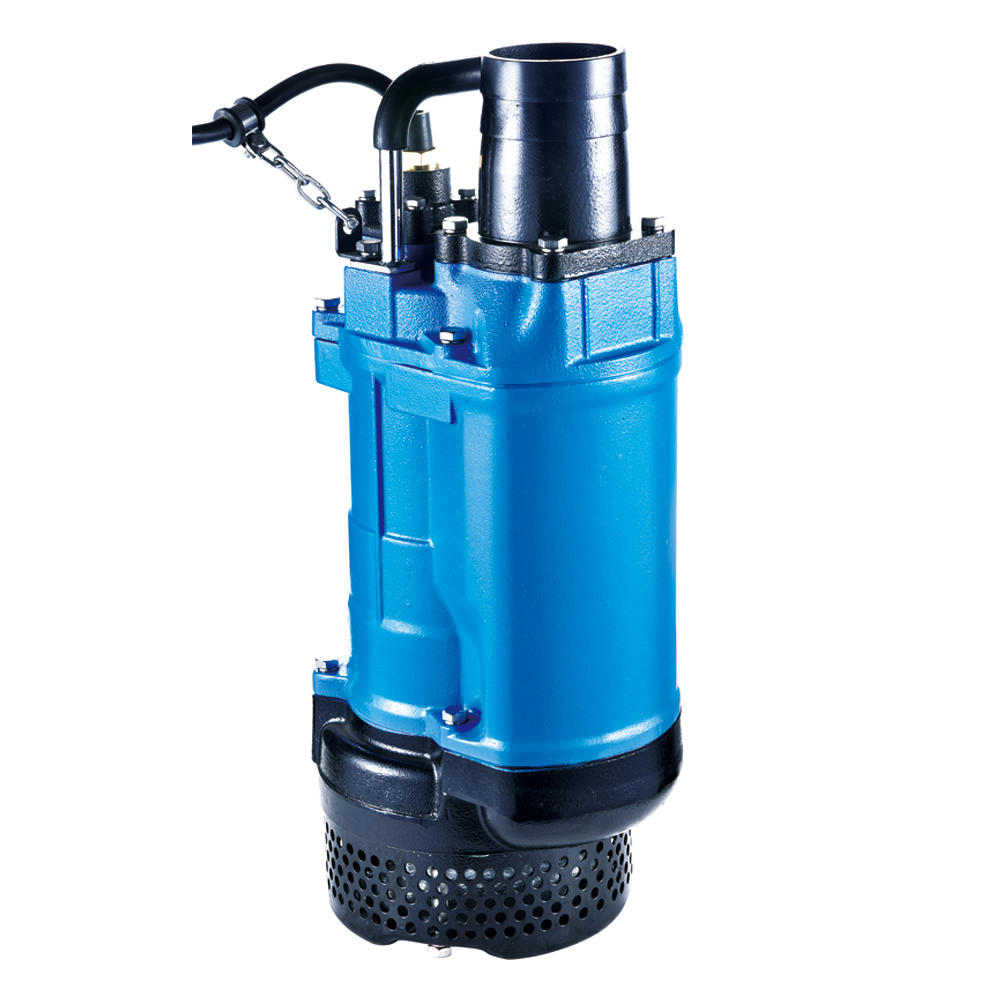
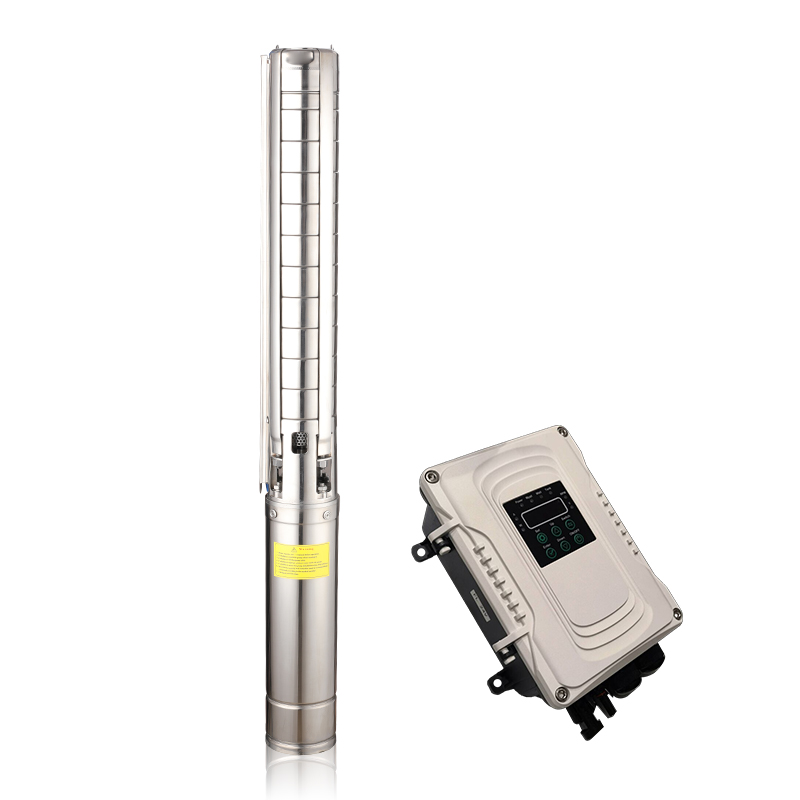
A solar water pump is a system that uses solar energy to drive a surface pump or submersible borehole pump for water extraction without grid electricity. It is widely used in agriculture, livestock watering, and remote water supply projects. High-efficiency models from manufacturers such as Feili Pump Co., Ltd. combine durability, low operating costs, and stable performance in off-grid environments.
Understanding how all solar water pumps work—and their limitations—helps you avoid costly mistakes and choose a system that delivers reliable, long-term performance.
What are the disadvantages of a solar water pump?
While a solar water pump offers many benefits, it is not without drawbacks. One major disadvantage is the high initial investment. Compared with diesel or AC-powered pumps, a solar water pump system requires upfront spending on solar panels, controllers, and mounting structures. For many small farmers, this cost barrier delays adoption even though long-term savings are significant.
Another limitation is weather dependency. A surface pump or submersible borehole pump running on solar energy relies heavily on sunlight. On cloudy days, rainy seasons, or in regions with limited solar radiation, water output can drop noticeably. Although battery storage helps, it increases system cost and complexity.
Flow rate limitations also affect some solar water pump setups. Compared to powerful grid-connected pumps, smaller solar pumps may struggle with high-demand irrigation or deep-well applications. Incorrect system matching often results in weak pressure and reduced efficiency.
Maintenance is another concern. While a solar water pump has fewer moving parts than diesel pumps, solar panels still require regular cleaning. Dust, dirt, and bird droppings can easily reduce output by 20–30%. Controllers and inverters also need protection against moisture and lightning.
Finally, poor-quality products on the market pose serious risks. Low-cost pumps with cheap controllers may fail within months. This is why working with reliable manufacturers such as Feili Pump Co., Ltd. is essential. Their surface pumps and submersible borehole pumps are designed with industrial-grade materials, corrosion resistance, and stable electronics for long-term performance. Knowing both the disadvantages and how to manage them ensures your solar water pump delivers consistent results instead of disappointment.
How deep can a 1 hp solar pump draw water from?
The depth a 1 hp solar water pump can draw water from depends on whether it is a surface pump or a submersible borehole pump, as well as system configuration and site conditions. A typical 1 hp surface pump can lift water vertically up to about 7–9 meters due to atmospheric pressure limitations. This makes surface pumps suitable for shallow wells, rivers, ponds, and storage tanks but unsuitable for deep wells.
On the other hand, a 1 hp submersible borehole pump operates inside the water source and pushes water upward rather than pulling it. Because of this, it can work effectively at much greater depths. Most high-quality 1 hp submersible borehole pumps can pump water from depths of 40 to 70 meters, depending on flow rate and system voltage.
The performance of a solar water pump is also influenced by solar panel capacity, controller efficiency, pipe diameter, and total dynamic head. Even if the pump is rated for 60 meters, undersized solar panels will prevent it from reaching full capacity. That is why professional system design is crucial.
In agricultural irrigation, a 1 hp solar water pump is often used for small to medium plots, drip irrigation systems, and livestock watering. When matched correctly, it provides steady flow for daytime operation without fuel costs.
Manufacturers like Feili Pump Co., Ltd. provide detailed pump curves that show flow rate versus head, helping users select the right model. Whether you choose a surface pump for shallow water or a submersible borehole pump for deeper wells, understanding depth capability prevents system failure, motor overload, and energy waste.
What is the life expectancy of a solar water pump?
The life expectancy of a solar water pump depends on component quality, operating conditions, and maintenance. On average, a well-designed system can last 10 to 20 years. The solar panels themselves often have a lifespan of 25 years, with only gradual reductions in efficiency over time. This makes the solar water pump one of the most durable water pumping solutions available.
The pump unit—whether a surface pump or a submersible borehole pump—typically lasts 5 to 10 years under normal conditions. High-quality stainless steel pumps, especially those designed for agricultural and industrial use, often exceed this range. Brushless DC motors, commonly used in modern solar water pump systems, also contribute to longer service life due to reduced friction and lower heat generation.
Controllers and inverters usually have shorter lifespans, averaging 5 to 8 years. However, models with waterproof casings and lightning protection can last significantly longer. Proper installation plays a key role here. Poor wiring, improper grounding, and exposure to moisture can quickly destroy electrical components.
Environmental factors also affect life expectancy. Sand, sediment, high salinity, and corrosive water reduce pump lifespan. Submersible borehole pumps in sandy wells require filtration to avoid excessive wear. Similarly, surface pumps operating in muddy river water need frequent cleaning.
Routine maintenance extends system life dramatically. Cleaning solar panels monthly, checking electrical connections, and inspecting pipes for leaks ensures stable performance. Trusted manufacturers like Feili Pump Co., Ltd. use corrosion-resistant materials, precision bearings, and advanced controllers to maximize system longevity.
When properly selected and maintained, a solar water pump offers decades of service with minimal operating costs, making it one of the most cost-effective water supply solutions available today.
In summary, the right solar water pump—surface pump or submersible borehole pump—delivers reliable water, long lifespan, and maximum savings when chosen and installed correctly.