
What is the use of solar water pumps?
Many regions still face unstable electricity and high energy costs, causing water supply disruptions. This leads to crop loss and inefficiency. A solar water pump offers a stable, eco-friendly solution.
A solar water pump uses solar panels to convert sunlight into electricity, powering the pump to lift or move water efficiently. It’s commonly used for irrigation, livestock watering, and rural household supply. By utilizing clean energy, solar water pumps reduce dependence on fossil fuels, lower costs, and ensure a reliable water source even in remote areas.
Let’s explore how solar water pumps work in real-life situations and address common questions from professional users like you.
Should I leave my water pump on all the time in my RV?
Leaving your solar water pump on continuously in an RV is not recommended. While solar panels can generate electricity throughout the day, continuous operation may overwork the pump and shorten its lifespan. A solar water pump is designed to run efficiently when needed—such as filling tanks or providing on-demand water for washing and cleaning.
In RV systems, efficient energy use is crucial. When the water pump stays on unnecessarily, it may drain your battery storage faster than your solar panels can recharge it, especially during cloudy conditions. Moreover, running the pump dry can damage internal seals and impellers.
To maximize efficiency and extend the life of your pump, use an automatic pressure switch or manually control the pump. When water flow stops, turn it off. This ensures your solar water pump operates only when required, saving both power and maintenance costs while ensuring reliable clean energy performance during your travels.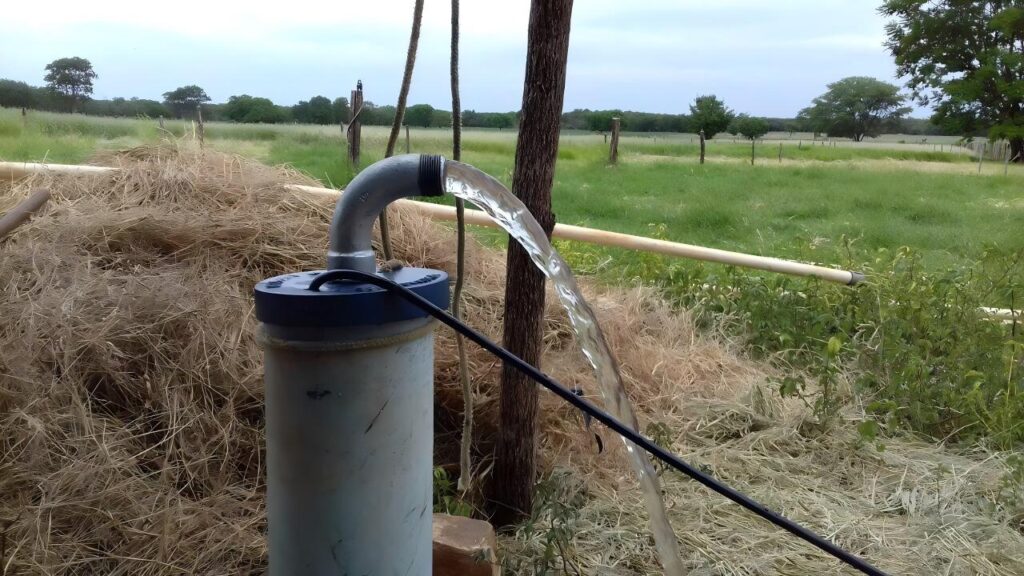
How long does a solar water pump last?
The lifespan of a solar water pump depends on several factors including build quality, solar panel efficiency, maintenance practices, and environmental conditions. Generally, high-quality solar water pumps—such as those manufactured by FEILI PUMP CO., LTD (ctt brand)—can last between 10 to 20 years with proper maintenance.
Solar panels themselves often last over 25 years, retaining around 80% of their power output even after two decades. The pump motor and controller, however, might require inspection or replacement after 8–10 years, especially in areas with high dust, humidity, or continuous operation.
Regular maintenance ensures durability. Cleaning solar panels, checking water filters, and preventing dry runs will extend the system’s performance. Unlike fuel-powered systems that need constant refueling and have mechanical wear, solar water pumps use clean energy, minimizing operational costs and extending the system’s overall lifespan. Investing in a top-quality solar water pump means years of stable, low-maintenance water supply.
Do solar water pumps work in winter?
Yes, solar water pumps do work in winter, though performance can vary depending on sunlight availability and temperature. Even in cold or cloudy conditions, solar panels can still generate electricity—albeit at reduced efficiency. Modern solar panels are designed to absorb diffuse sunlight, meaning they continue producing power even when skies are overcast.
For areas that experience heavy snowfall, it’s important to keep solar panels clean and angled properly to maximize light exposure. The pump itself should be protected from freezing temperatures by proper insulation or using frost-resistant materials. Systems equipped with battery storage or hybrid backup options can ensure uninterrupted operation, even during prolonged cloudy days.
Using a solar water pump during winter offers continuous access to water for livestock, irrigation, or domestic use without relying on unstable grid power. Thanks to clean energy technology, today’s solar water pumps provide consistent performance in all seasons, reducing environmental impact and maintaining water availability year-round.
Solar water pumps deliver reliable, clean energy solutions for diverse applications, ensuring sustainable water access across every season and condition


