What Is a Solar Water Pumping System?
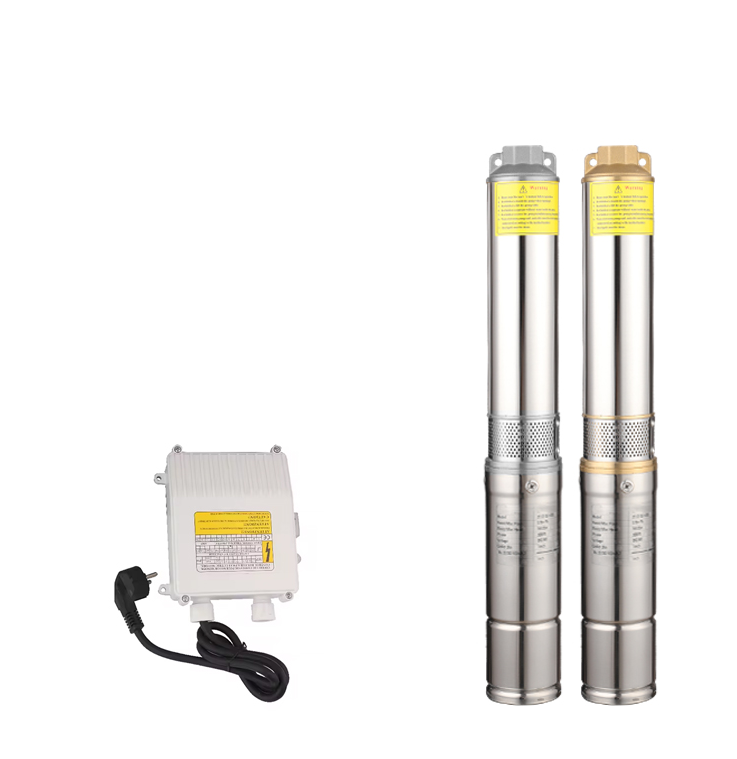
A solar water pump system is a renewable-energy-powered setup that uses sunlight to drive a water pump for irrigation, livestock watering, or domestic use. It consists of several key components — solar panels, a pump controller, and a water pump (usually a submersible borehole pump or a surface pump).
The solar panels capture sunlight and convert it into direct current (DC) electricity through photovoltaic cells. This electricity powers the pump directly or, in some systems, is first converted into alternating current (AC) by an inverter. Once the pump is energized, it draws water from a source such as a borehole, river, or underground well and delivers it to storage tanks or irrigation systems.
A submersible borehole pump is ideal for deep water extraction, capable of pumping water from depths of 200 meters or more. Since the entire system operates on solar energy, users enjoy continuous operation during daylight hours without relying on grid electricity or fuel-powered generators.
In essence, a solar water pump system combines clean energy and modern pumping technology to deliver water efficiently and sustainably.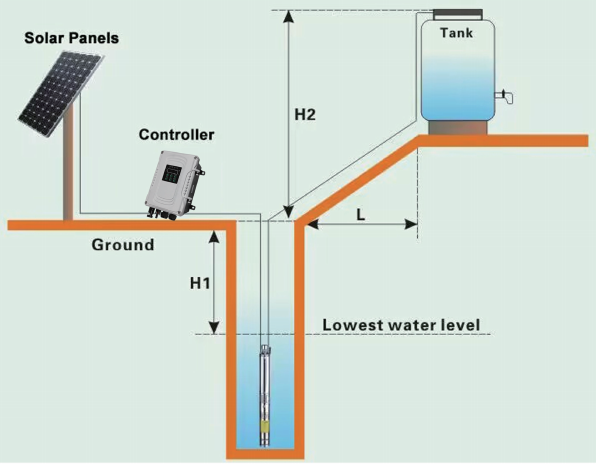
What Is the Purpose of a Solar Water System?
The main purpose of a solar water system is to provide an efficient, cost-effective, and environmentally friendly way to pump and distribute water. It ensures reliable water access in areas with limited or no grid electricity, making it ideal for rural communities, farms, and remote industrial operations.
In agriculture, the solar water pump system is widely used to irrigate crops, supply water to livestock, and fill reservoirs. It operates during daylight hours, matching perfectly with the times when irrigation demand is highest. Farmers benefit from predictable water supply without worrying about rising fuel prices or power outages.
In residential and community applications, solar systems provide clean water for daily use—drinking, sanitation, and household needs—while drastically reducing long-term energy costs.
The purpose extends beyond practicality—it also contributes to environmental protection. By replacing diesel or electric pumps with solar water pumps, users cut down on carbon emissions and promote sustainable resource management.
Ultimately, the purpose of a solar water system is to deliver reliable, low-cost, and renewable water pumping for a wide range of uses.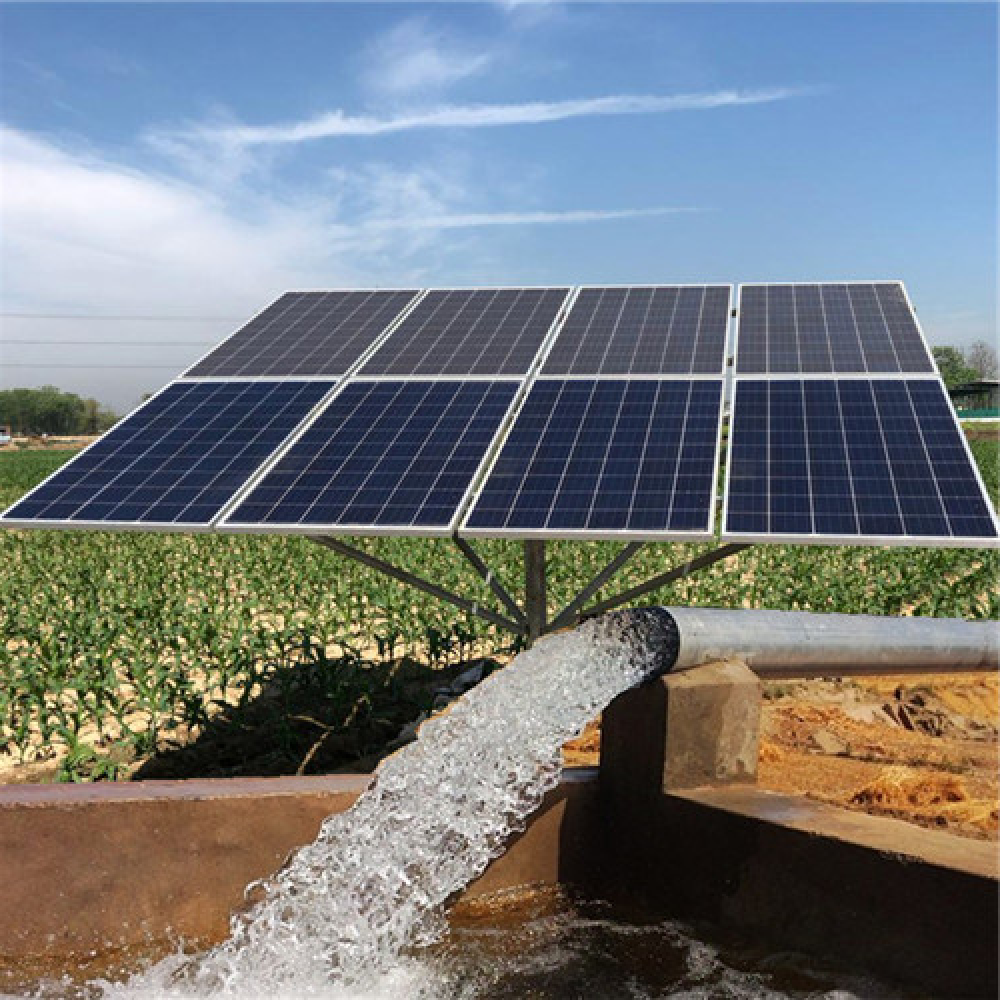
What Is the Main Purpose of a Water Pump?
A water pump serves one fundamental purpose: to move water efficiently from one place to another. Whether powered by solar energy, electricity, or fuel, every pump performs this essential task of transferring water through pressure and flow.
In a solar water pump system, the pump uses solar-generated power to lift water from underground sources, rivers, or tanks and push it to where it’s needed. For deep wells or boreholes, a submersible borehole pump is typically used because it operates underwater and can handle significant vertical lift.
Water pumps are vital in various sectors — from agriculture, where they enable irrigation and livestock supply, to construction, manufacturing, and domestic use, where they ensure consistent water flow.
The efficiency and reliability of the water pump directly affect productivity. When powered by solar energy, the same pumping function becomes more sustainable and economical, eliminating recurring fuel and power costs.
Simply put, the purpose of a water pump is to ensure a continuous and controlled water supply, tailored to the specific needs of each user.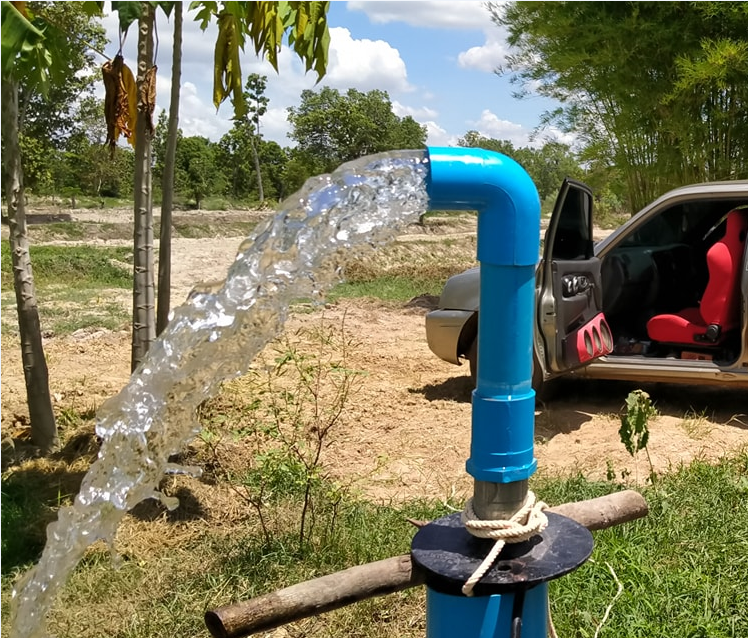
What Is the Difference Between a Solar Pump and a Normal Pump?
The main difference between a solar pump and a normal pump lies in their power source and cost efficiency. A solar water pump uses renewable solar energy to operate, while a normal pump depends on grid electricity or fossil fuels such as diesel or petrol.
A solar water pump system is equipped with solar panels that capture sunlight and generate power. It works best in sunny environments and requires little maintenance once installed. On the other hand, normal pumps often involve higher operational expenses due to fuel consumption, maintenance, and electricity costs.
In terms of design, a solar pump—especially the submersible borehole pump variant—is optimized for efficiency and durability. These pumps often use brushless DC motors, which have fewer moving parts and longer lifespans. Normal pumps, by comparison, may suffer faster wear and tear due to engine vibrations or fuel impurities.
Another major difference is in environmental impact. Solar pumps produce zero emissions and promote clean energy, while normal pumps contribute to pollution and depend on nonrenewable energy sources.
Although the initial investment for a solar system may be higher, it pays off over time through energy savings, low maintenance, and long-term reliability.
In short, a solar water pump offers independence from grid power, sustainability, and cost efficiency—advantages that normal pumps simply can’t match.

Benefits of a Solar Water Pump System
Energy Independence: Solar pumps run entirely on sunlight, eliminating the need for grid power or fuel.
Cost Savings: Once installed, operational costs are minimal, and there are no recurring energy bills.
Low Maintenance: With fewer moving parts and no combustion engine, maintenance is simpler and less frequent.
Sustainability: Solar systems reduce carbon emissions, supporting global clean-energy goals.
Reliability: Ideal for remote or rural locations where electricity is unreliable or unavailable.
Scalability: Systems can be expanded easily by adding more panels or upgrading the submersible borehole pump to meet higher water demands.
These benefits make solar water pump systems a long-term, high-value investment for both agricultural and industrial users.
Conclusion: A Smarter and Greener Way to Pump Water
In conclusion, a solar water pump system is an advanced, sustainable solution for modern water management. It operates by converting sunlight into electricity to power a water pump, often a submersible borehole pump, which lifts or transports water efficiently.
The purpose of a solar system is clear — to deliver water reliably while reducing costs and environmental impact. Compared to normal pumps, solar water pumps stand out for their clean energy use, lower maintenance, and long-term economic advantages.
As demand for sustainable solutions grows, solar water pump systems have become essential tools for farms, communities, and industries seeking dependable, eco-friendly water supply. With proper design and quality components, they ensure consistent performance, substantial energy savings, and a greener future