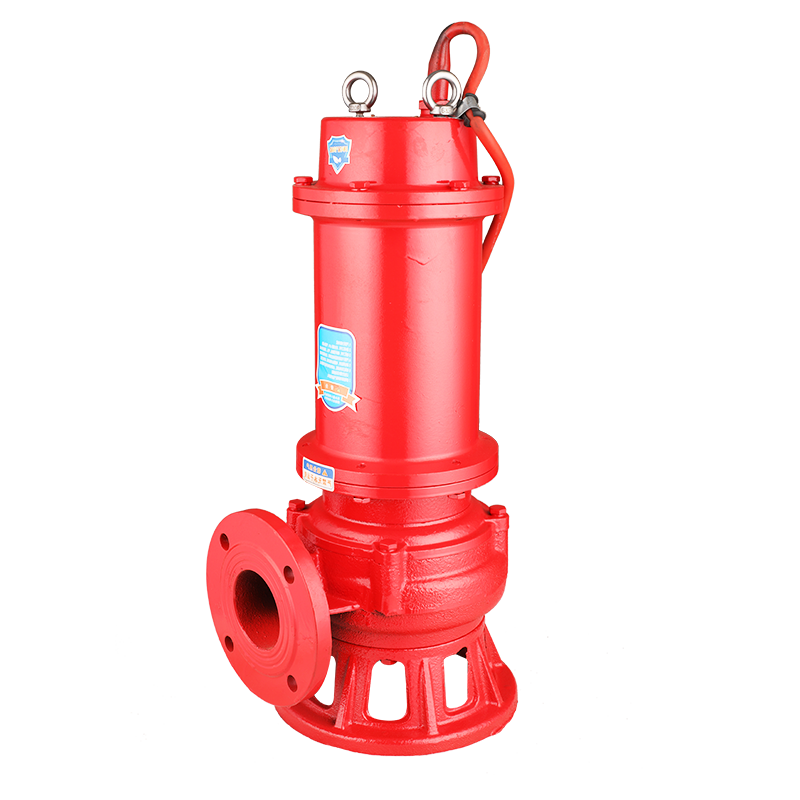
A blocked water pump weep hole leads to hidden seal failure, overheating, and costly downtime—risking shipment delays and customer loss; keeping the weep hole open protects pump function.
The water pump weep hole releases coolant or water when internal seals begin to fail; plugging it traps pressure, damages bearings, accelerates pump failure, and risks total breakdown in deep well, utility, or effluent pump systems.
Keep reading to avoid expensive pump failures impacting your B2B operations.
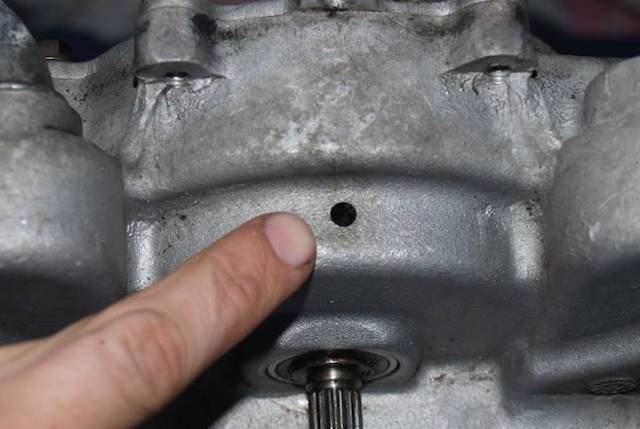
What Does a Water Pump Weep Hole Do?
A water pump weep hole is a small but essential safety feature designed to protect the pump’s internal components. While many B2B buyers—especially distributors and electromechanical service providers—focus on price, certifications, and logistics, the weep hole is one of those engineering details that directly affects long-term reliability. Located between the coolant seal and the bearing seal, the weep hole acts as a pressure-relief and early-warning outlet.
When a water pump is operating in a deep well pump, centrifugal pump, utility pump, or effluent pump system, internal seals naturally wear over time. As these seals degrade, small amounts of liquid escape through the weep hole instead of being forced into the bearings. This prevents catastrophic bearing failure, overheating, and shaft seizure. In other words, the water pump weep hole ensures correct pump function and gives users a visible signal that the pump needs service—before major damage occurs.
For wholesalers like Alex from Russia, who are sensitive to quality and season-based demand cycles, early detection of seal wear can prevent lost sales and returns. When sourcing pumps from China, knowing that a weep hole is functioning correctly is part of quality control and reduces the risk of post-shipment complaints. Understanding this feature also helps distributors educate customers, strengthening trust and reducing after-sales friction.
Plugging or ignoring the weep hole eliminates this early-warning system and makes the pump more vulnerable to sudden failure—costing far more than a simple repair. For B2B clients, that can mean losing market share in competitive regions where reliability is crucial.
What Happens If Water Gets in Your Weep Holes?
If water is coming out of the weep hole, it’s usually a normal sign of seal wear. But if water is getting into the weep hole from the outside, that indicates a larger operational problem. External water intrusion typically comes from flooding, installation errors, harsh working environments, or exposure to corrosive liquids—conditions common in Africa, Southeast Asia, and the Middle East.
Once water enters the weep hole, it bypasses the intended direction of flow and begins attacking the bearing system from the outside in. This leads to rust, lubrication contamination, and bearing degradation. Eventually, the pump shaft may wobble, increasing noise, vibration, and heat. For water pump distributors, this results in a wave of customer complaints, warranty claims, and accusations of poor manufacturing—especially if your clients rely heavily on seasonal sales windows.
In utility pumps and effluent pumps, where harsh water conditions are common, protecting the weep hole from external contamination is essential. B2B buyers should ensure proper installation elevation, adequate housing protection, and regular inspection. Preventive maintenance helps keep the water pump weep hole performing correctly, extending pump life and reducing replacement frequency—critical for maintaining a steady price and reliable after-sale service, which are strengths of CTT pumps.
Ultimately, water entering the weep hole is a warning sign: the pump environment or installation is compromising pump function. Fixing water pump setups early prevents a chain of failures that can interrupt your distribution flow.
How Urgent Is a Leaking Water Pump?
A leaking water pump should be treated as an urgent maintenance issue, not a minor inconvenience. Whether you’re dealing with deep well pumps, centrifugal pumps, or utility pumps, a leak from the weep hole indicates the internal seal is failing. While the weep hole is functioning as designed—releasing fluid to protect the bearings—it also signals that the pump’s service life is at risk. For B2B buyers, this directly affects logistics planning, inventory turnover, and customer confidence.
If the leak is small and steady, the pump may still operate safely for a limited period. However, leak progression is unpredictable. In harsh conditions typical of Russia or the Middle East, temperature fluctuations can worsen seal wear rapidly. Delaying replacement leads to bearing failure, overheating, and even rotor seizure. These failures often happen suddenly and require full pump replacement rather than a simple seal repair.
Furthermore, a leaking water pump can compromise surrounding equipment and cause downtime on farms, construction sites, or municipal sewage systems—scenarios that wholesalers want to avoid because downtime damages your reputation as a reliable supplier.
In B2B operations, urgency also connects to logistics: a leaking pump discovered after shipping causes disputes, returns, and higher freight expenses. Understanding the weep hole’s role allows you to implement better QC checks before shipment, reducing cost and increasing trust.
In summary, a leaking water pump should be treated as a priority repair to maintain pump function, protect your brand credibility, and avoid expensive equipment failure.
A functioning weep hole keeps the water pump safe—never plug it; maintain it for maximum reliability.