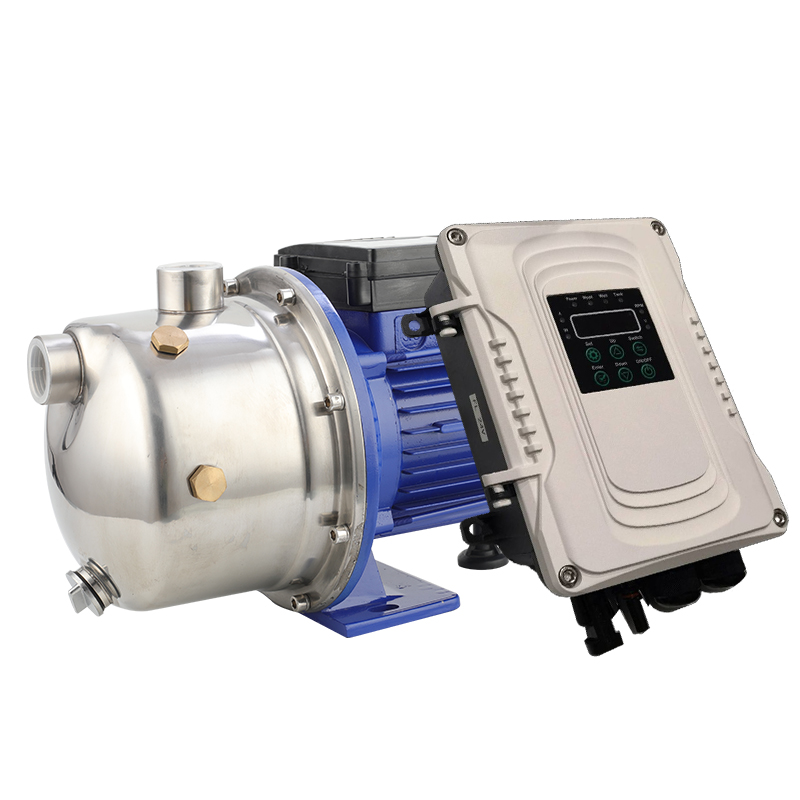
What Is a Solar Pumping System?
A solar pumping system is a complete setup that uses photovoltaic (PV) panels to generate electricity that drives water pumps such as borehole pumps, borehole water pumps, and submersible borehole pumps. The system typically includes solar panels, a controller, wiring, and a pump—often a submersible solar pump for deep wells. Unlike grid-powered systems, a solar pumping system works independently, making it ideal for rural areas, farms, and remote installations where power supply is unstable. For B2B buyers, solar pumping reduces customer complaints about fuel cost, maintenance, and power outages—offering a long-term, reliable water solution.
What Is the Difference Between a Solar Pump and a Normal Pump?
A normal pump requires grid electricity or diesel generators, while a solar pump relies solely on solar panels. This makes solar pumps more suitable for areas with high sunlight and poor power infrastructure. Solar pumps—especially submersible solar pumps and borehole water pumps—have controllers optimized for variable solar input, ensuring smooth operation even when sunlight fluctuates. In contrast, traditional pumps may fail or stall under voltage drops, causing downtime. For distributors, solar pumps reduce operational cost, require less maintenance, and offer stronger selling points in competitive markets where customers value energy savings and reliability.
How Many Solar Panels Do I Need to Run a Water Pump?
The number of solar panels needed depends on pump power (wattage), system voltage, sunlight hours, and whether the pump is a borehole pump or a submersible solar pump. As a general rule, a 1HP submersible borehole pump typically needs 1,000–1,300W of solar panels, while a 2HP pump requires about 2,000–2,600W. Installers also consider factors such as water depth, required flow rate, and panel efficiency. For B2B pump distributors, offering pre-configured solar pump kits helps customers reduce sizing errors, shorten installation time, and ensure stable performance—especially in rural or agricultural applications.
How Does a Solar Pumping System Work?
A solar pumping system works by converting sunlight into electricity through solar panels. The power is sent to a pump controller, which stabilizes and optimizes the electrical current before feeding it to the pump. When sunlight is strong, the controller increases pump speed to maximize water output; when sunlight weakens, it reduces speed to protect the pump. Submersible solar pumps used in deep wells lift water from underground sources, while surface pumps are used for rivers or tanks. The system can store water in elevated tanks instead of using batteries, reducing costs and maintenance. This simplicity makes solar pumping ideal for developing markets.