Title: What Causes a Water Pump to Draw More Amps?
When your water pump draws too many amps, it wastes energy, overheats, and shortens lifespan. Without quick action, you risk equipment failure and costly downtime. Let’s fix it fast.
A water pump draws more amps when it faces higher resistance, mechanical issues, or electrical inefficiencies. Common causes include blocked impellers, incorrect voltage, worn bearings, or running against closed valves. Identifying and correcting these factors helps maintain stable current draw, protect your borehole or solar water pump, and extend its overall service life.
Understanding the root causes of high amp draw is essential to ensure stable, efficient, and long-lasting pump performance.
Why Is My Water Pump Drawing Too Much Current?
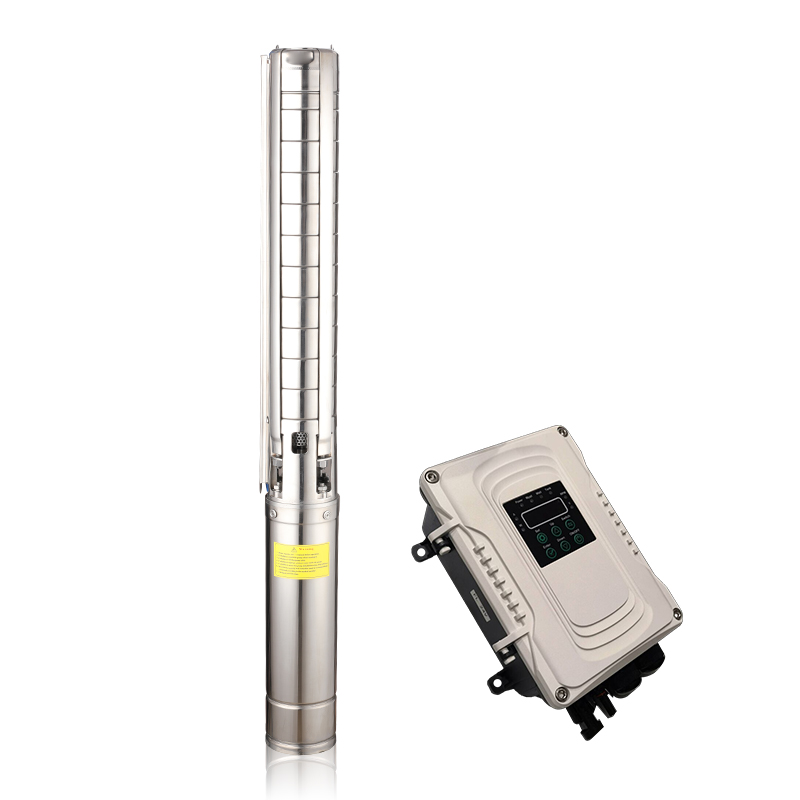
When a water pump—whether a submersible borehole pump, solar submersible pump, or centrifugal deep well unit—draws more amps than its rated value, it signals internal stress or external resistance. Excessive current can result from mechanical, hydraulic, or electrical faults. One common mechanical cause is impeller blockage. If debris, sand, or sludge gets trapped, the impeller faces additional resistance, forcing the motor to work harder and pull more amps. Similarly, worn or seized bearings increase friction inside the motor housing.
Hydraulic issues also play a major role. When a borehole water pump runs against a closed discharge valve or restricted pipeline, the back pressure increases. The motor compensates by increasing torque, which directly raises the amperage draw. For solar water pumps, incorrect power supply or insufficient sunlight can cause inconsistent voltage, leading to erratic amp readings as the system struggles to maintain flow.
Electrical factors are equally significant. Low voltage at the motor terminals often causes overcurrent, as the pump attempts to maintain output torque. Loose electrical connections or undersized cables exacerbate this issue. In some cases, misalignment between the motor and pump shaft also contributes to excess load, resulting in an unnatural rise in amperage.
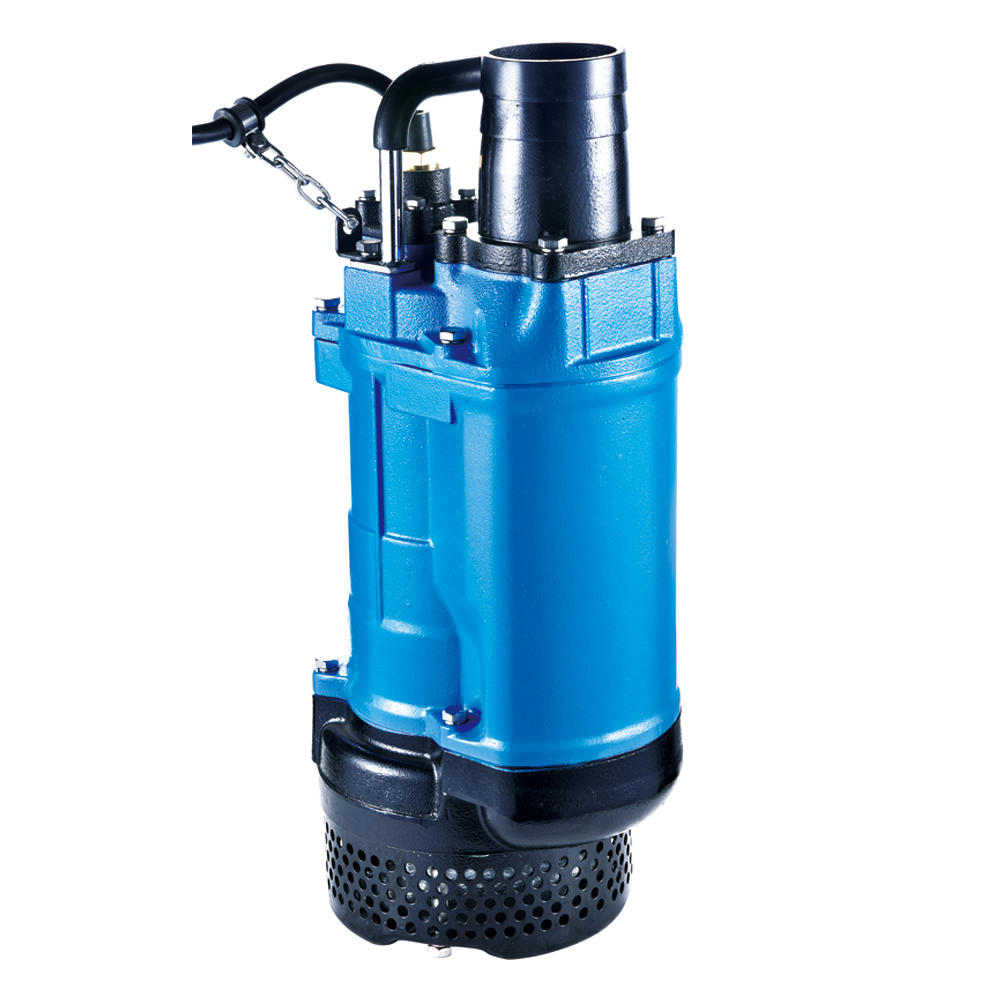
Finally, using the wrong pump model for a given application—such as installing a submersible hole pump designed for clean water in a slurry or sandy environment—can cause clogging and motor overload. Always match pump specifications to the site conditions and fluid type. By monitoring amperage, maintaining clean intake filters, and ensuring proper electrical supply, you can prevent current surges and protect your investment.
How Do You Correct a Pump That Has Drawn in Excess Amperage?
When a pump draws excess amperage, immediate diagnosis and corrective action are essential. Start by shutting down the unit safely and disconnecting it from the power source. Conduct a visual inspection of the impeller, motor, and suction area. If you’re using a borehole water pump or submersible hole pump, check for sediment buildup or clogged strainers. Cleaning out debris can instantly reduce motor strain and restore normal amperage levels.
Next, inspect the electrical system. Measure the voltage at the motor terminals and compare it with the nameplate rating. If the voltage is too low, increase wire gauge size or shorten the cable length to reduce losses—especially important for solar submersible pumps connected to PV arrays. Check all wiring connections for corrosion or looseness, as poor conductivity forces the motor to draw higher current.
Lubricate or replace worn bearings and seals, as friction creates unnecessary load. Misalignment between motor and pump should be corrected using precision alignment tools. For centrifugal or solar water pumps, verify that the discharge valve is open and that there are no obstructions in the delivery pipeline. Overpressurization in the system often drives amperage spikes.
If the pump continues to draw high current after these checks, perform a motor insulation resistance test. Weak insulation can cause partial shorts in the windings, increasing current draw. In severe cases, rewinding or replacing the motor may be necessary.
Preventive maintenance is the long-term solution. Schedule periodic inspections of impellers, shafts, and bearings. Keep electrical components dry and free of corrosion. For solar-driven units, ensure the panels deliver stable power within the pump’s rated voltage window. Finally, use monitoring equipment to track real-time amperage—an early warning system that alerts you before failure occurs.
By applying these measures, your borehole water pump, solar water pump, or deep well submersible pump will operate efficiently, maintain steady amp levels, and deliver years of reliable performance under demanding conditions.