
What Is a Solar Powered Pump Kit and Why Is It Important?
Limited water access affects farming and households. This leads to crop loss, livestock stress, and higher costs. A solar powered pump kit solves these problems using free solar energy. (30 words)
A solar powered pump kit is a complete off-grid pumping system powered by solar panels. It includes a surface pump or submersible borehole pump, solar controller, cables, and panel mounting hardware. Designed for irrigation, livestock watering, and daily supply, it delivers reliable water without fuel or grid electricity, making it cost-effective and environmentally friendly.
This guide explains how solar pump kits work and helps you understand whether they fit your long-term water needs. 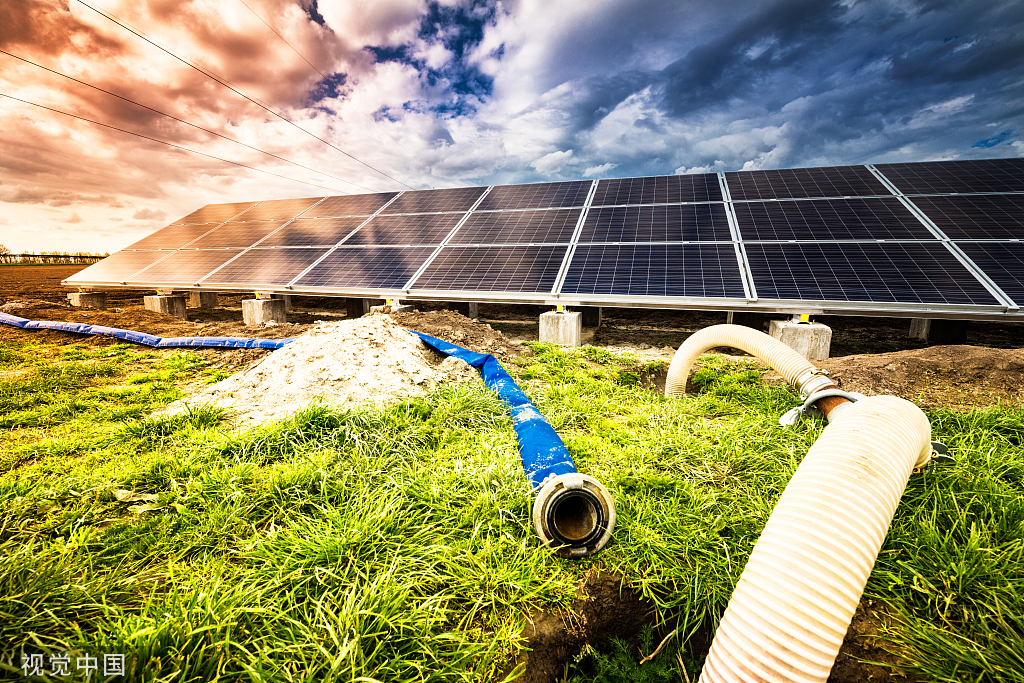
What does the solar powered pump kit include?
A solar powered pump kit is designed as a complete, ready-to-install system, ensuring that users can begin pumping water immediately without purchasing additional components. The most essential part of the kit is the solar panels, which convert sunlight into DC electricity. These panels must be sized correctly so the pump receives enough power throughout the day. The kit also includes a solar pump controller, often with MPPT technology, which regulates voltage, protects the pump, and optimizes efficiency under fluctuating sunlight conditions.
The pumping component varies by application. A surface pump is included when water is drawn from shallow sources such as ponds, tanks, or rivers. A submersible borehole pump is included for deep wells where water must be lifted from significant depths. These pumps are built with corrosion-resistant materials to ensure long-term durability in harsh outdoor environments. Other items in the kit typically include extension cables, mounting structures for the solar panels, connectors, and sometimes dry-run or overload protection features. Together, these elements allow a solar water pump system to operate smoothly, reliably, and independently from utility power or fuel.
Can I run a pump directly from a solar panel?
Yes, you can run a pump directly from solar panels, and this is the standard configuration for most solar water pump systems. A direct solar-powered setup eliminates the need for batteries, reducing cost, maintenance, and system complexity. As long as there is sufficient sunlight, the solar panels generate the DC electricity needed to power the pump. This makes it an ideal solution for daytime irrigation, livestock watering, and tank filling in remote areas.
However, the pump cannot be connected to the panels alone. A solar pump controller is always required to ensure safe and stable operation. The controller protects the pump from voltage fluctuations, prevents damage during low-light conditions, and maximizes daily water output by adjusting electrical input as sunlight varies. Both surface pump systems and submersible borehole pump systems perform efficiently when driven directly by solar panels. In regions with strong sunlight patterns, direct-drive solar pumping is more than sufficient to meet daily agricultural and domestic water demands.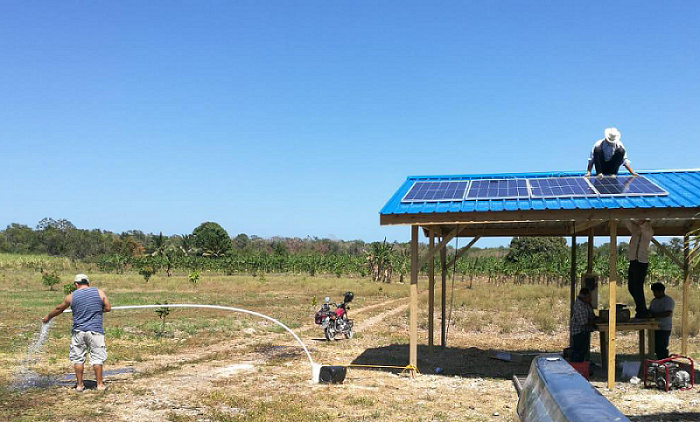
Do solar-powered water pumps work?
Solar-powered water pumps work very effectively and have become a preferred solution for irrigation, household supply, and rural water management. Their effectiveness lies in their ability to operate in remote areas where grid electricity is unreliable or unavailable. When paired with properly sized solar panels and a high-quality controller, both surface pump systems and submersible borehole pumps provide strong and steady water flow throughout the day.
Modern pumps use efficient brushless DC motors that require minimal maintenance and respond well to variable sunlight conditions. Even during cloudy weather, a well-designed solar water pump continues working, though at reduced capacity, thanks to MPPT controllers that optimize incoming power. Solar pumps are widely used for crop irrigation, fish farming, livestock watering, and delivering water to overhead storage tanks. They significantly reduce operating costs by eliminating fuel purchases and generator maintenance. Over time, their reliability, long lifespan, and low environmental impact make them an excellent long-term investment for agriculture, homesteads, and community water projects.
How far will a solar pump push water?
The distance a solar pump can push water depends on pump type, water source depth, pipe size, and solar panel power. A surface pump can push water horizontally for hundreds to thousands of meters and lift vertically up to around 20–40 meters. This makes it well-suited for transferring water across farms, filling tanks, and distributing water to livestock. With proper pipe sizing, friction loss can be minimized, allowing the pump to maintain strong pressure over long distances.
A submersible borehole pump is designed for deeper applications and can lift water from depths of 50 to 300 meters or more, depending on the model. These pumps use multi-stage impellers that generate high pressure, enabling both vertical lift and long horizontal delivery. The performance of any solar water pump is directly tied to the size and orientation of the solar panels. More wattage means higher flow rates and greater pushing capacity. Many users pump water into elevated tanks during daylight hours, allowing gravity to distribute water at night without additional energy consumption. When properly configured, a solar powered pump kit can meet demanding agricultural and household supply requirements with ease.
A solar powered pump kit offers a reliable, efficient way to secure water using free, sustainable solar energy.


