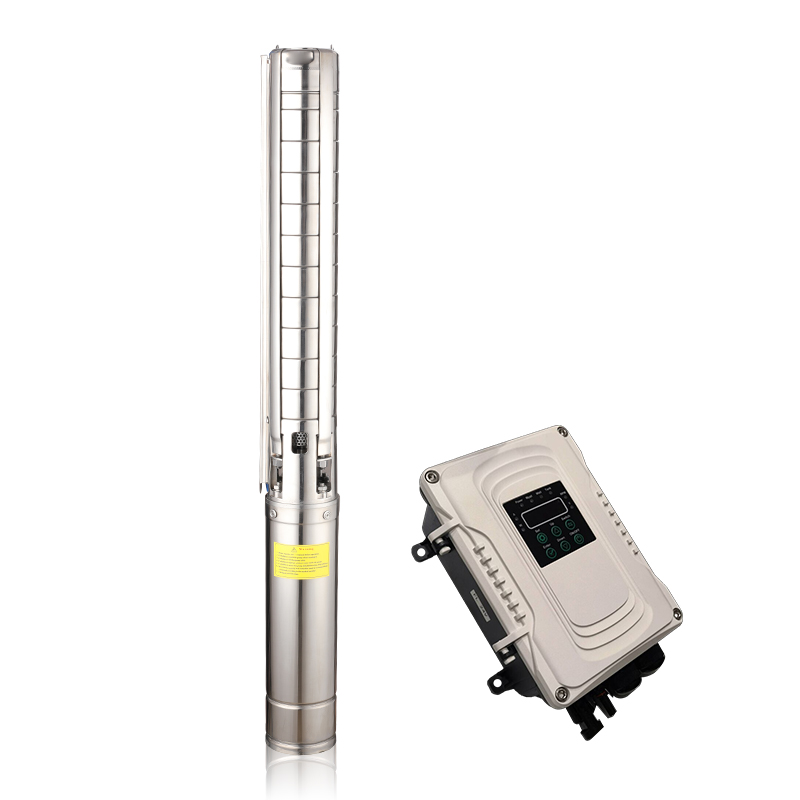
How to Measure a Well Water Flow Rate?
Low well flow causes pump burnout and business losses; misjudging GPM risks system failure. Correct flow-rate testing prevents downtime—here’s the method professionals rely on.
To measure well water flow rate, record how many gallons the well delivers in a minute. Run the pump, measure output volume using a flow meter or timed-bucket method, and calculate GPM = total gallons ÷ minutes. Accurate GPM helps size submersible hole pumps, borehole water pumps, and solar water pumps for long-term performance.
Before sizing a pump or choosing equipment, learn these fundamentals to protect your well system.
What Is a Good GPM for a Well?
A “good” GPM (gallons per minute) depends on property size, fixture demand, and whether the well supplies residential, agricultural, or industrial applications. For most households and small farms, 5–10 GPM is considered adequate, ensuring constant pressure for daily use. Larger estates, commercial users, and irrigation systems typically require 10–20+ GPM to meet peak consumption.
For B2B buyers sourcing submersible hole pumps, borehole water pumps, solar submersible pumps, or effluent systems, accurate GPM ensures correct pump sizing. Undersized flow leads to pump cycling, overheating, and shortened lifespan. Oversizing causes unnecessary energy consumption and higher operational cost.
In wholesale projects—especially in developing markets like Russia, Southeast Asia, Africa, and the Middle East—most distributors choose a pump flow range that aligns with the well’s natural recovery rate. Matching well output with pump demand is critical for long-term stability and warranty protection. Consulting with your supplier ensures the equipment (especially solar water pumps) maintains stable output even in fluctuating water tables.
How to Increase Well Flow Rate
Improving a well’s flow rate involves both mechanical and structural methods. The first step is diagnosing the bottleneck—whether it is caused by pump limitations, sediment blockage, well depth reduction, or slow recovery from the aquifer. Many B2B buyers mistakenly blame pumps, while the issue often lies in the well’s construction.
Professional techniques include well cleaning, removing mineral scale, developing the well using surging or jetting, hydro-fracturing (for bedrock wells), and enlarging the storage capacity. If pump performance is the limiting factor, upgrading to a higher-efficiency borehole water pump or submersible hole pump can significantly increase usable flow without altering the well structure.
For solar-powered systems, switching to a stronger Solar submersible pump with MPPT control boosts performance during low-sun hours. Ensuring proper pipe diameter, minimizing bends, and using a suitable check valve also help increase total delivered GPM.
Always verify the well’s natural recovery rate before increasing pump capacity—otherwise, you risk running the well dry, causing air intake, pump burnout, and costly downtime.
Is 20 GPM Good for a Well?
Yes—20 GPM is considered an excellent flow rate for the majority of residential and agricultural wells. This capacity easily supports multiple fixtures, irrigation, livestock watering, and small-scale industrial processes. For B2B buyers, a 20-GPM production rate gives flexibility in choosing submersible hole pumps, borehole water pumps, or solar water pumps depending on application.
However, “good” must be evaluated based on consistency. A well may briefly produce 20 GPM but cannot sustain it continuously if the aquifer recharge rate is lower. In such cases, a pump delivering 20 GPM may empty the well faster than it refills, causing pressure loss and pump cycling.
When designing a system for distributors or OEM customers, pump manufacturers like CTT (FEILI PUMP CO., LTD) recommend verifying:
Static and dynamic water levels
Pump setting depth
Real recovery rate
Required continuous duty cycle
If all factors align, a 20-GPM well can operate high-demand systems smoothly, especially when matched with high-quality CTT utility pumps, effluent pumps, or solar submersible pumps built for stable, long-duration operation.