How to know which solar water pump system is suitable?
Accessing reliable water in remote or rural areas can be a challenge. Choosing the wrong solar water pump wastes energy, increases costs, and delivers poor performance. The right system ensures efficiency, reliability, and long-term savings.
To know which solar water pump system is suitable, you must assess water source type, depth, water demand, and solar power capacity. Choosing the correct pump type—surface, submersible, DC, or AC—ensures efficiency and reliable performance.
Selecting the right solar pump system requires understanding your water needs and available sunlight—let’s explore how to make the perfect choice.
How do I choose a solar water pump?
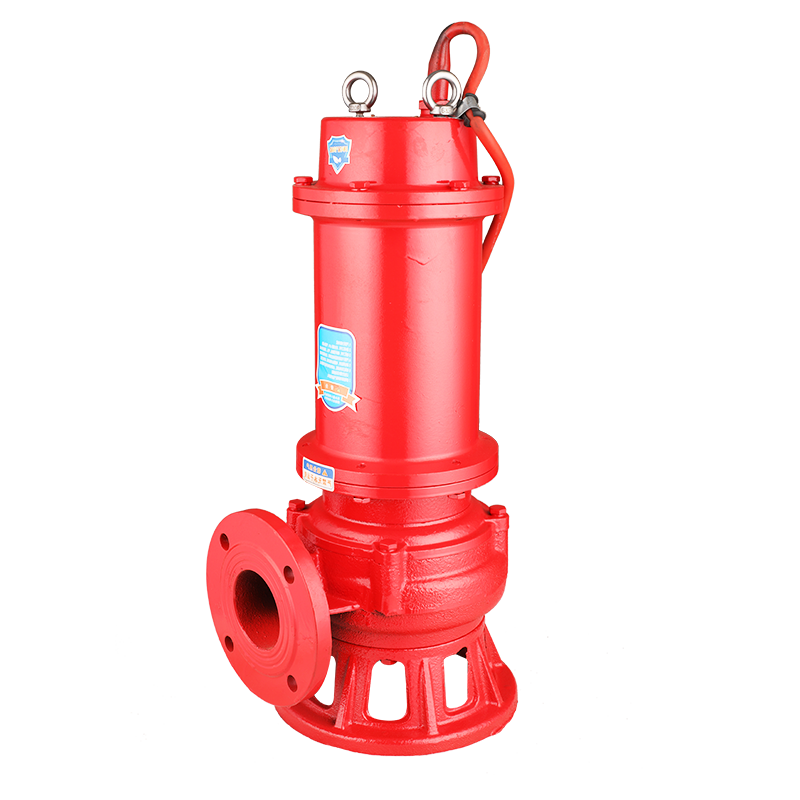
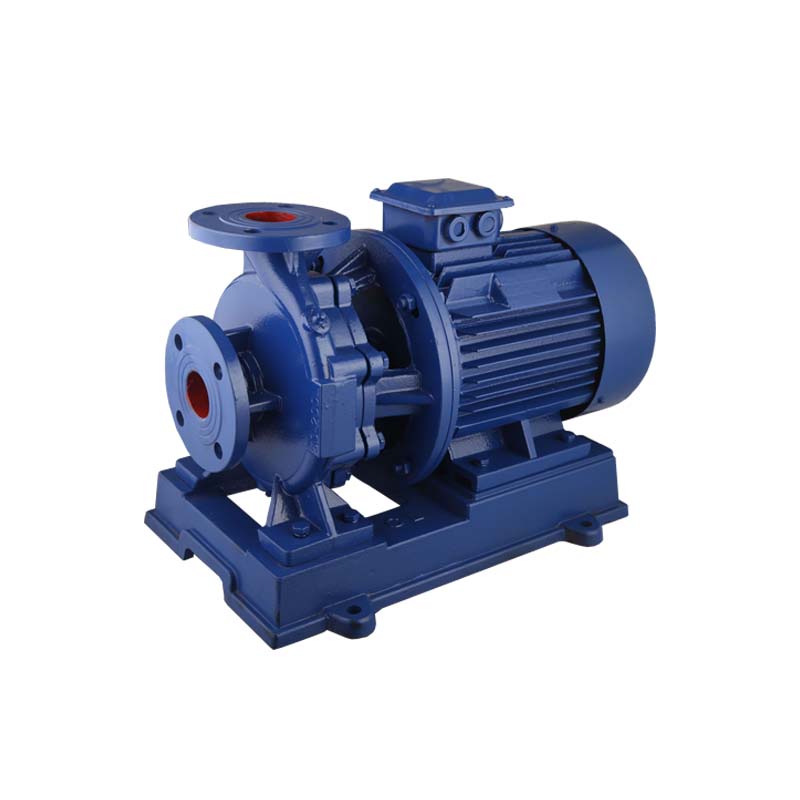
Choosing a solar water pump involves assessing your water requirements, pump location, and available sunlight. Begin by identifying your water source—surface or underground. Surface pumps are ideal for shallow water sources such as ponds or rivers, while submersible pumps are used for deep wells. The amount of water needed daily determines the pump size and power rating.
Next, evaluate your solar potential. Regions with high solar irradiation can support DC pumps effectively, as these pumps run directly on solar energy without an inverter. However, if your system needs to power multiple devices or operate in low sunlight, AC pumps paired with an inverter might be more suitable.
You should also consider the total dynamic head (TDH)—the vertical lift plus friction loss in the pipes. This value helps determine the required pump pressure. A system with a proper TDH calculation ensures that water flows efficiently without overloading the pump. Finally, look for pumps that are designed for durability, have corrosion-resistant materials, and feature smart controllers for automatic operation.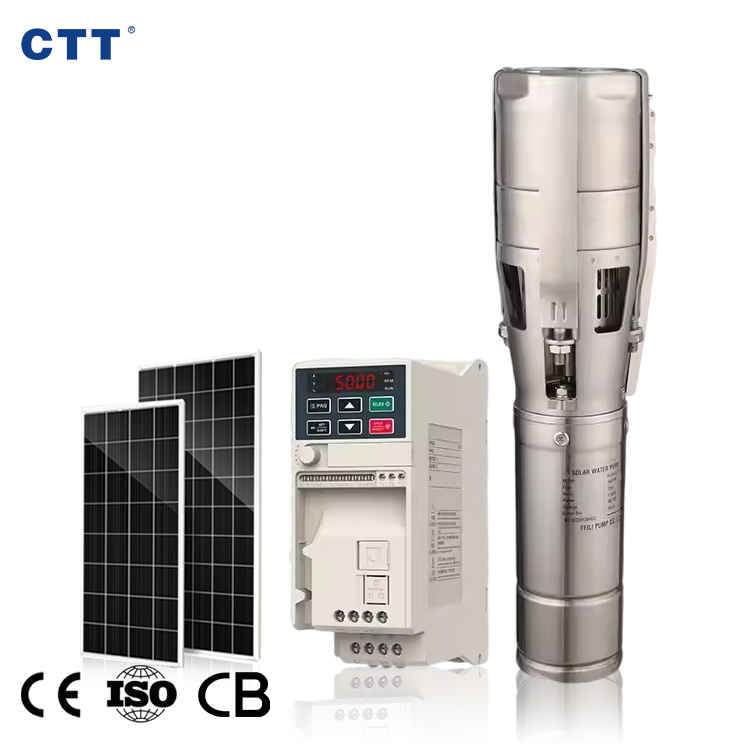
How do I know which water pump I need?
To determine which water pump you need, start by understanding the source of your water and how far it needs to travel. For instance, surface pumps are used when the water source is less than 7 meters deep, while submersible pumps are ideal for deeper wells or boreholes. The deeper the source, the stronger the pump must be.
Next, measure the daily water requirement in liters or gallons. This includes household use, irrigation, or livestock needs. For example, irrigation systems demand continuous high flow, while household systems require moderate flow at steady pressure. Match the pump capacity to these needs to avoid energy waste.
Consider the type of solar system powering it. DC pumps are energy-efficient and connect directly to solar panels, making them excellent for small to medium applications. In contrast, AC pumps are suited for large-scale or hybrid setups that might rely partly on grid or generator power. Choosing between these ensures you balance cost and performance according to your specific scenario.
Lastly, think about the maintenance and lifespan of the pump. Reliable brands offering warranty coverage and replacement parts reduce long-term costs and downtime.
How do you size a solar system for a water pump?
Sizing a solar system for your water pump requires balancing energy input with water demand. Begin by calculating your daily water needs in liters per day. Then, estimate how many hours of sunlight your area receives. This will determine how much solar power you can generate daily.
The pump’s wattage rating tells you how much energy it consumes. For example, a 500-watt DC pump running for five hours per day requires 2.5 kWh of energy. Divide this energy by the daily sunlight hours to determine the solar panel capacity. In this case, around 500–600 watts of panels would be appropriate.
If you’re using AC pumps, you’ll need to add an inverter to convert the solar energy from DC to AC. Keep in mind that inverters have efficiency losses (typically 5–10%), so your solar panel capacity must compensate for that.
Battery storage may also be considered if you need water during non-sunlight hours. However, for most irrigation systems, daytime pumping is enough. Always include a solar charge controller to prevent overcharging and to maintain optimal system efficiency. Proper sizing ensures stable operation, avoids underperformance, and extends the life of your solar water pump system.
How to choose the right submersible pump?
Choosing the right submersible pump depends on water depth, borehole diameter, and flow rate requirements. Submersible pumps are designed to operate underwater, making them perfect for deep wells or boreholes. The deeper the well, the more powerful the pump motor should be to lift water efficiently.
Check the pump’s maximum head and flow rate specifications. The maximum head tells you how high the pump can lift water, while the flow rate indicates how much water it can deliver per minute or hour. Select a pump whose performance curve matches your system’s requirements to prevent overloading.
DC submersible pumps are highly efficient because they directly connect to solar panels, reducing energy conversion losses. They are ideal for off-grid locations with consistent sunlight. AC submersible pumps, on the other hand, work better when integrated with hybrid or grid-tied solar systems where backup power is available.
You should also consider the water quality. Pumps made from stainless steel or corrosion-resistant materials last longer in mineral-rich or slightly acidic water. Always ensure the pump includes a control box or smart controller for protection against dry runs, voltage fluctuations, and overheating.
Finally, consult your pump supplier to ensure the pump fits the well casing size and delivers the required pressure for your intended application. Proper selection guarantees long-term performance and efficient water delivery.
Selecting the right solar water pump ensures reliable water supply and long-term efficiency