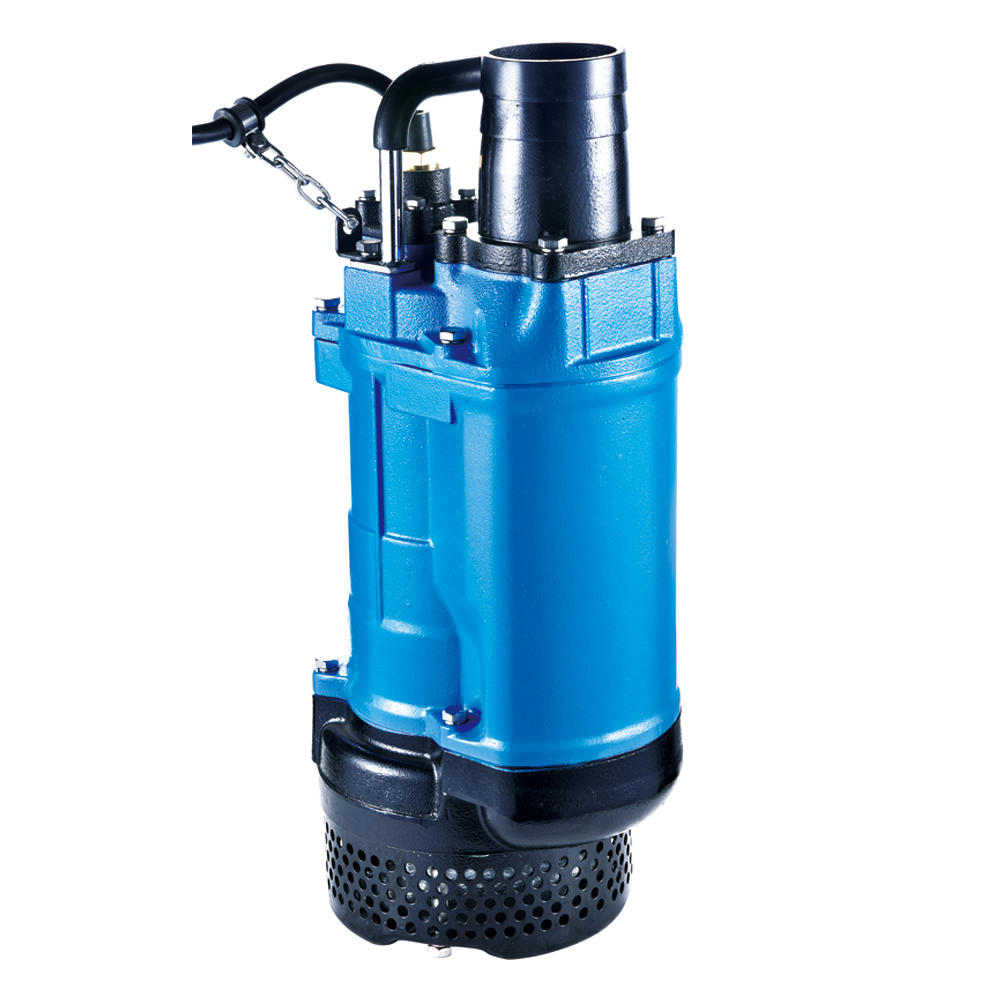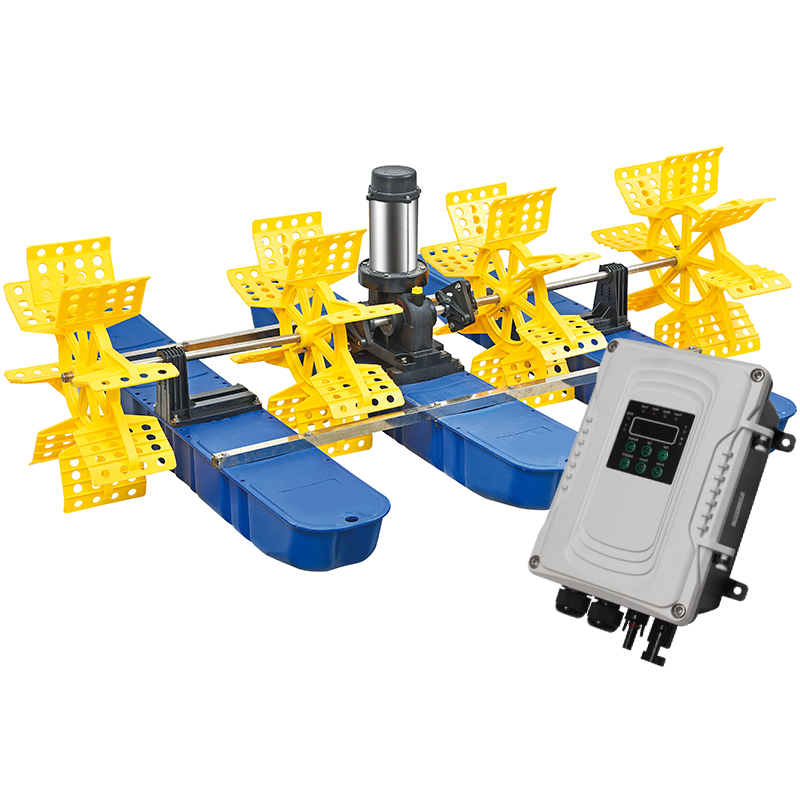
How much does a solar water pump cost?
High energy prices and unreliable electricity make water pumping expensive; wrong cost decisions cause wasted budgets and project failure—understanding solar water pump costs helps buyers invest wisely.
🔹 The cost of a solar water pump depends on pump type, power, flow rate, and system design. Solar powered water pumps range from small livestock units to large solar submersible pumps, offering long-term savings despite higher initial investment.
To truly understand pricing, it’s important to look beyond the pump itself and evaluate real-world value and applications.
Is a solar water pump worth it?
Whether a solar water pump is worth the cost depends on total lifecycle value rather than initial purchase price. Compared with diesel or grid-powered pumps, solar powered water pumps require higher upfront investment, but operating costs are extremely low. There is no fuel expense, minimal electricity cost, and significantly reduced maintenance due to fewer moving parts and simpler systems.
For B2B buyers such as pump wholesalers and water system contractors, solar water pumps create long-term profitability for end users. Once installed, the pump operates using free solar energy for years, often 10–15 years or more with proper maintenance. This dramatically lowers cost per cubic meter of water pumped over time.
In regions with unstable electricity or high fuel prices, the return on investment is even faster. Solar submersible pumps used in wells or boreholes eliminate fuel logistics and reduce downtime. From a business perspective, offering solar powered water pumps increases competitiveness, supports sustainability goals, and meets growing market demand for energy-independent water solutions.
Solar water pump for livestock
A solar water pump for livestock is one of the most cost-effective applications of solar pumping technology. Livestock operations require a consistent and reliable water supply, often in remote grazing areas where grid power is unavailable. Solar powered water pumps are ideal for this scenario because they can pump water directly from wells, rivers, or reservoirs during daylight hours.
The cost of a solar water pump for livestock varies depending on daily water demand, pumping height, and distance. Small systems may include a basic solar pump, controller, and solar panels, while larger ranch operations may require higher-capacity solar submersible pumps and larger panel arrays. Although the initial cost is higher than traditional pumps, operating expenses are close to zero.
For farmers and commercial livestock operators, the savings on fuel and labor quickly offset the purchase price. From a distributor’s viewpoint, solar water pumps for livestock are easy to market because they solve real pain points: fuel dependency, unreliable water access, and high maintenance. This makes them a high-demand, high-value product in rural and developing markets.
solar water pump for rain barrel
A solar water pump for rain barrel systems is a growing application in residential, commercial, and light agricultural markets. These systems collect rainwater in barrels or tanks and use a solar powered water pump to distribute water for irrigation, cleaning, or landscape maintenance. Because pressure requirements are low, system costs are generally more affordable.
Typically, a rain barrel solar water pump includes a compact pump, small solar panel, and basic controller. The overall cost is lower compared to deep well or high-pressure systems, making it an attractive entry-level product for eco-conscious users. Even small solar water pumps provide sufficient flow for gardens and drip irrigation.
For B2B buyers, this category offers high sales volume and broad appeal. Solar powered water pumps for rain barrel systems are easy to install, require minimal technical support, and fit well into sustainability-focused product lines. They also introduce customers to solar technology, opening opportunities to upsell larger solar submersible pumps or complete solar water solutions in the future.
What factors influence the cost of a solar water pump?
The price of a solar water pump is influenced by several technical and commercial factors. First is pump type: surface pumps are generally less expensive than solar submersible pumps designed for deep wells. Second is power rating, which determines how much water can be pumped and from what depth. Higher power means higher cost.
Another major factor is system configuration. A complete solar water pump system may include solar panels, mounting structures, controllers, cables, and optional energy storage. Quality of materials, motor efficiency, and certifications also impact pricing. Pumps built with stainless steel and high-efficiency motors typically cost more but last longer.
For wholesalers and distributors, understanding these cost drivers helps position products correctly. Instead of competing only on price, offering durable solar powered water pumps with stable performance and strong after-sales service creates higher perceived value and long-term customer trust.
Long-term cost vs initial investment
While the initial cost of a solar water pump may appear high, long-term savings are significant. Traditional diesel pumps incur continuous fuel costs, oil changes, and frequent repairs. Grid-powered pumps face rising electricity prices and power outages. In contrast, solar powered water pumps operate with almost zero ongoing energy cost.
Over a period of several years, the total cost of ownership of a solar water pump is often much lower. This is especially true for solar submersible pumps used in agriculture and water supply projects. For project-based buyers and government tenders, this long-term cost advantage is a key decision factor.
From a B2B perspective, educating customers about lifecycle cost rather than upfront price helps close deals and reduces price sensitivity. Solar water pumps are not just a product—they are a long-term investment in reliability and sustainability.
Conclusion: understanding real solar water pump value
So, how much does a solar water pump cost? The answer depends on application, system size, and quality—but the real value lies in long-term savings, reliability, and energy independence. Solar powered water pumps, whether for livestock, rain barrels, or deep wells using solar submersible pumps, offer strong economic and practical benefits.
For distributors, contractors, and wholesalers, solar water pumps represent a fast-growing market with global demand. By focusing on quality, correct system design, and customer education, solar water pump solutions deliver both commercial success and sustainable impact.