How Many Hours Can a Submersible Pump Run in a Day?
First Paragraph (PAS Strategy):
Continuous pumping without control can overheat and damage the system, leading to costly repairs. Monitoring running time ensures efficiency and long service life for your submersible pump.
Second Paragraph (Snippet Paragraph):
A submersible pump can typically run continuously for 6 to 24 hours depending on its design, water source, and cooling conditions. Modern submersible well pumps and solar water pumps are built for long-duty cycles, but proper monitoring, cooling, and maintenance are essential to prevent overheating and motor failure.
Third Paragraph (Connecting Paragraph):
Let’s explore in detail how long a submersible pump can operate safely and what factors determine its daily running hours.
How Long Can a Submersible Pump Run Continuously?
A submersible pump can usually run continuously for 6 to 8 hours under normal operating conditions, provided it’s fully submerged in water and has adequate cooling. The running time depends heavily on the pump’s motor design, load conditions, and water temperature.
The key to continuous operation lies in motor cooling. A submersible pump relies on the surrounding water to dissipate heat generated by the motor. If the water level drops or the pump operates partially submerged, it can overheat quickly, reducing lifespan.
High-quality submersible well pumps, especially industrial or agricultural-grade models, are designed for longer duty cycles — some can run 12 to 24 hours if the water source remains consistent. For example, solar water pumps can operate as long as sunlight is available, usually 6–10 hours per day, depending on solar intensity.
To maintain optimal performance, always follow manufacturer specifications for work hours and ensure the pump’s cooling and voltage conditions are stable. Regular inspection of water levels and electrical components helps prevent early burnout.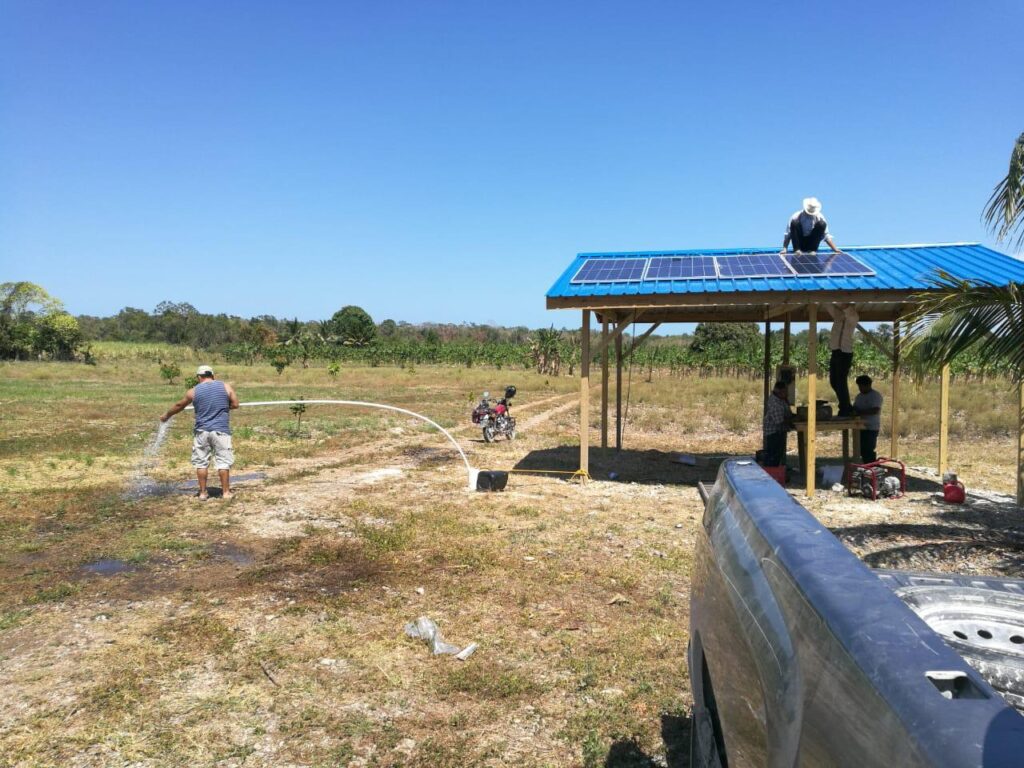
Can You Run a Submersible Pump 24-7?
In theory, yes — you can run a submersible pump 24 hours a day, 7 days a week, as long as it’s designed for continuous-duty operation and proper conditions are maintained. However, continuous 24/7 use demands high-quality construction and adequate maintenance.
Industrial submersible well pumps are engineered to handle heavy-duty operation, such as irrigation, livestock watering, or municipal water supply. These systems often incorporate automatic controls, cooling sleeves, and overload protection to manage extended work hours safely.
For residential and agricultural applications, running the pump 24-7 without rest is not recommended. Overuse can cause:
Motor overheating due to insufficient cooling.
Bearing wear and tear from continuous vibration.
Insulation degradation inside the motor windings.
A better approach is to use automatic level controllers or timers to operate the pump in cycles. This ensures adequate cooling periods between sessions while maintaining a consistent water supply.
In solar-based systems, solar water pumps naturally operate in limited daylight hours, providing an ideal balance between performance and equipment protection. Therefore, while continuous operation is possible, strategic scheduling greatly extends pump life.
How Many Hours Should a Submersible Pump Run?
The recommended daily work hours for a submersible pump vary depending on pump size, motor efficiency, and application. On average, most domestic or agricultural submersible pumps are designed to run safely for 6 to 12 hours per day.
If the pump is used for irrigation or water transfer, it can run longer periods as long as cooling and voltage remain stable. For example, a submersible well pump used in a deep irrigation setup might run 10 hours daily during the growing season.
However, short but frequent operation cycles are more harmful than steady long runs. Constantly starting and stopping the motor creates thermal stress and can lead to premature failure. Instead, aim for consistent, moderate-duration operation that maintains water flow without unnecessary starts.
To optimize running time:
Check water levels to ensure full submersion.
Monitor amperage draw to prevent overload.
Use thermal protection devices to automatically shut down during overheating.
With proper maintenance and cooling, your pump can easily maintain high performance for thousands of operating hours over its service life.
How Long Can a Well Pump Run Before It Burns Up?
A submersible well pump can run for many hours before overheating, but if cooling conditions are poor or electrical load is excessive, it may burn up within a few hours. The key factor is motor temperature — continuous operation under low-water or high-voltage conditions increases heat, which damages motor windings and seals.
For example, if the water level drops and the pump begins to suck air, the lack of water flow will cause rapid temperature rise. Within 15–30 minutes, the internal motor insulation can fail, leading to permanent burnout. Similarly, voltage fluctuations or running the pump dry can cause catastrophic failure.
To prevent this:
Install dry-run protection: This sensor stops the pump automatically when water levels are too low.
Maintain correct water depth: Always ensure at least 1 meter of water above the pump intake.
Use a check valve: Prevents backflow that can cause sudden pressure surges.
Allow rest intervals: Even a few breaks per day help maintain safe operating temperature.
When properly managed, a high-quality submersible well pump can run continuously for years without burning out. Always choose pumps rated for continuous duty and maintain regular inspection to ensure consistent cooling and electrical performance.
Factors Affecting Submersible Pump Work Hours
Several factors influence how long a submersible pump can safely operate in a day:
Pump Design: Heavy-duty industrial pumps can run longer than domestic models.
Water Temperature: Cooler water improves motor cooling efficiency.
Depth and Pressure: Higher lift or pressure requires more energy, increasing heat buildup.
Power Supply Stability: Fluctuating voltage reduces motor life.
Pump Type: A solar water pump typically operates only during daylight, making it naturally efficient and less prone to overheating.
Routine maintenance, correct installation, and environmental monitoring are critical to achieving maximum work hours and overall lifespan.
Best Practices for Extending Submersible Pump Lifespan
Keep the pump fully submerged at all times.
Avoid rapid start-stop cycles to minimize mechanical stress.
Use voltage regulators to protect against power surges.
Clean filters and intakes regularly to prevent clogging.
Match pump capacity to actual system demand — oversizing leads to inefficiency, undersizing causes overload.
For solar systems, keep solar panels clean and well-positioned for maximum performance.
Following these practices ensures your submersible pump or solar water pump operates safely, efficiently, and reliably for thousands of hours.
Conclusion: Efficient Operation Starts with Smart Monitoring
In conclusion, a submersible pump can typically run from 6 to 24 hours per day, depending on its design, water conditions, and operating environment. While submersible well pumps and solar water pumps are capable of long work hours, continuous 24/7 operation requires careful cooling and control.
By understanding your pump’s specifications and monitoring performance, you can prevent overheating, extend motor life, and maintain steady water flow for years. Consistent maintenance and proper scheduling are key to ensuring both efficiency and durability in every pumping application.