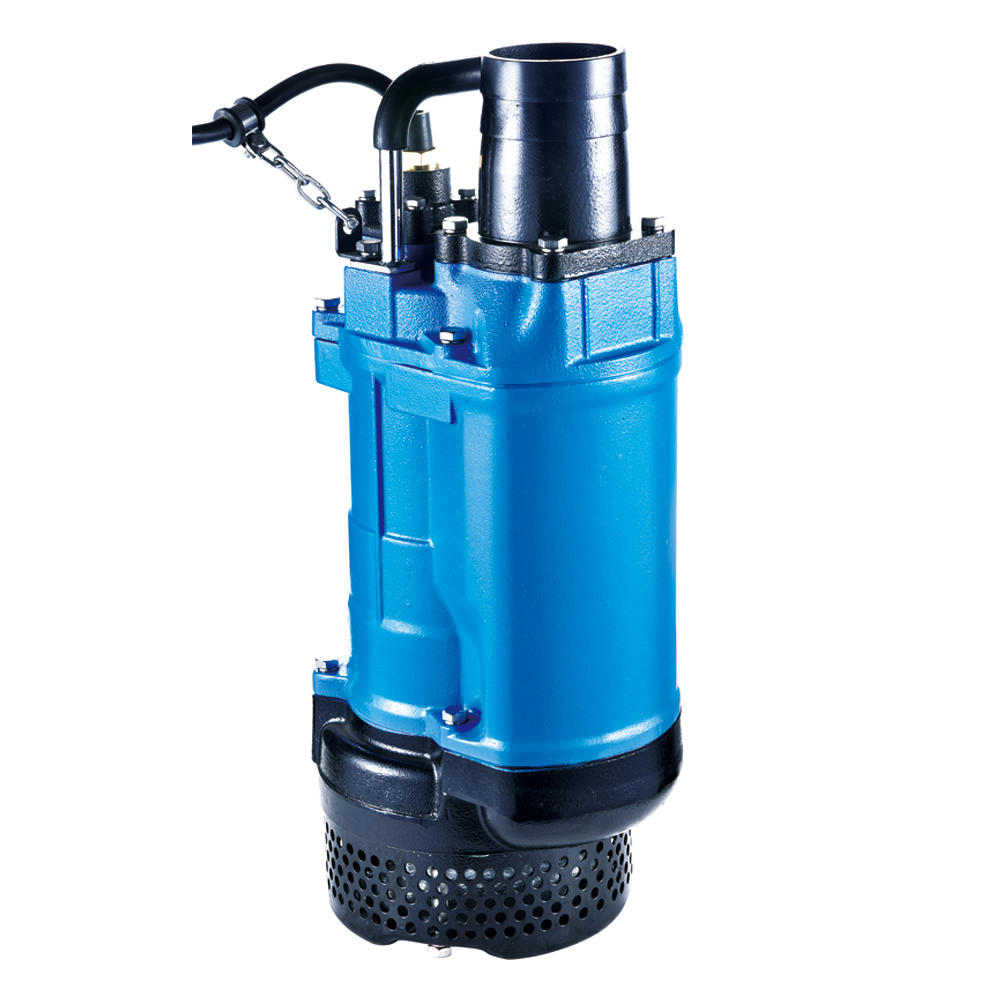
A submersible pump left in water too long without proper maintenance can lead to efficiency loss, corrosion, or even complete failure. This can cause unexpected downtime and costly replacements. The solution? Understanding the lifespan of submersible pumps and following best practices for maintenance to ensure long-term, reliable operation.
A submersible pump can stay in water indefinitely if it is designed for continuous operation and properly maintained. Factors such as submersible pump quality, materials, and usage conditions affect longevity. Choosing a reliable submersible pump supplier ensures durability and optimal performance.
Want to maximize your submersible pump’s lifespan and avoid costly failures? Let’s explore the key factors that determine how long a submersible pump can stay in water.
How Long Can You Leave a Submersible Pump in Water?
A high-quality submersible pump can remain submerged in water for years, as it is specifically designed for underwater operation. However, the exact duration depends on factors such as build quality, environmental conditions, and maintenance.
Material and Build Quality – Pumps made from corrosion-resistant stainless steel or thermoplastic materials last longer. A low-quality pump may degrade quickly, leading to leaks or motor failure.
Sealing and Insulation – Proper sealing prevents water from entering the motor, extending the pump’s lifespan. If seals degrade, water ingress can cause motor burnout.
Water Conditions – Clean water environments prolong pump life, while debris, sediment, or chemicals can accelerate wear.
Usage and Maintenance – Regular inspection, cleaning, and lubrication keep the pump in optimal condition. Ignoring maintenance can lead to premature failure.
Power Supply Stability – Voltage fluctuations or power surges can damage internal components, shortening the pump’s lifespan.
By selecting a high-quality pump from a trusted submersible pump supplier and performing regular maintenance, you can ensure a long service life.
Can a Submersible Pump Run 24 Hours a Day?
Yes, many submersible pumps are designed for continuous operation, but certain factors determine whether they can run 24/7 without issues.
Pump Type – Continuous-duty submersible pumps are built to run non-stop, while intermittent-duty pumps require breaks to prevent overheating.
Cooling Mechanism – Some pumps use water as a cooling agent. If the water level drops or circulation is insufficient, the pump may overheat.
Motor Efficiency – High-efficiency motors handle prolonged use better, reducing energy consumption and wear.
Workload – Running a pump at its maximum capacity continuously can lead to faster wear. Operating within recommended limits prolongs its lifespan.
Preventive Maintenance – Even continuous-duty pumps require regular checks to clean debris, inspect seals, and ensure proper function.
A high-quality pump from a reputable submersible pump supplier will have a longer lifespan, even under continuous operation. However, following manufacturer guidelines is essential for safe and efficient performance.
Summary
A well-maintained, high-quality submersible pump can stay in water for years and even run continuously. Choosing a reliable submersible pump supplier ensures durability and optimal performance.