How Does a Solar Water Pump Work?
A solar water pump is an innovative system that converts sunlight into electrical energy to drive a water pump. The process begins when solar panels capture sunlight through photovoltaic (PV) cells, producing direct current (DC) electricity. This electricity either powers the pump directly (in DC systems) or is converted to alternating current (AC) using an inverter (in AC systems).
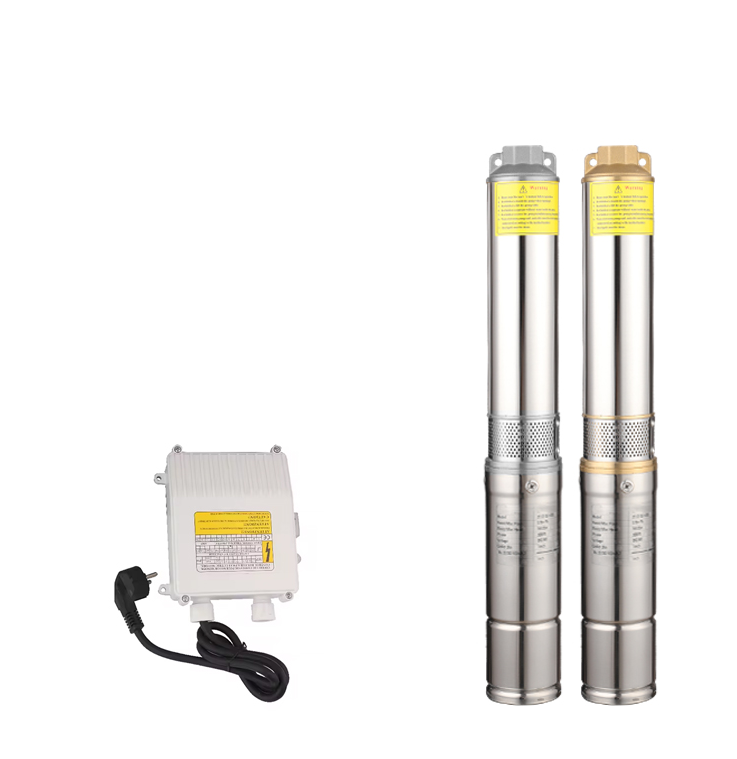
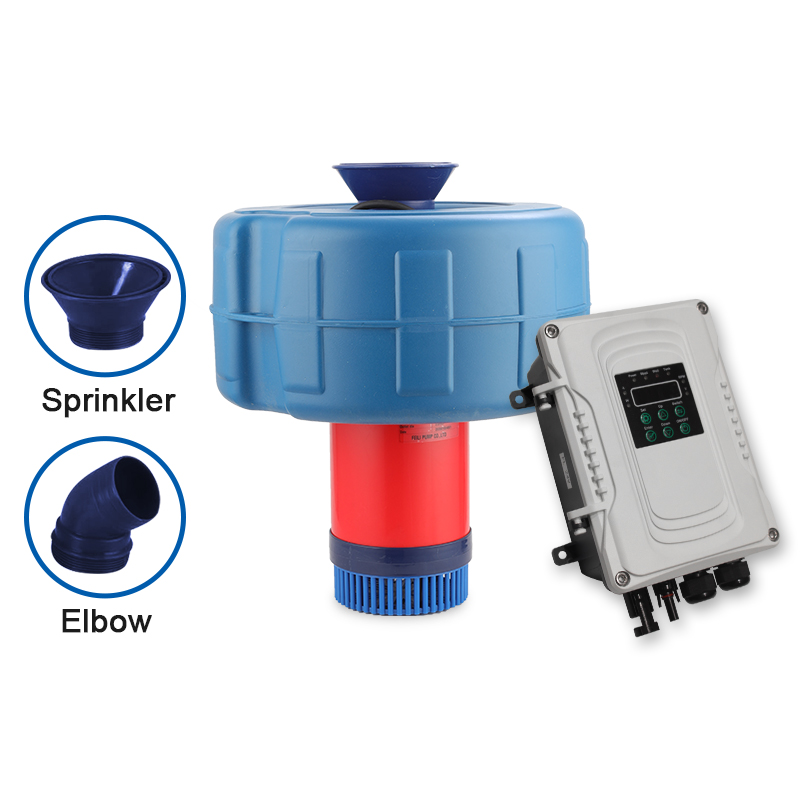
The pump then lifts water from a source such as a borehole, river, or storage tank and delivers it to the required location. Deep well pumps are used for underground water extraction, while surface solar pumps are ideal for shallow water sources. Some setups include a controller that regulates voltage and protects the pump from electrical surges or low sunlight conditions.
Because the system runs entirely on solar power, users experience significant energy savings compared to diesel or electric-powered pumps. With minimal maintenance and no recurring fuel costs, solar water pumps are both eco-friendly and economical.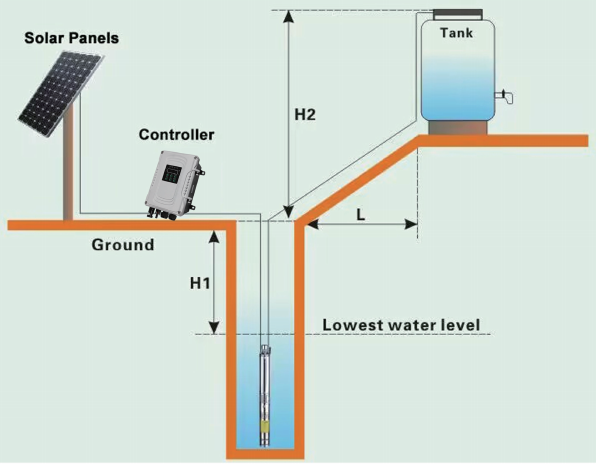
What Are the Disadvantages of Solar Water Pumping?
While solar water pumps are highly efficient and environmentally friendly, they also have some disadvantages worth considering. The most significant limitation is their dependence on sunlight. On cloudy or rainy days, system performance decreases because solar panels generate less power. This makes consistent water flow challenging in areas with limited sunshine.
Another drawback is the higher initial cost of installation. Although prices have dropped in recent years, purchasing solar panels, controllers, and deep well pumps still requires an upfront investment. However, the cost is often offset over time through energy savings and reduced maintenance.
In addition, water pumping capacity may be limited depending on the available sunlight and system size. Larger water needs—like irrigation for big farms or industrial use—might require more panels or hybrid systems with backup generators. Lastly, maintenance of solar panels in dusty or humid regions requires regular cleaning to maintain efficiency.
Despite these challenges, most users find that the long-term benefits of reliability, energy savings, and sustainability outweigh the disadvantages.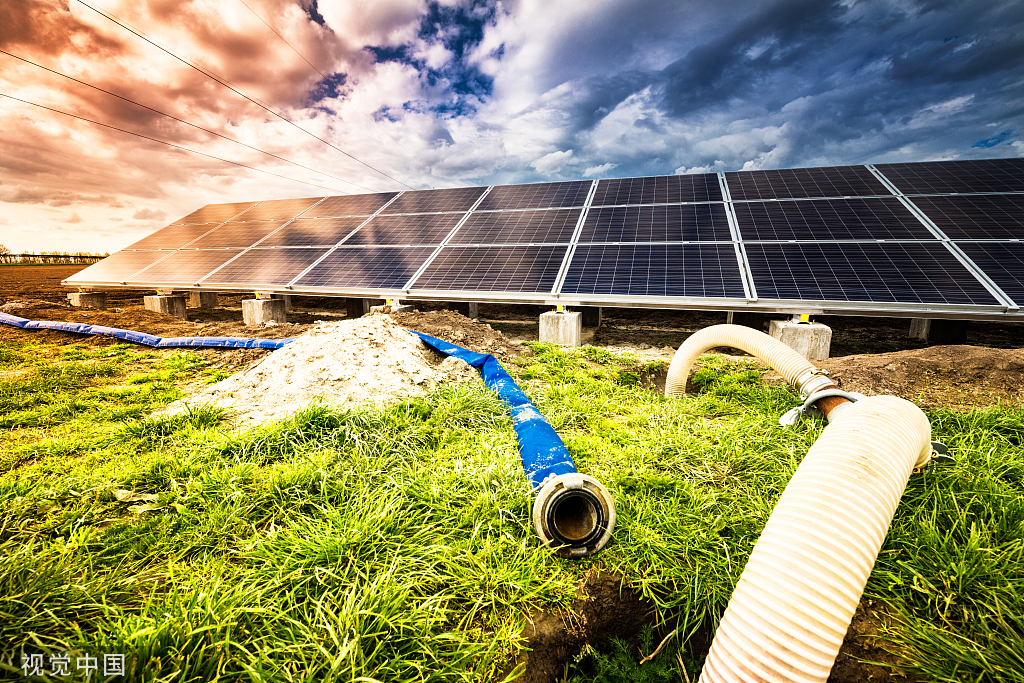
How Many Solar Panels Do I Need to Run a Water Pump?
The number of solar panels needed to run a solar water pump depends on several factors: pump size (wattage or horsepower), daily water demand, sunlight availability, and overall system efficiency.
As a general rule, the power output of your solar panels must meet or exceed your pump’s energy requirement. For example, a 1 horsepower (HP) pump typically requires around 750 watts of power. However, considering efficiency losses from weather or conversion, you would need around 1,000 to 1,200 watts of solar panels — usually 4 to 6 standard panels rated at 250–300 watts each.
For deep well pumps, which require more power to lift water from greater depths, the number of solar panels may increase to 8 or more depending on well depth and water volume.
It’s also important to factor in sunlight hours. Locations with long sunny days need fewer panels compared to regions with shorter daylight periods. For better reliability, many systems include a controller or battery backup to store excess power for use during cloudy days.
In short, accurately sizing your solar array ensures consistent performance, greater energy savings, and longer pump life.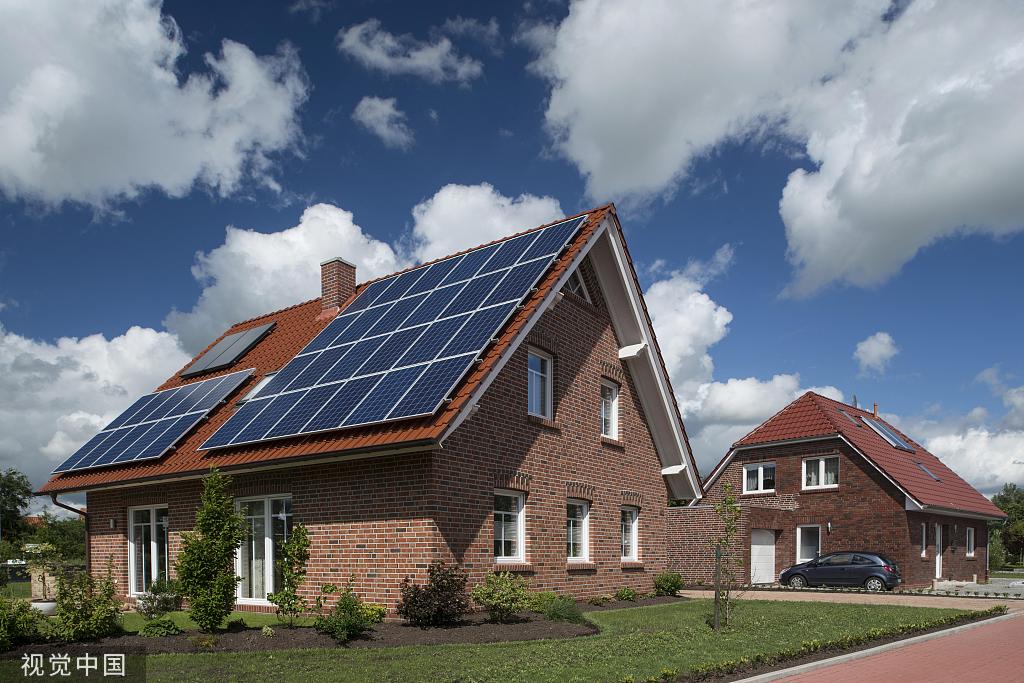
How Far Can a Solar Pump Push Water Horizontally?
The horizontal distance a solar water pump can push water depends on several key variables, including pump capacity, pipe diameter, total head (vertical lift), and system power. In general, solar pumps can push water horizontally anywhere from 100 meters to over 2,000 meters, depending on the setup.
For small-scale systems like garden or livestock watering, the horizontal distance may range between 100–500 meters. For deep well pumps or larger solar pumping systems, it’s possible to achieve distances over 1–2 kilometers with proper design and sufficient solar panel capacity.
However, as the distance increases, friction losses within the pipe also increase, requiring more power to maintain water pressure. To reduce losses, it’s advisable to use larger-diameter pipes and minimize sharp bends or elevation changes.
System designers often calculate both the vertical head (height water must be lifted) and the horizontal distance to determine total dynamic head (TDH). A properly sized solar water pump and solar array will ensure smooth operation even across long distances.
With efficient planning, solar-powered pumps can effectively supply water to distant storage tanks, agricultural fields, or livestock stations—providing a sustainable and independent water source.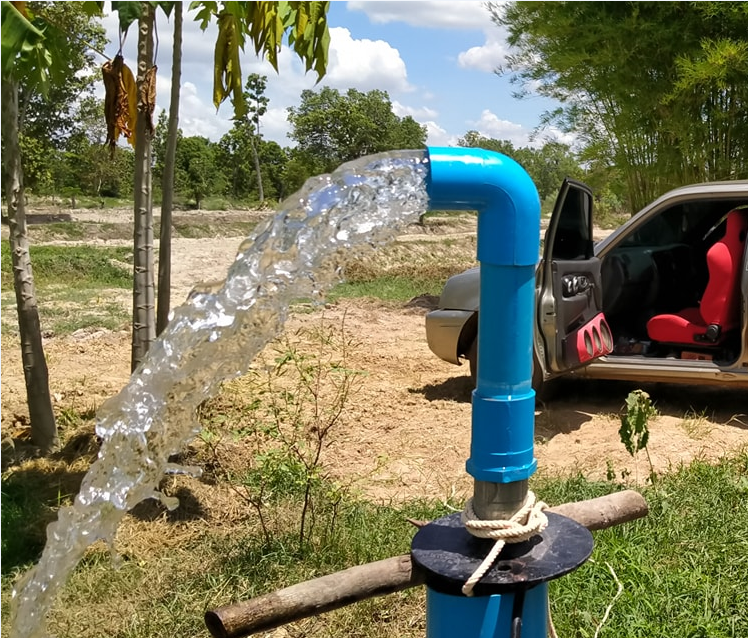
Why Choose a Solar Water Pump?
There are several strong reasons to choose a solar water pump over traditional pumping methods. Firstly, it offers exceptional energy savings, using sunlight as its free and renewable power source. This eliminates dependency on expensive grid electricity or diesel fuel. Secondly, solar pumps are environmentally friendly, producing zero emissions while reducing carbon footprints.
They also provide operational independence, particularly valuable in remote or off-grid locations where electricity access is limited. Deep well pumps powered by solar energy are especially effective for rural areas, irrigation systems, and livestock watering. With no moving fuel engines, the system operates quietly and requires minimal maintenance.
In addition, solar water pumps are scalable—whether you need a small household water solution or a large agricultural setup, you can easily expand your solar array as your demand grows.
Ultimately, choosing solar technology represents not just a cost-saving decision, but a long-term investment in sustainable resource management.

Conclusion: A Smarter Way to Pump Water
In conclusion, solar-powered water pumps work by harnessing energy from the sun through solar panels to operate efficient pumping systems that deliver reliable water supply without fuel or electricity costs. Although they come with some limitations—like dependence on sunlight and higher initial investment—the long-term advantages in energy savings, low maintenance, and sustainability make them an excellent choice for modern water management.
From deep well pumps for agriculture to compact solar systems for domestic use, these pumps are redefining how water is accessed and distributed across the globe. By investing in a well-designed solar pumping system, users can enjoy clean, efficient, and independent water supply—powered entirely by nature