How can solar panels be used for water pumps?
Many areas face unstable electricity and costly fuel, interrupting water supply. This affects farming and livelihoods. A solar water pump powered by solar panels offers a clean energy solution.
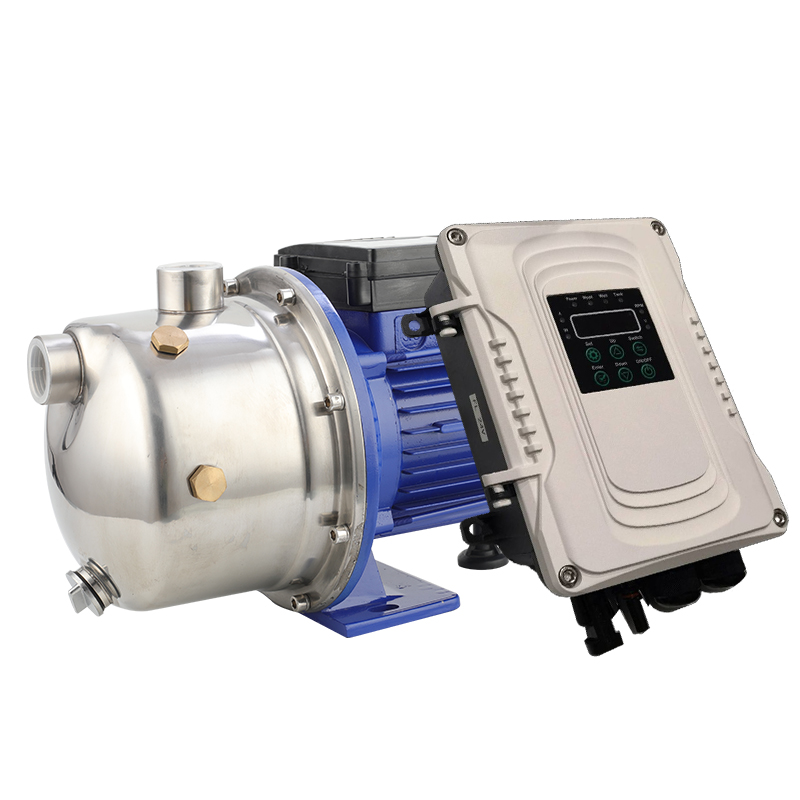
Solar panels convert sunlight into electricity to power a solar water pump, enabling water supply without relying on grid electricity or fuel. The system includes solar panels, a controller, and a pump that lifts water from wells, rivers, or tanks. Using clean energy, it ensures reliable irrigation, livestock watering, and household water access in remote regions.
Let’s explore how solar panels efficiently power water pumps and what you should know before choosing this clean energy solution.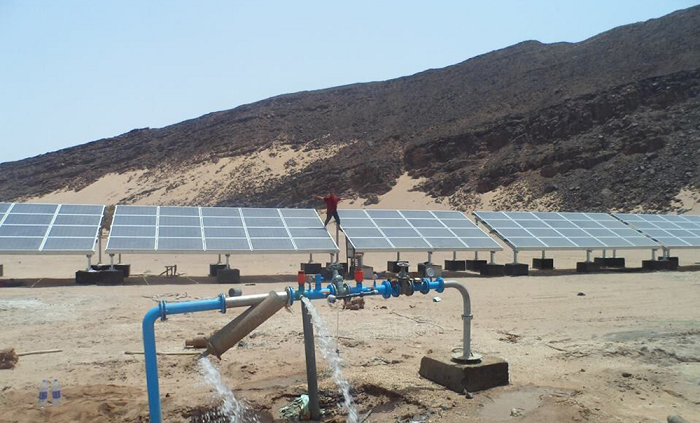
How many solar panels are needed to run a water pump?
The number of solar panels required to operate a solar water pump depends on several factors: the pump’s power rating (in watts or horsepower), the available sunlight hours, and the efficiency of your solar panels.
For example, a 1 horsepower (HP) water pump typically requires around 750 watts of power. If you’re using 250-watt solar panels, you’ll need at least three panels to run the pump under optimal sunlight conditions. However, real-world conditions such as cloudy weather, voltage drops, and energy conversion losses should be factored in—so it’s best to include a 20–30% energy margin.
If your solar water pump operates all day or in regions with shorter sunlight duration, adding extra panels will ensure stable performance. Pairing the system with a solar controller and battery storage helps manage voltage fluctuations and keeps the pump running smoothly even during cloudy hours. By designing your solar panel setup correctly, you’ll achieve a dependable, cost-effective, and clean energy water solution.
What is the 33% rule for solar panels?
The 33% rule for solar panels is a practical guideline used by solar energy professionals to account for system inefficiencies. It suggests that approximately 33% of the energy produced by solar panels is lost due to factors such as heat, dust accumulation, cable resistance, and inverter inefficiency.
In simpler terms, if your solar panels are rated to generate 1,000 watts under perfect conditions, you can realistically expect around 670 watts of usable power. This rule is essential when designing a solar water pump system because it ensures you don’t underestimate the power needs.
When planning your setup, always add about one-third more capacity than the pump’s actual energy requirement. For example, if your water pump needs 900 watts, install solar panels capable of producing 1,200 watts. This ensures your solar water pump operates efficiently throughout the day, even under non-ideal sunlight. Applying the 33% rule guarantees consistent water flow and reliable clean energy performance across different weather conditions.
How to run a water pump with solar panels?
Running a water pump with solar panels involves connecting several components to create a reliable solar-powered water system. The main parts include solar panels, a solar charge controller, an inverter (if using an AC pump), and the water pump itself.
Here’s how it works: solar panels capture sunlight and convert it into DC electricity. This electricity flows to the controller, which regulates voltage and protects the pump from electrical surges. If you’re using a DC solar water pump, it can connect directly to the panels through the controller. If you have an AC pump, the inverter converts DC power into AC power before running the pump.
Water is then lifted or circulated from your source—whether a borehole, river, or storage tank. For continuous operation, consider integrating battery storage or a hybrid backup system, which allows your solar water pump to run even during cloudy days or at night. Regular cleaning of solar panels ensures optimal performance and consistent energy output.
By combining efficient solar panels with a durable water pump, you’ll achieve a long-lasting, eco-friendly water solution that reduces energy costs and supports sustainable development.
Solar panels empower water pumps with reliable clean energy, ensuring sustainable, cost-effective water access for irrigation, livestock, and daily use