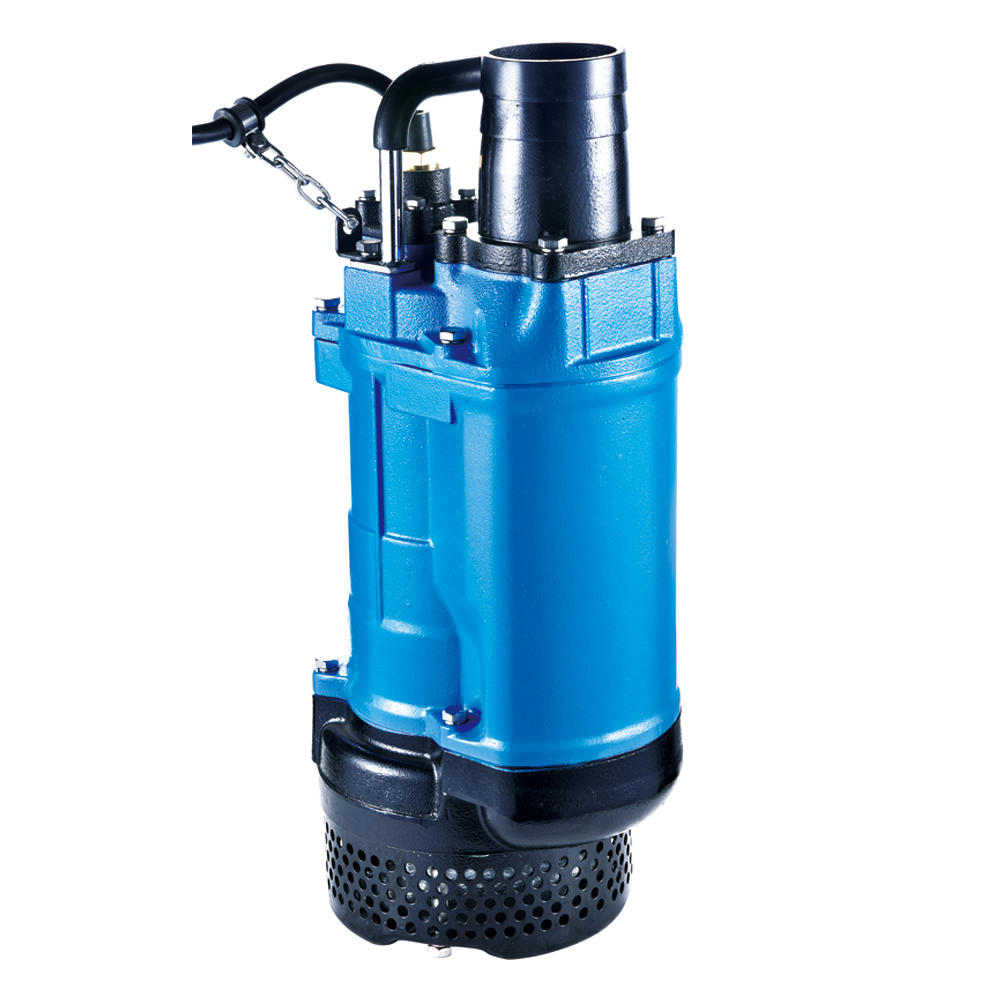
When a borehole water pump runs dry, hidden damage occurs, leading to costly failures and water shortages; understanding causes and solutions helps prevent pump damage.
Dry-running of borehole pumps happens when a submersible water pump operates without sufficient water. This condition causes overheating, rapid wear, and severe pump damage. Using protection devices and proper system design is the best solution to prevent pumps from running dry.
To protect long-term water supply systems, it is essential to understand dry-running risks in detail.
Is It Bad for a Submersible Pump to Run Dry?
Yes, it is extremely bad for a submersible pump to run dry, and it is one of the most common causes of premature water pump failure. Submersible pumps are designed to operate fully submerged in water, which serves two critical functions: cooling the motor and lubricating internal components. When the pump run dry, these protective functions disappear immediately.
Without water, friction and heat build up rapidly inside the pump. Bearings, mechanical seals, and impellers experience abnormal wear, which can lead to deformation or seizure. In deep well and borehole applications, this damage often happens out of sight, making it difficult for operators to detect the problem until the pump completely fails. Even short periods of dry-running can reduce pump lifespan significantly.
For B2B buyers such as pump distributors and water supply project contractors, dry-running creates serious after-sales risks. Pump damage caused by dry operation is often excluded from warranty coverage, leading to disputes and customer dissatisfaction. This is why professional solutions—such as dry-run protection controllers, level sensors, or flow switches—are strongly recommended. Preventing a submersible pump from running dry is not optional; it is a fundamental requirement for reliable and long-lasting water pump systems.
What Happens When a Borehole Pump Runs Dry?
When a borehole pump runs dry, the damage process begins almost immediately. The first issue is loss of cooling. In normal operation, groundwater flowing around the pump motor absorbs heat and keeps temperatures within safe limits. Without water, motor temperature rises sharply, increasing the risk of insulation breakdown and electrical failure.
At the same time, internal hydraulic components suffer. Impellers and diffusers rely on water for smooth operation. When the pump run dry, increased friction causes vibration, noise, and accelerated wear. Mechanical seals, which prevent water from entering the motor, can crack or burn due to heat. Once seals fail, water intrusion during later operation may destroy the motor completely.
Dry-running also affects system performance. A borehole pump running dry delivers no water, causing pressure drops, system alarms, or shutdowns. In agricultural and industrial water supply systems, this interruption can halt production, damage crops, or disrupt daily operations. Over time, repeated dry-running cycles lead to irreversible pump damage and costly replacements.
For professional buyers, understanding what happens during dry-running highlights why monitoring solutions are essential. Low-water-level probes, borehole sensors, and intelligent controllers provide an effective solution by stopping the pump before damage occurs, protecting both equipment and reputation.
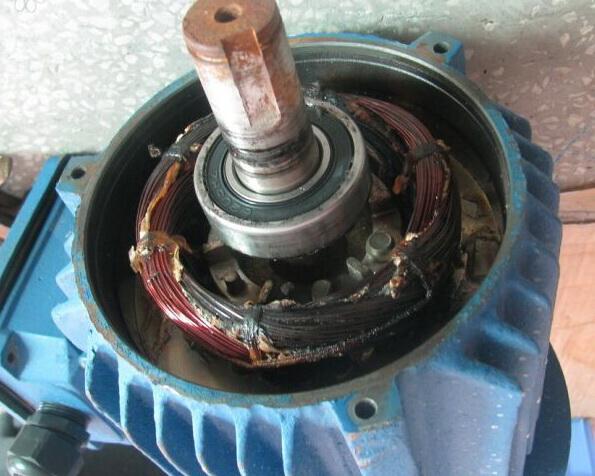
How Long Can a Pump Run Dry Before Damage?
The amount of time a pump can run dry before damage occurs is surprisingly short. In many cases, a submersible water pump can begin to suffer damage within seconds to a few minutes of dry operation. The exact time depends on pump design, motor power, materials, and ambient temperature, but the risk is always high.
Small domestic pumps may overheat faster due to limited thermal mass, while larger industrial pumps may tolerate slightly longer dry-running periods. However, even if the pump does not fail immediately, microscopic damage accumulates. Bearings may lose lubrication, seals may harden or crack, and motor insulation may weaken. These hidden issues often result in delayed failure days or weeks later, making the root cause difficult to identify.
In deep well systems, fluctuating groundwater levels increase dry-running risk. Seasonal changes, over-pumping, or improper borehole design can cause the water level to drop below the pump intake. Without protection, the pump will continue running dry unnoticed. For B2B buyers and project engineers, relying on operator reaction alone is not a reliable solution.
The most effective approach is prevention. Dry-run protection devices stop the pump automatically when water levels fall or flow is interrupted. Compared to the cost of pump damage and system downtime, these solutions are highly economical and essential for long-term water supply reliability.
Dry-running causes rapid pump damage, but proper monitoring and protection solutions ensure safe, reliable water pump operation in boreholes.