
Poor pump lubrication leads to damaged well pumps, costly downtime, and missed selling seasons. Without proper water pump maintenance, failures escalate. Clear lubrication guidance ensures reliable performance.
Most modern water well pumps do not require oil or grease because they use water-lubricated, sealed motors. However, certain components in surface pumps, bearings, and motors may need periodic lubrication depending on the pump type and design. Always follow manufacturer specifications to ensure correct pump lubrication and avoid failures.
Understanding lubrication needs helps buyers choose reliable pumps and prevent avoidable maintenance issues.
Do well pumps have oil in them?
Most deep well pumps used in B2B applications—such as submersible well pumps—do not require oil or grease because their motors are hermetically sealed and water-lubricated. Inside a modern well pump, the motor chamber contains dielectric fluid, not lubricating oil. This fluid cools the motor and protects electrical components, allowing the pump to run underwater without external pump lubrication.
For your clients—especially in Russia, Southeast Asia, Africa, and the Middle East—this design reduces the risk of contamination and simplifies water pump maintenance. Because there is no oil reservoir to monitor, downtime from oil leaks or lubrication failures is nearly eliminated.
Surface well pumps or shallow well jet pumps, on the other hand, may contain lubricated motor bearings. These bearings are usually sealed for life, meaning buyers do not need to open them or add grease. It is crucial for distributors and electromechanical service providers to understand these differences when sourcing well pumps. Clear communication about sealed systems helps prevent misunderstandings, reduces maintenance disputes, and improves customer satisfaction.
Which part of the water pump needs lubrication?
Lubrication needs depend on pump type—submersible, centrifugal, utility, effluent, or slurry pumps. Submersible deep well pump motors rarely require lubrication because their internal bearings are factory-sealed. In these pumps, the pumped water itself provides the cooling, and the internal motor fluid ensures bearing protection. As a result, end users do not interact with lubricants at all.
For centrifugal pumps and utility pumps often purchased by B2B wholesalers, the components that may require lubrication include:
- Motor bearings – In non-sealed motors, bearings may use grease or oil for smooth rotation.
- Pump shaft bearings – Some designs include grease fittings for periodic lubrication.
- Mechanical seals – Though not “lubricated” by oil, they rely on clean water flow for cooling and sealing.
Effluent pumps and slurry pumps may have specific lubrication systems due to heavier loads and abrasive media. These pumps sometimes feature external grease points to ensure long-lasting shaft and bearing performance.
As a manufacturer with steady pricing and strict quality control, ctt ensures that each pump type has clear lubrication instructions. This reduces communication issues—a major pain point for buyers like Alex—and prevents avoidable failures caused by incorrect maintenance practices.
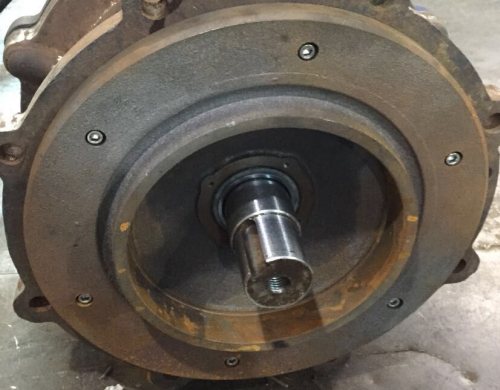
How often should pumps be lubricated?
The lubrication schedule varies widely depending on pump type, duty cycle, and operating environment. Submersible deep well pumps typically require no lubrication for their entire service life, as their internal components are permanently sealed. For B2B customers, this is a significant advantage: fewer service calls, fewer complaints, and less risk of performance issues.
Surface centrifugal pumps, frequently used in industrial or commercial settings, may require lubrication every 3–6 months, depending on motor design and workload. Bear in mind that over-lubrication is just as harmful as neglect, so following manufacturer instructions is essential.
Utility pumps and effluent pumps working in harsh or dirty environments may require more frequent inspection. If the motor has grease-able bearings, they should be serviced based on running hours—usually every 1000–2000 hours. In dusty climates or high-temperature regions like the Middle East, lubrication intervals may need adjustment.
For distributors, understanding pump lubrication requirements is part of offering professional support, building trust, and reducing warranty claims. At ctt, we design pumps with minimal maintenance needs to help buyers increase profits and avoid seasonal delays.
Correct pump lubrication ensures long-lasting, reliable performance and reduces maintenance risks for all water pump and well pump applications.


