Can a Submersible Pump Run on Solar Power?
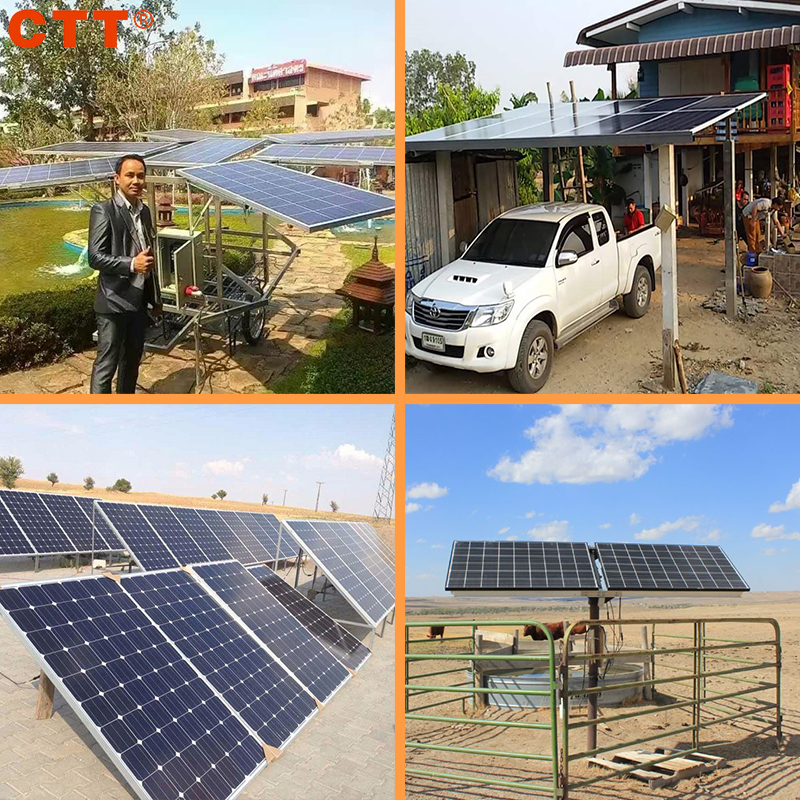
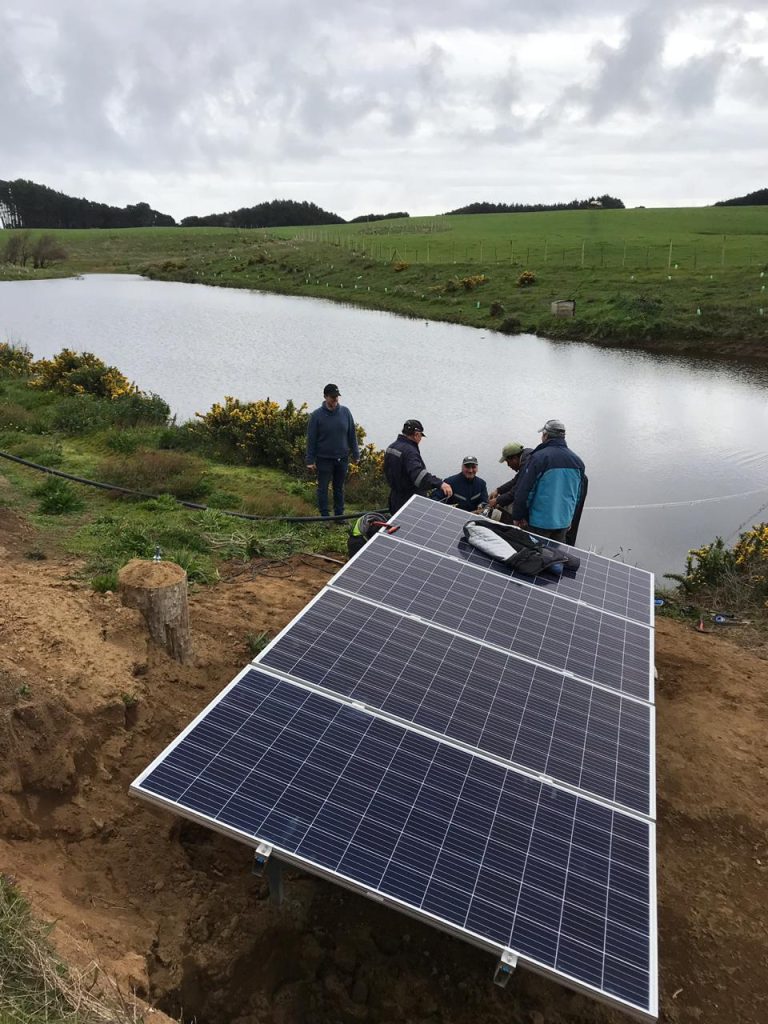
Yes, a submersible pump can indeed run on solar power. Solar panels capture sunlight and convert it into electrical energy, which can be used to power your pump. These solar-powered systems work by using photovoltaic (PV) cells to generate DC (direct current) electricity, which is ideal for operating submersible pumps. The use of solar power for submersible pumps is especially beneficial for locations without reliable grid access or areas where electricity costs are prohibitively high. By utilizing solar energy, you can operate your submersible pump without the need for expensive and often unreliable power grids, reducing both your environmental footprint and your monthly energy bills.
How Much Solar Panel is Required for a Submersible Pump?
The amount of solar panel capacity required for a submersible pump depends on several factors, including the pump’s power requirements, the amount of sunlight your location receives, and the system’s overall efficiency. Typically, the wattage of your submersible pump should be the main reference. For instance, if your pump requires 500 watts to run, you will need to install a solar panel array that can generate this amount of power. However, because solar panels do not always operate at full capacity (due to weather, time of day, etc.), you will need to factor in additional capacity for optimal performance. As a rule of thumb, a solar array of about 1.5 times the pump’s wattage is recommended to ensure that the system works effectively throughout the day

Can I Run a Pump Directly from a Solar Panel?
Running a submersible pump directly from solar panels without any intermediary components is not always advisable. The reason for this is that submersible pumps typically run on AC (alternating current) power, while most solar panels generate DC (direct current) power. To bridge this gap, you would need a solar inverter, which converts DC power from the panels into AC power that the pump can use. Additionally, the amount of energy generated by the panels fluctuates throughout the day depending on the intensity of sunlight, which can lead to inconsistent pump operation if no battery storage or power regulator is in place. Therefore, while it is possible to run a pump directly from solar power, it’s more practical to include an inverter and battery storage to ensure reliable and consistent performance.
How Many Solar Panels Do I Need to Run a 1HP Water Pump?
To run a 1HP (horsepower) water pump with solar panels, you will need a system that can generate at least 745.7 watts of power (since 1HP = 745.7 watts). However, in practice, to account for inefficiencies, you would likely need to install a solar array that can produce 1.5 to 2 times the pump’s wattage. Therefore, a 1HP pump would require approximately 1.1 to 1.5 kW of solar capacity. This typically translates to about 4 to 6 solar panels, depending on the panel’s wattage. For example, if each solar panel produces 250 watts, you would need around 5 solar panels to ensure the system works efficiently and provides enough energy to operate the pump, even on cloudy days or during periods of low sunlight.
Additional Considerations for Solar Submersible Pump Systems
When designing a solar-powered submersible pump system, several additional factors should be considered to ensure optimal performance. Firstly, the location of your solar panels is crucial. Solar panels need to be placed in an area that receives full sunlight for most of the day. You may also need to account for seasonal variations in sunlight. Next, make sure to choose a solar submersible pump that is well-suited for your specific needs—whether it’s for irrigation, water lifting, or other applications. Another important consideration is the battery storage. If you need the pump to run during off-peak hours or cloudy days, you’ll need to incorporate a battery bank to store the solar energy generated during the day for later use. Finally, ensure that the solar power system is properly sized to meet the demands of your pump without overloading the system.
Conclusion: A Sustainable and Cost-Effective Solution
In summary, yes, you can run a submersible pump using solar panels, and in many cases, it’s a more sustainable and cost-effective solution than relying on traditional grid power. Whether you’re running a water pump for irrigation, livestock watering, or another application, solar power provides a reliable, eco-friendly alternative. By determining the right number of solar panels, understanding your pump’s energy requirements, and including the necessary components (like inverters and battery storage), you can create a system that operates efficiently and reduces your energy costs in the long run. Embracing solar power for your submersible pump isn’t just a smart choice; it’s a step toward a more sustainable future