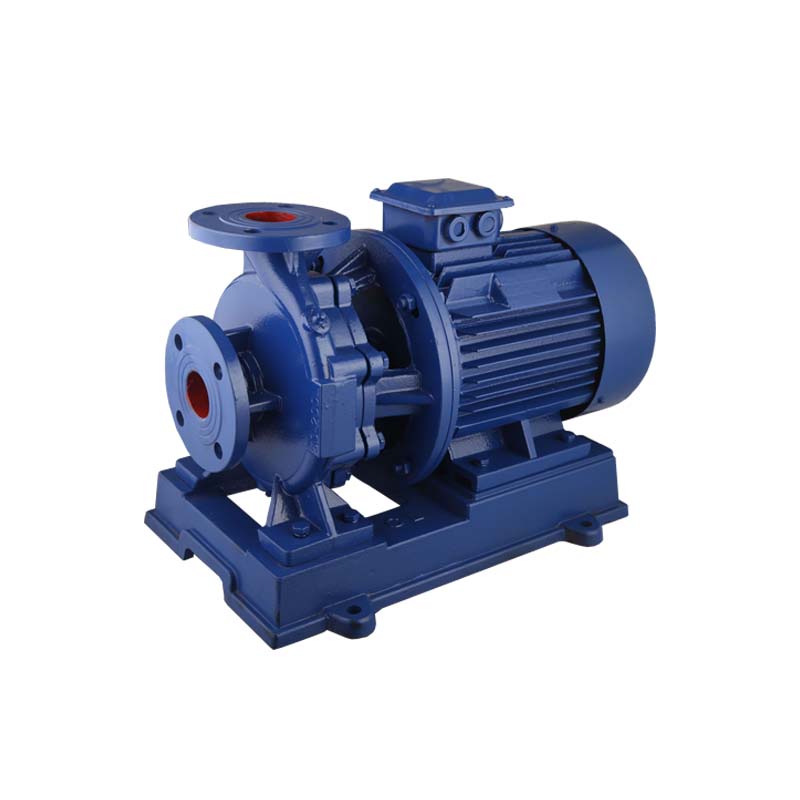
How does a solar agriculture pump save energy?
Rising energy costs and unreliable power limit farm productivity. Dependence on diesel or grid electricity increases expenses and emissions. A solar water pump uses free solar energy to cut costs and boost efficiency.
A solar agriculture pump saves energy by converting sunlight into electricity through solar panels. This clean power runs the pump efficiently, reducing fuel and grid dependence while lowering operational costs and environmental impact.
Let’s explore how solar pumps transform agriculture through sustainable energy savings, environmental benefits, and long-term financial returns.
What are the benefits of using a solar pump?
Using a solar pump offers multiple advantages for both small and large-scale farmers. The most significant benefit is cost reduction—since solar energy is free, operating costs are minimal after installation. Unlike diesel or electric pumps, which depend on expensive and sometimes unreliable energy sources, solar water pumps run directly on sunlight captured by solar panels.
This not only cuts fuel and electricity bills but also provides independence from the power grid, making water pumping reliable even in remote rural areas. Solar pumps are also eco-friendly, producing zero greenhouse gas emissions. Additionally, maintenance is simpler and less frequent compared to traditional pumps. Over time, the initial investment in solar panels pays off through substantial savings and stable water supply for irrigation, livestock, and daily farm use.
How does solar power save energy?
Solar energy is one of the most efficient and renewable energy sources available. When solar panels absorb sunlight, they convert it into direct current (DC) electricity using photovoltaic cells. This electricity then powers a solar pump, which moves water without relying on fossil fuels or external grid electricity.
By directly transforming sunlight into usable energy, solar systems bypass traditional power generation and transmission processes that waste significant energy. In contrast, fuel-powered generators and central power grids experience efficiency losses during energy production and delivery. A solar water pump eliminates these inefficiencies, ensuring that nearly all captured sunlight is converted into productive energy for pumping water.
Moreover, modern solar panels equipped with MPPT (Maximum Power Point Tracking) controllers continuously adjust output for optimal efficiency, even when sunlight fluctuates. This intelligent energy management system maximizes power use and minimizes waste—delivering truly sustainable, long-term energy savings for agricultural operations.
How can solar energy benefit agriculturalists?
Solar energy provides farmers with both economic and environmental advantages. For agriculturalists, consistent water access is vital, and a solar water pump ensures that irrigation remains stable even during power cuts or fuel shortages. Because solar panels generate energy directly from sunlight, they make farms more self-sufficient and reduce dependence on traditional energy suppliers.
Financially, solar pumps lower operational expenses by eliminating fuel costs and reducing maintenance needs. This allows farmers to reinvest savings into improving crop yields, expanding production, or adopting more efficient irrigation technologies like drip or sprinkler systems. Environmentally, switching to solar energy reduces carbon emissions, helping agricultural communities transition to greener, more sustainable practices.
Additionally, solar pumps can be scaled easily—from small systems for household gardens to larger units for commercial farms. Their adaptability makes them ideal for various agricultural applications, including livestock watering, greenhouse irrigation, and aquaculture. Ultimately, solar energy empowers farmers to achieve higher productivity while conserving natural resources and protecting the planet.
How do solar panels contribute to agricultural efficiency?
Solar panels are the foundation of every solar pump system, enabling the conversion of sunlight into electrical energy that drives the pump motor. The placement and quality of the panels directly influence the system’s performance. When installed correctly—facing optimal sunlight angles—solar panels provide consistent power, allowing solar water pumps to operate for several hours each day without interruption.
This efficiency means that farmers can plan irrigation schedules more accurately, ensuring crops receive water exactly when needed. The clean and renewable nature of solar energy also supports long-term sustainability goals, reducing environmental impact and protecting soil health by avoiding fuel leaks or emissions common with diesel pumps.
Modern systems even integrate smart controllers that monitor panel output, pump speed, and water flow, helping farmers optimize performance and detect issues early. With durable panels that last over 20 years, agricultural operations can maintain reliable, low-cost water pumping while promoting energy independence.
Why is solar energy the future of sustainable farming?
The agricultural sector faces growing pressure to produce more food while using fewer resources. Solar energy addresses this challenge by offering a sustainable, affordable, and scalable power solution. A solar water pump ensures farmers can irrigate fields, feed livestock, and maintain operations without relying on fossil fuels or unstable electricity grids.
Beyond direct savings, adopting solar panels also helps farms align with global sustainability goals. Many governments and organizations now support renewable energy transitions with incentives and subsidies, making solar pumps even more accessible. By embracing solar energy, agriculturalists not only cut energy consumption but also contribute to climate resilience and long-term resource conservation.
As technology continues to improve, solar water pumps will become even more efficient, affordable, and essential to modern agriculture. They represent a future where clean energy powers productivity, feeding communities while protecting the environment.
In summary, solar pumps harness free solar energy, saving costs, reducing emissions, and driving sustainable agricultural productivity worldwide.