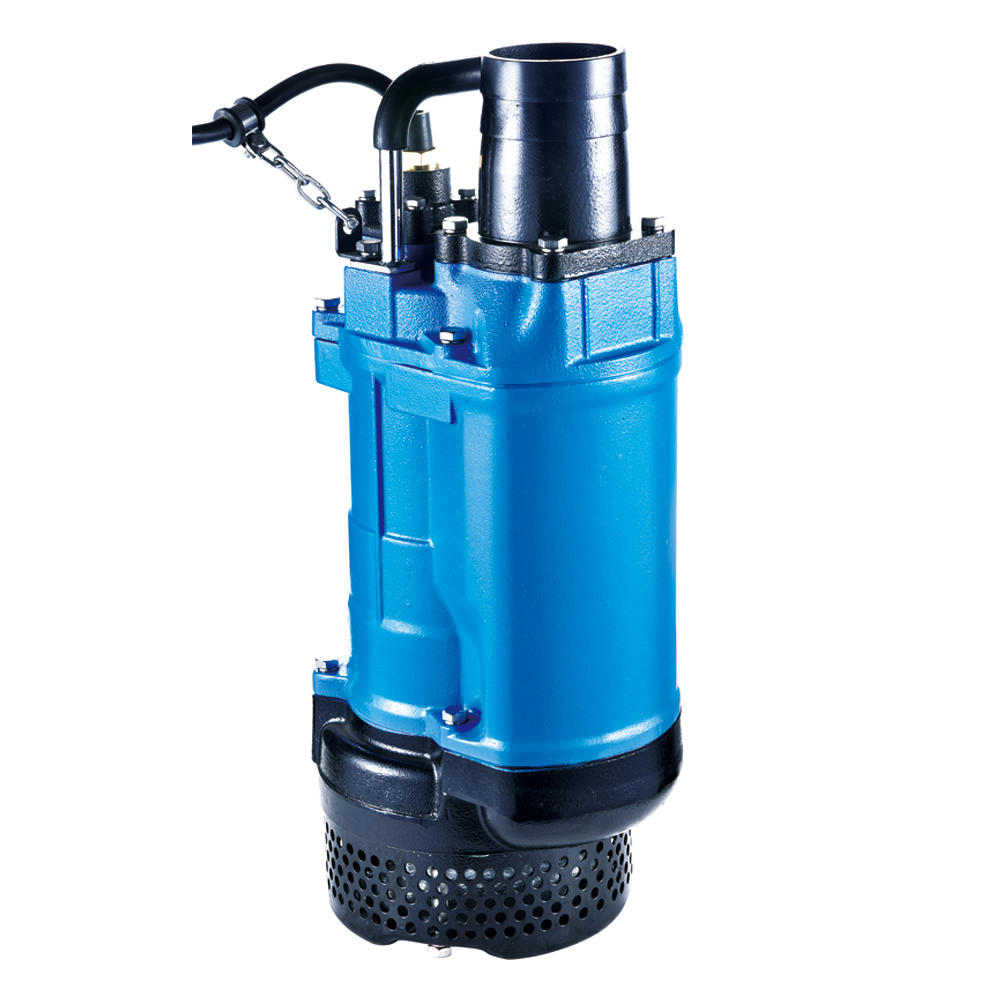
 How long will a borehole pump last?
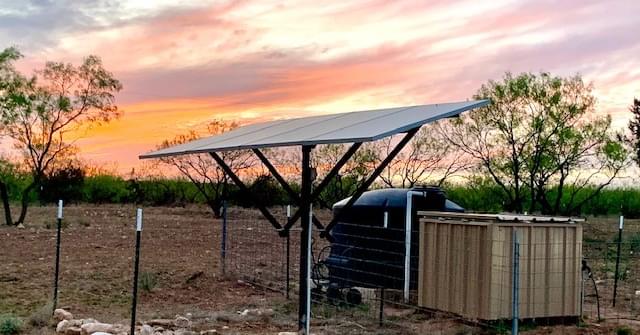 How long will a borehole pump last?
Unexpected pump failure disrupts water supply; lost business and costly downtime follow. Choosing a reliable borehole pump extends service life and protects investment.
A borehole pump can last 10 to 20 years depending on water quality, installation, usage patterns, and whether it is a deep well pump or submersible well pump.
Let’s explore pump lifespan, servicing needs, and usage limits in detail.
Can a borehole pump run continuously?
A borehole pump, especially a submersible well pump, is designed to operate for long periods, but continuous operation depends on system design. Pumps have duty cycles that prevent overheating and wear. A high-quality deep well pump can run for several hours at a time, but running 24/7 without rest shortens motor life.
Continuous running also depends on water source capacity. If water levels drop too low, the borehole pump risks cavitation or dry running, which can quickly cause irreversible damage. Modern systems include dry-run protection, pressure switches, and control boxes to prevent damage.
For industrial or agricultural applications where water demand is constant, a properly sized borehole pump with correct cooling and electrical supply can operate continuously. However, for domestic use, pumps typically cycle on and off to meet household needs, which preserves service life.
How often should a borehole pump be serviced?
Routine servicing is key to extending the lifespan of a borehole pump. Generally, a borehole pump should be serviced every 12 months, though the interval may vary based on water quality and usage. If the water contains sand, silt, or minerals, maintenance may be required more frequently.
Service checks usually include inspecting the motor, checking electrical connections, measuring flow rates, and cleaning filters or screens. For submersible well pumps, service may involve pulling the pump out of the borehole, which requires specialized lifting equipment. This is why preventative maintenance is recommended before problems occur.
Professional servicing ensures that bearings, seals, and impellers are functioning properly, preventing costly breakdowns. For agricultural and industrial users who rely on a deep well pump for daily operations, regular servicing avoids unexpected downtime and protects return on investment.
How long can you run a well pump without damaging it?
The safe operating time for a well pump depends on pump type, water yield, and system design. A submersible well pump installed correctly in a deep well can run continuously for several hours without damage, as long as water levels remain stable and the pump has sufficient cooling.
Running beyond the well’s natural recharge rate risks running the pump dry, which causes overheating and severe wear. Most modern borehole pumps include thermal overload protection and dry-run sensors to automatically shut down if unsafe conditions occur.
For domestic systems, pumps typically operate in cycles of a few minutes at a time, controlled by a pressure switch and pressure tank. For irrigation systems, a borehole pump may run several hours daily without issues, provided that it is correctly sized. In general, respecting manufacturer recommendations and ensuring proper installation will allow a well pump to operate safely and extend its lifespan to 10–20 years.
Conclusion: Ensuring long service life with the right partner
A borehole pump can last decades when used correctly, serviced regularly, and matched to your water needs. Whether you require a deep well pump for large-scale irrigation or a submersible well pump for reliable household supply, quality and support matter.
At FEILI PUMP CO., LTD (ctt), we manufacture durable borehole pumps and submersible pumps designed for long service life and stable performance. With three production lines and export experience across Russia, Southeast Asia, Africa, and the Middle East, we provide steady pricing and excellent after-sales service. Contact us to source pumps you can trust.