Would a Solar Water Pump Work in a Tower Garden?
Problem: Tower gardens fail when pumps lose power; this leads to poor circulation and plant loss. Solution: A stable solar water pump keeps nutrients flowing reliably.
A solar water pump can work in a tower garden if the system matches the required flow rate, head height, and daily runtime. Proper sizing and battery backup ensure consistent nutrient circulation, even in low-sun conditions.
Discover how solar pumps perform, their limits, and how to choose the right model for tower gardens.
What is the weakness of a solar water pump?
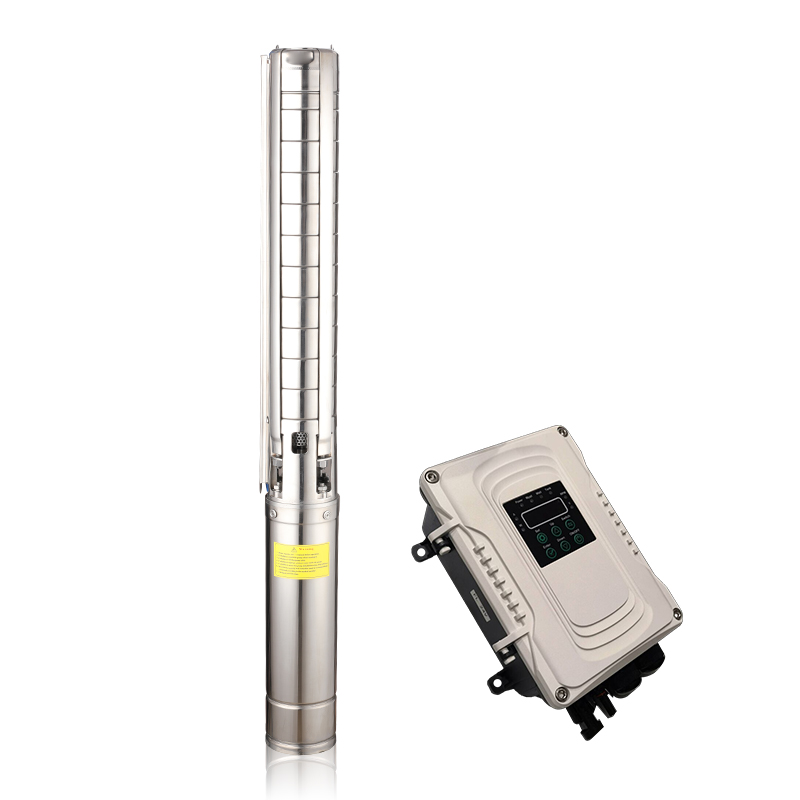
Solar water pumps—whether small circulation pumps or larger borehole water pump systems—depend entirely on sunlight. This means that in low-light or winter seasons, pump output drops sharply. For tower gardens, inconsistent flow results in nutrient imbalances and dry root zones. Another weakness is limited pressure: compared to a submersible borehole pump powered by AC electricity, most solar pumps generate lower head heights, which can be an issue for tall towers. Without a battery, they stop immediately when clouds pass.
From a B2B sourcing perspective, buyers must also check solar panel durability, controller stability, and long-term spare-parts supply. Working with a borehole pumps manufacture that offers stable pricing, OEM support, and reliable after-sales service—like CTT—helps avoid supply interruptions and quality issues. When properly sized and matched with a small battery, a solar water pump becomes highly reliable for tower garden circulation.
How far can a solar pump push water?
The distance—or “head height”—a solar pump can push water depends on motor power, sunlight intensity, and pump design. Small solar water pumps used for garden towers usually push water 1–3 meters, enough for most vertical hydroponic systems. Larger systems such as solar borehole water pumps or submersible borehole pumps can reach 20–120 meters, but those are typically used for wells, irrigation, and agricultural projects.
For tower gardens, what matters is ensuring the pump can maintain a consistent vertical lift even on cloudy days. When sourcing B2B, buyers should check the pump curve, solar controller specs, and panel wattage. CTT’s solar pump series maintains steady output thanks to optimized motor efficiency, ensuring the water reaches the top of the tower with minimal fluctuation. Proper flow prevents nutrient stratification and ensures uniform plant growth across all levels.
How often should a tower garden pump run?
A tower garden depends on constant nutrient circulation. Generally, the pump should run 15 minutes on, 15 minutes off, or operate continuously during daylight hours, depending on the crop type and environmental conditions. Leafy greens thrive with near-constant flow, while fruiting crops tolerate interval cycling.
If using a solar water pump, consistency becomes the challenge. Without a battery, the pump stops during cloudy periods, which risks root drying—especially in hot climates. Adding a small 12V battery or selecting a pump with built-in energy storage solves this problem. Many commercial buyers sourcing solar pumps for hydroponic towers request a matched solar-pump-controller kit from the borehole pumps manufacture to ensure stable daily runtime. This prevents crop loss and minimizes complaints from downstream customers.
Can you use a solar pump for hydroponics?
Yes—solar pumps are widely used in hydroponics, including NFT systems, deep-water culture, and tower gardens. Their biggest advantages are low operating cost, easy installation, and independence from grid electricity. For agricultural businesses or distributors in regions with unstable power supply—Russia, Southeast Asia, Africa, and the Middle East—solar water pumps provide a reliable alternative.
The key is proper sizing. Hydroponic systems require steady flow, not high pressure. A compact solar water pump with a 2–3 meter head is usually enough. For commercial setups or outdoor towers, a slightly stronger model—similar in design to a submersible borehole pump but optimized for low-head circulation—ensures stable nutrient movement. When ordered from a factory like CTT, buyers can request OEM branding, exclusive pricing, and stable supply for their market. This helps distributors avoid price wars and maintain profitable margins.