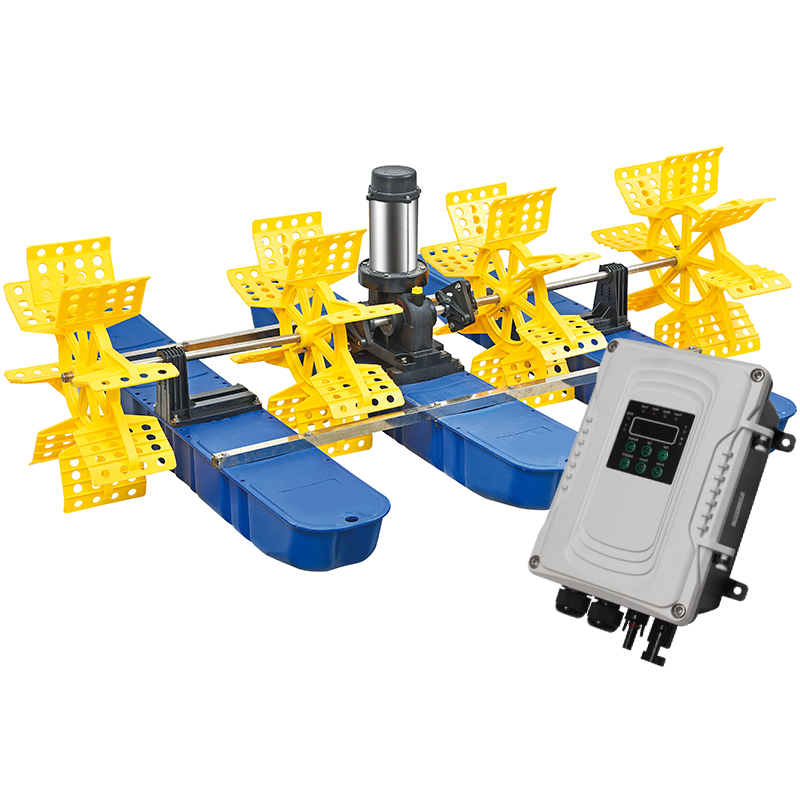
Nothing is more frustrating than installing a new water pump only to see it fail soon after—causing downtime, lost profits, and maintenance costs. Let’s uncover the real reasons.
A new water pump can fail due to improper installation, air leaks, misalignment, electrical issues, or poor maintenance. Even high-quality pumps require correct setup and regular inspection to ensure proper pump function and efficiency. Understanding the causes helps prevent future failures and guarantees long-lasting water pump performance.
If your new pump failed too soon, keep reading to discover the main causes and practical solutions for prevention.
Why did my new water pump fail?
It’s easy to assume that a brand-new water pump should run flawlessly from day one, but several factors can cause premature failure. The most common issue stems from improper water pump installation. Misalignment between the motor and the pump shaft can generate excessive vibration, leading to seal leakage and bearing wear. Air trapped inside the suction line can also cause the pump to lose its prime, resulting in dry running—one of the quickest ways to destroy internal components.
Another frequent cause is incorrect system design or sizing. When a pump is forced to operate outside its best efficiency point (BEP), excessive pressure or cavitation can occur, damaging impellers and seals. Inadequate power supply or unstable voltage can further stress the motor, shortening its service life. Even the highest-quality pump will fail if the working conditions are mismatched with the model’s intended use.
Finally, lack of proper maintenance after installation contributes to early breakdowns. Failure to tighten fasteners, check seals, or lubricate bearings after the initial run-in period can lead to leaks or overheating. A quick inspection schedule after installation can help avoid these early-life failures.
What is the most common cause of pump failure?
Among all possible reasons, mechanical seal failure is the leading cause of water pump breakdowns. The mechanical seal prevents leakage between the rotating shaft and stationary pump housing, and when it fails, fluid escapes, pressure drops, and the pump overheats. Most seal failures trace back to improper installation, dry running, or contamination from debris in the water.
Cavitation, another common culprit, occurs when the liquid inside the pump turns into vapor due to low pressure. These vapor bubbles collapse violently against internal surfaces, eroding impellers and causing vibrations. Cavitation not only reduces pump efficiency but also shortens the pump’s operational lifespan.
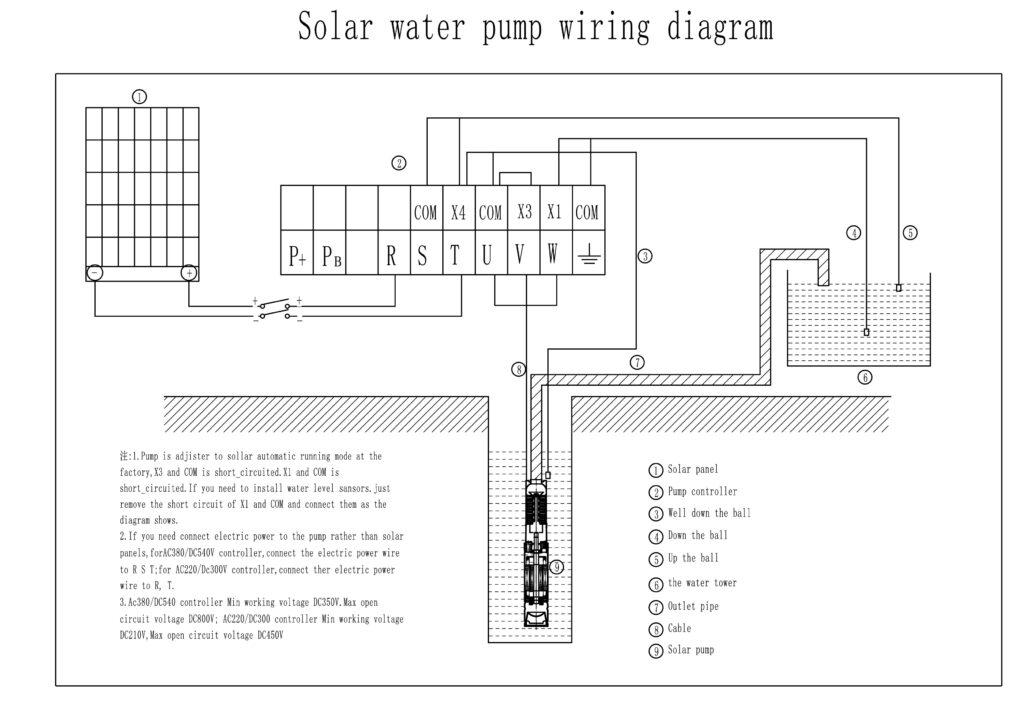
Electrical problems are another frequent cause. Overloaded motors or incorrect wiring can lead to overheating or sudden motor burnout. Using the correct voltage and ensuring tight electrical connections are essential for stable pump function. In many cases, preventive maintenance—including monitoring temperature, vibration, and power consumption—can identify these issues before they cause total failure.
To sum up, the majority of pump failures are avoidable with correct setup, good suction conditions, and consistent monitoring. For industrial users and distributors, emphasizing installation training and regular checks ensures fewer warranty claims and happier customers.
What to do after installing a new water pump?
The moment installation is complete, your attention should shift toward proper start-up and post-installation inspection. Before running the pump, check all connections for leaks, ensure that the suction line is fully primed, and verify that the rotation direction matches the motor’s label. Running a dry pump, even for a few seconds, can instantly damage seals and bearings.
Once the pump begins operation, observe the system pressure, flow rate, and vibration levels. Any abnormal sound or fluctuation might indicate misalignment or trapped air. Record these baseline readings—they serve as valuable references for future maintenance checks.
After several hours of operation, tighten bolts, inspect the mechanical seal for leakage, and clean filters or strainers. These small steps prevent the most common early-life failures. For long-term water pump maintenance, establish a schedule that includes regular lubrication, vibration checks, and electrical inspections.
For distributors or service providers, educating end users about correct water pump installation and maintenance can reduce return rates and improve client trust. Proper training and documentation not only extend pump life but also build brand reliability.
Proper installation, monitoring, and maintenance are the keys to preventing new water pump failures and ensuring long-term performance.