Which Pump Is Best, a Jet Pump or a Submersible Pump?
Choosing between a jet pump and a submersible pump depends on the water source, installation depth, required flow rate, efficiency requirements and application conditions. Submersible pumps are usually preferred for deep wells, while jet pumps are suitable for shallow water sources and easy maintenance.
Jet pumps and submersible pumps are both commonly used for groundwater supply, irrigation and residential water systems. However, they work differently and have different advantages. A jet pump is installed above the water source and uses suction to draw water, while a submersible pump operates underwater and pushes water directly to the surface. For deep wells, high efficiency and long-term operation, submersible pumps are generally the better choice.
Selecting the right water pump is an important decision for homeowners, farmers, installers and pump distributors. Choosing the wrong pump type can lead to low water pressure, high energy consumption, frequent maintenance and reduced service life. Understanding the differences between jet pumps and submersible pumps helps you make a more reliable choice for each application.
What is the difference between a jet pump and a submersible pump?
The main difference between a jet pump and a submersible pump is their installation position and pumping method.
A jet pump is installed above ground, usually near the water source. It creates suction pressure to pull water through a pipe from a well, tank or other source. Because it depends on suction, its effective pumping depth is limited.
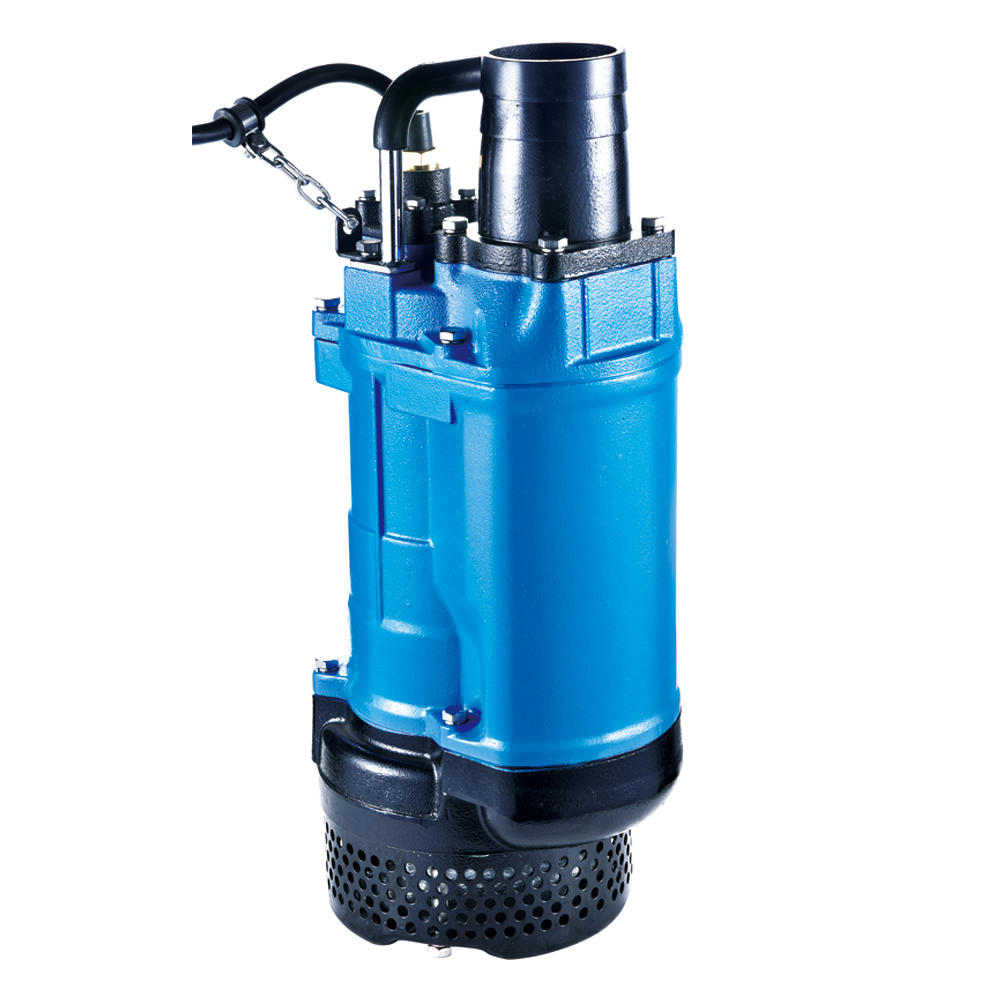
A submersible pump is installed directly inside the water source, such as a borehole, well, tank or reservoir. Instead of pulling water upward, it pushes water toward the surface using a submerged motor and pump assembly.
The basic differences include:
| Feature | Jet Pump | Submersible Pump |
|---|---|---|
| Installation | Above ground | Installed underwater |
| Pumping method | Suction | Direct pushing |
| Suitable depth | Shallow wells | Deep wells |
| Noise level | Higher | Lower |
| Efficiency | Lower for deep applications | Higher |
| Maintenance access | Easier | Requires removal from well |
| Energy consumption | Higher | Lower |
For shallow water applications, jet pumps can provide a practical solution. However, for modern water supply systems requiring reliable performance, submersible pumps are often the preferred choice.
Which pump is better for a deep well?
For deep wells, a submersible pump is usually the best choice.
A deep well requires the pump to lift water over a significant vertical distance. Jet pumps become less efficient as the suction depth increases because atmospheric pressure limits how far they can pull water.
Submersible pumps solve this problem by operating below the water level. The motor drives the impellers underwater, pushing water upward through the discharge pipe.
Advantages of submersible pumps for deep wells include:
- Higher hydraulic efficiency
- Stable water pressure
- Lower energy consumption
- Better performance at greater depths
- Reduced risk of losing suction
For example, agricultural boreholes, commercial water supply systems and solar pumping projects commonly use deep well submersible pumps because they can operate efficiently at depths that jet pumps cannot handle.
CTT deep well submersible pumps are designed for borehole applications where reliable water delivery, high efficiency and long operating life are required.
Are submersible pumps more efficient than jet pumps?
Yes, in most deep-water applications, submersible pumps are more efficient than jet pumps.
The main reason is that submersible pumps push water instead of pulling water.
A jet pump must create suction pressure to lift water. As the suction distance increases, energy losses increase and pump efficiency decreases.
A submersible pump works underwater, which eliminates suction limitations and reduces hydraulic losses.
Higher efficiency means:
- Lower electricity consumption
- Reduced operating costs
- Better performance with solar power systems
- Longer motor life
This is particularly important in agricultural irrigation and solar water pumping systems, where energy efficiency directly affects operating expenses.
For solar pumping applications, submersible pumps are especially common because solar systems produce limited power, and maximizing every watt of energy is critical.
Which pump provides higher water pressure?
Both jet pumps and submersible pumps can provide good water pressure when correctly selected. However, submersible pumps generally provide more stable pressure for high-demand applications.
Water pressure depends on:
- Pump head capability
- Flow requirement
- Pipe size
- Installation depth
- System design
A submersible pump installed in a deep well can maintain consistent pressure because it continuously pushes water from below.
Jet pumps may experience reduced performance when:
- The suction pipe is too long
- The water level drops
- Air enters the suction line
- The pump is undersized
For residential water supply, irrigation systems and commercial applications requiring stable pressure, submersible pumps usually provide better performance.
Which pump requires less maintenance?
A jet pump is easier to access because it is installed above ground.
Maintenance tasks such as:
- Checking electrical connections
- Replacing a capacitor
- Inspecting the motor
- Cleaning components
can usually be performed without removing the pump.
However, jet pumps have more exposed components, including:
- Suction pipes
- Foot valves
- Priming systems
These parts may require regular attention.
A submersible pump requires more effort to remove because it is installed inside the well. However, once properly installed, it typically requires less frequent maintenance because:
- It is protected underwater
- It has fewer external components
- It is not affected by suction problems
- It operates in a stable environment
For professional installations, a high-quality submersible pump can provide years of reliable operation with minimal maintenance.
Which pump is better for agricultural irrigation?
For agricultural irrigation, submersible pumps are often the preferred solution, especially when water comes from:
- Deep wells
- Boreholes
- Underground water sources
Farm irrigation systems require:
- Continuous operation
- Reliable flow rate
- Efficient energy use
- Long service life
Submersible pumps are suitable for:
- Drip irrigation
- Sprinkler irrigation
- Greenhouse irrigation
- Livestock water supply
For farms without access to grid electricity, solar submersible pumps are also widely used. These systems combine solar panels, controllers and submersible pumps to provide an independent water supply solution.
Jet pumps may still be suitable for small farms with shallow wells, but they become less practical when higher flow rates or deeper water sources are required.
Are jet pumps or submersible pumps better for solar water systems?
For solar water pumping systems, submersible pumps are generally the better option.
Solar pumping systems require maximum energy efficiency because solar power availability changes throughout the day.
Submersible solar pumps offer several advantages:
- High efficiency motor design
- Direct water lifting from deep wells
- Lower power consumption
- Compatibility with MPPT controllers
- Reliable daytime operation
Typical applications include:
- Remote villages
- Agricultural irrigation
- Livestock watering
- Off-grid water supply
A solar submersible pump system can provide automatic operation without fuel costs or grid electricity, making it suitable for areas with abundant sunlight but limited infrastructure.
When should you choose a jet pump?
A jet pump can be a suitable choice when:
- The water source is shallow
- Easy maintenance is important
- The required flow rate is moderate
- The installation budget is limited
Typical applications include:
- Small residential water systems
- Garden irrigation
- Shallow wells
- Water transfer from tanks
The main advantage of jet pumps is accessibility. Since the pump is above ground, inspection and repair are easier.
However, users should carefully consider the limitations of suction depth and energy efficiency before choosing this type of pump.
When should you choose a submersible pump?
A submersible pump is recommended when:
- The water source is deep
- Continuous operation is required
- High efficiency is important
- Stable pressure is needed
- The application involves boreholes
Common applications include:
- Deep well water supply
- Agricultural irrigation
- Solar pumping systems
- Industrial water supply
- Municipal projects
For most professional water supply applications, submersible pumps provide better long-term value because of their efficiency, reliability and performance.
Conclusion: Which pump is the best choice?
The best pump depends on your specific application.
Jet pumps are suitable for shallow wells and simple water systems where easy access and low initial cost are important.
Submersible pumps are generally the better choice for deep wells, agricultural irrigation, solar pumping and commercial water supply systems because they provide higher efficiency, better reliability and stable performance.
For distributors, installers and engineering companies, understanding the differences between these two pump types helps ensure correct product selection and reduces installation problems.
CTT Pump provides a complete range of water pumping solutions, including deep well submersible pumps, solar water pumps, sewage pumps and centrifugal pumps for residential, agricultural and industrial applications.
FAQ
How deep can a jet pump work?
Most jet pumps are suitable for shallow wells. Deep-well jet pumps can reach greater depths, but their efficiency decreases compared with submersible pumps.
How long does a submersible pump last?
A quality submersible pump can typically provide many years of service when properly selected, installed and maintained.
Is a submersible pump more expensive than a jet pump?
The initial cost of a submersible pump may be higher, but its lower energy consumption and reliable operation often make it more economical over its lifetime.
Can I replace a jet pump with a submersible pump?
Yes. Many systems can be upgraded from jet pumps to submersible pumps to improve efficiency and water supply performance. The well size, electrical system and flow requirements should be checked before replacement.