What Is the Most Preferred Motor Used in Water Pumping?
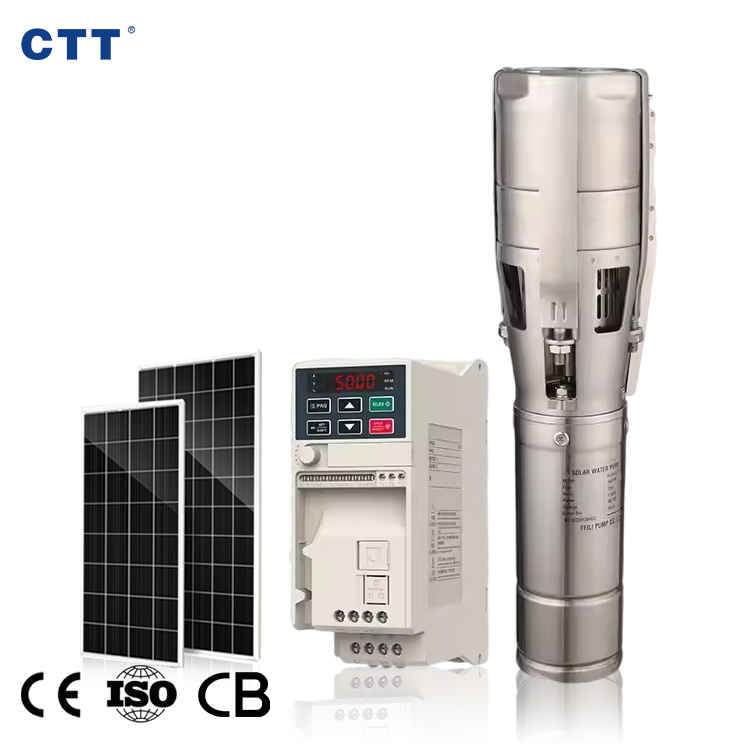
The most preferred motor for modern solar water pumps is the DC brushless motor (BLDC). This type of pump motor is highly efficient, durable, and optimized for direct DC input generated by solar panels. BLDC motors have minimal frictional loss, low heat generation, and high power-to-weight ratios, making them ideal for continuous water lifting applications such as farmland irrigation, livestock watering, and rural water supply.
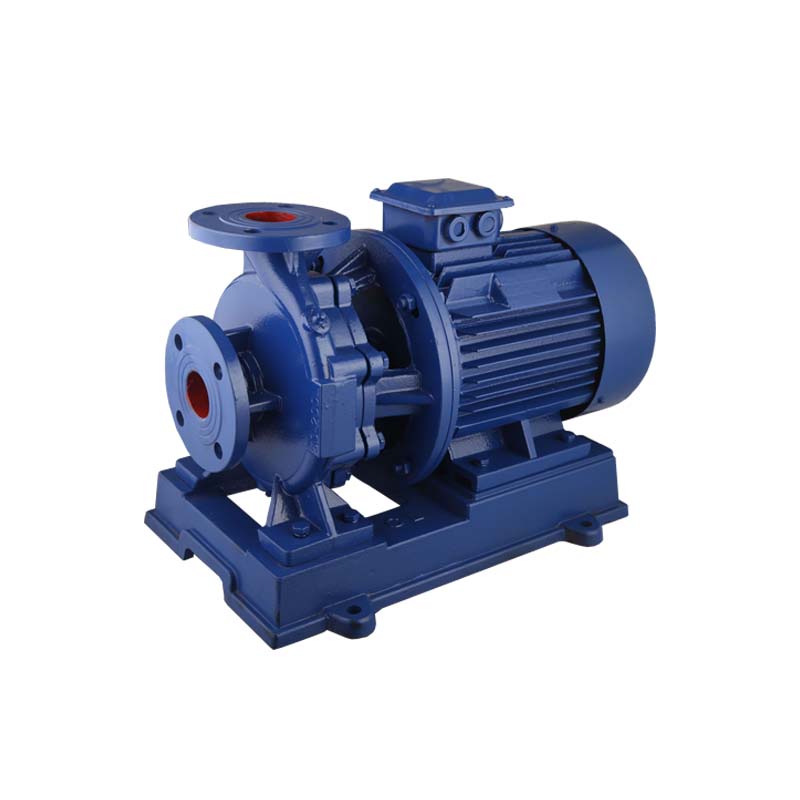
For traditional AC-powered systems, the induction motor is widely used due to its simplicity, reliability, and cost-effectiveness. However, induction motors require AC current, meaning solar systems must include an inverter. This increases system cost and introduces energy loss during DC-to-AC conversion.
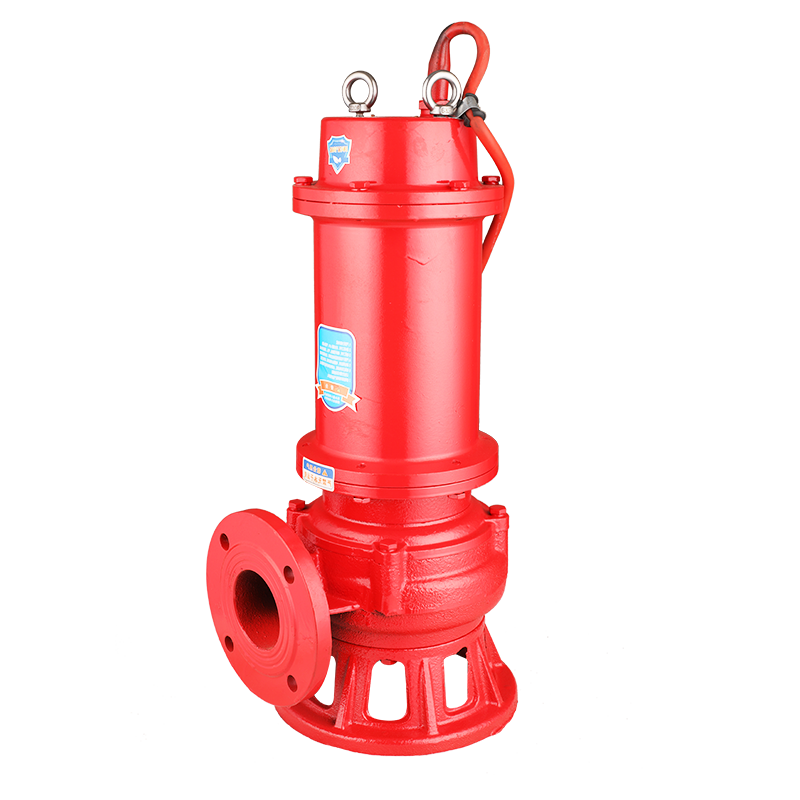
In contrast, DC motors start easily even under low sunlight and operate with significantly higher efficiency. They consume less power and deliver high torque, making them perfect for submersible solar water pump systems and shallow well applications. For users seeking maximum efficiency and long-term savings, DC motors remain the top choice.
However, for heavy-duty high-flow applications such as municipal supply or deep irrigation, AC pump motors combined with Solar AC&DC pump technology offer more power flexibility and broader compatibility. Both motor types have their advantages, but DC motors dominate in efficiency, especially in off-grid solar pumping.
How Many Solar Panels Are Required for Running a 3 HP Motor Pump?
A 3 HP pump motor requires a substantial amount of power, making correct solar sizing essential for stable performance. A 3 HP pump generally consumes approximately 2,200 to 2,400 watts under operating load. However, due to solar fluctuations, cable losses, and controller inefficiencies, you must apply the 33% rule for solar panel sizing.
Using this rule:
Pump load: 2,400W
Required solar capacity: 2,400W × 1.33 ≈ 3,200W
Therefore, you need around 3 kW to 3.3 kW of total solar panels to run a 3 HP pump motor effectively.
This typically translates to:
8 pcs of 400W panels, or
10 pcs of 330W panels
Your solar setup must also include:
A high-capacity MPPT controller
A 3 kW or higher-rated inverter for AC motors
Proper surge protection
For DC solar water pumps, the inverter is omitted, increasing system efficiency by 10–15%. However, for large-capacity pumps like 3 HP, many users choose AC pump motors because they offer higher flow rates and broader compatibility with existing irrigation networks.
Environmental conditions also affect performance. Regions with strong sunlight require fewer panels, while cloudy or low-irradiation regions may need additional solar capacity. Proper design ensures that even high-power pump motors operate smoothly throughout the day.
Which Solar Pump Is Better, AC or DC?
The answer depends on your application, budget, and performance priority. Both AC solar pumps and DC solar pumps have important advantages, and understanding them helps you select the best option for your solar water pump system.
DC Solar Pump (DC Motor)
DC solar pumps are considered the most efficient option. Their pump motor matches the DC output of solar panels, eliminating energy loss from conversion. Benefits include:
Higher efficiency (up to 92%)
Low starting current, ideal for weak sunlight
Longer lifespan due to minimal heat buildup
Simple system design (no inverter needed)
Lower overall operating cost
These pumps are suitable for:
Domestic water supply
Garden irrigation
Shallow boreholes
Livestock watering
Remote off-grid applications
However, DC pumps usually support lower capacities compared to AC motors. Large 5 HP or 7.5 HP systems are rare in DC versions.
AC Solar Pump (AC Motor)
AC motors dominate in high-power systems. They are used in Solar AC&DC pump systems, where an inverter converts DC solar power into AC. Advantages include:
High power range (1HP to 40HP and above)
Compatibility with traditional irrigation systems
Easy replacement for existing electric pumps
Strong torque, suitable for deep wells and long pipe runs
AC systems suit:
Large farms
Deep boreholes
Community water supply
Commercial irrigation
The downside is that AC systems have lower efficiency because energy is lost during DC-to-AC conversion through the inverter. They also require a larger solar panel array.
Which is better overall?
For maximum efficiency and low sunlight operation → DC solar pump
For high horsepower and heavy-duty applications → AC solar pump
Most small- and medium-sized B2B buyers prefer DC systems, while large distributors selling high-flow irrigation pumps choose AC systems.
Conclusion: Choosing the Best Motor for Solar Water Pumping
The best motor for a solar water pumping system is the DC brushless motor because of its exceptional efficiency, low starting power requirements, and direct compatibility with solar panels. However, for high-capacity applications requiring strong torque and heavy flow output, AC motors integrated into Solar AC&DC pump systems remain the more practical choice.
When sizing a system, especially for large motors like 3 HP, proper solar panel calculation—using the 33% rule—is essential to ensure continuous and stable operation.
Whether you choose AC or DC, a well-designed solar water pumping solution provides long-term reliability, low operating cost, and sustainable performance for irrigation, domestic supply, and industrial use