What Are the Best Pumps for the Mining Industry?
Mining pumps work in some of the harshest pumping conditions in industry. Abrasive solids, sludge, sand, acidic water and continuous operation can quickly destroy a pump that was designed only for clean water.
The best pumps for the mining industry are heavy-duty slurry pumps, submersible dewatering pumps, sludge pumps and centrifugal process-water pumps. The correct choice depends on whether the pump handles abrasive slurry, mine water, tailings, sediment or relatively clean process water. Wear resistance, solids handling, head and flow are critical selection factors.
There is therefore no single “best mining pump.” The right answer starts with the material being pumped and the job the pump must perform.
What Types of Pumps Are Used in Mining?
Mining operations use several pump types because water and solids must be moved through very different stages of the operation.
The most common categories include:
- Heavy-duty slurry pumps
- Submersible dewatering pumps
- Sludge pumps
- Vertical slurry pumps
- Centrifugal process-water pumps
- High-head mine drainage pumps
Heavy-duty slurry pumps are widely used for mineral processing, mill discharge, cyclone feed, tailings transport and other abrasive slurry duties. Metso, for example, lists mining, mineral processing, hydrocyclone feed, tailings and in-plant slurry transfer among typical applications for horizontal slurry pumps. citeturn595443search0turn595443search14
Mine dewatering is a different application. Here, pumps are primarily responsible for removing groundwater, rainwater and process water from pits, shafts and underground workings so that mining can continue safely.
The liquid being pumped should therefore determine the pump design—not simply the required horsepower.
What Is the Best Pump for Mining Slurry?
For abrasive mining slurry, a heavy-duty slurry pump is normally the best choice.
Slurry is a mixture of liquid and solid particles. In mines and mineral-processing plants, those solids may include:
- Crushed ore
- Sand
- Coal particles
- Tailings
- Mineral concentrates
- Rock fines
Unlike ordinary clean-water centrifugal pumps, slurry pumps are designed to tolerate severe abrasion. KSB defines slurry pumps as centrifugal pumps for fluids containing highly abrasive solids such as ore, coal, slag and mining suspensions. citeturn595443search21
Horizontal heavy-duty slurry pumps are commonly used for applications such as:
- Mill discharge
- Cyclone feed
- Tailings transfer
- Concentrator plants
- Mineral processing
- Slurry pipelines
KSB identifies SAG and ball mill circuits, mill discharge, cyclone feed, screens, hydraulic transport and pipeline booster stations as typical mining slurry-pump duties. citeturn595443search3
For these applications, the material of the wet-end components is extremely important. High-chrome alloys, abrasion-resistant materials and replaceable wear parts can substantially extend service life compared with ordinary cast-iron water pumps.
What Is the Best Pump for Mine Dewatering?
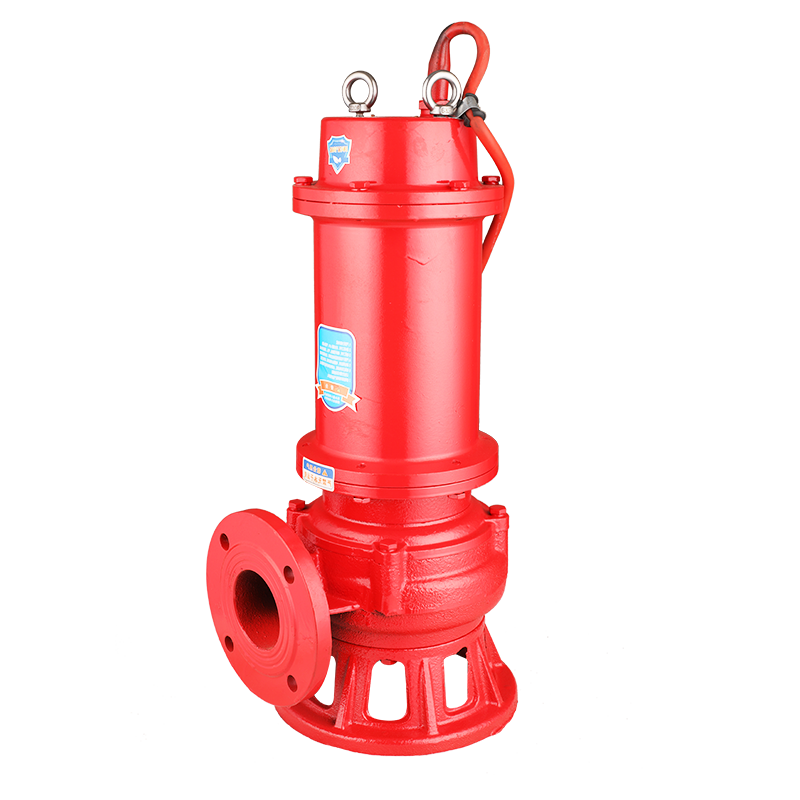
For mine dewatering, a heavy-duty submersible dewatering pump is often one of the most practical choices.
Water continuously enters open-pit and underground mines through:
- Groundwater infiltration
- Rainfall
- Drilling activities
- Process-water leakage
- Surface runoff
If this water is not removed efficiently, working areas can flood and mining activity may have to stop.
Dewatering pumps are used specifically to lower and control water levels. KSB notes underground mining as a typical dewatering application, where water entering mine workings must be pumped back to the surface. citeturn595443search5
Submersible pumps are especially useful because they can be installed directly in:
- Mine sumps
- Drainage pits
- Underground collection areas
- Open-pit drainage points
They do not require a conventional suction line because the pump operates underwater.
For dirty mine water containing limited amounts of sand or suspended particles, a robust submersible dewatering pump can provide a good balance between portability, high head and resistance to demanding operating conditions.
What Is the Difference Between a Slurry Pump and a Dewatering Pump?
This distinction is extremely important in mining applications.
A dewatering pump is primarily designed to move water, although heavy-duty versions may tolerate some sand, sediment or suspended solids.
A slurry pump, on the other hand, is designed to transport mixtures containing substantial quantities of abrasive solids.
For example:
If a mine sump contains mostly groundwater with a small amount of sand, a dewatering pump may be appropriate.
If the pump must continuously transport crushed ore and water from a mineral-processing circuit, a heavy-duty slurry pump is normally required.
Using a standard dewatering pump for extremely abrasive slurry may result in:
- Rapid impeller wear
- Volute wear
- Reduced hydraulic performance
- Increased maintenance
- Premature pump failure
Likewise, installing a large slurry pump for a relatively clean drainage application may unnecessarily increase the initial investment and energy consumption.
Correct pump selection starts with understanding the solids concentration and particle characteristics.
When Should You Use a Submersible Slurry Pump?
Submersible slurry pumps are useful when abrasive solids have settled at the bottom of a sump, pit or pond and need to be pumped together with the liquid.
Typical applications include:
- Mine sumps
- Settling ponds
- Tailings areas
- Mineral-processing pits
- Sand removal
- Sludge removal
One challenge is that heavy particles naturally settle. A normal submersible pump may remove the water while leaving most of the solids behind.
For this reason, some submersible slurry pumps use an agitator near the suction inlet.
The agitator disturbs settled material and mixes particles back into suspension before they enter the pump. This allows sand, sludge and mineral solids to be pumped rather than accumulating around the sump.
For applications with high solids concentration or heavy sedimentation, an agitator-type submersible slurry pump can therefore be significantly more effective than a conventional drainage pump.
What Is a Vertical Slurry Pump Used for in Mining?
Vertical slurry pumps are commonly installed in pits, sumps and tanks where the pump casing operates in the slurry while the motor remains above the liquid.
They are useful when:
- The liquid contains abrasive particles
- Solids regularly settle in the sump
- Dry motor installation is preferred
- The liquid level changes during operation
The vertical configuration eliminates some sealing problems associated with conventional horizontal pump installations.
These pumps are commonly found in mineral-processing plants for sump drainage and slurry transfer.
However, selection should still consider particle size, solids concentration, slurry density and required head. A vertical pump designed for light-duty sump service may not be suitable for highly concentrated coarse-particle slurry.
What Materials Are Best for Mining Slurry Pumps?
Abrasion resistance is one of the most important factors in mining pump durability.
Common materials include:
High-Chrome Alloy
High-chrome cast iron is widely used for wear components in abrasive applications.
Typical components may include:
- Impellers
- Volutes
- Wear plates
- Pump casings
The hard alloy surface provides better resistance against erosion caused by sand, mineral particles and ore.
Rubber Linings
Rubber-lined slurry pumps can perform well in applications involving finer particles and certain corrosive slurries.
The choice between rubber and hard metal depends on slurry characteristics.
Metso, for example, offers mining-duty horizontal slurry pumps with both hard-metal and rubber-lined configurations for abrasive pumping duties. citeturn595443search19
There is therefore no universally best material. Selection should consider particle size, particle shape, slurry chemistry, velocity and operating conditions.
What Should You Consider When Selecting a Mining Pump?
Pump selection should begin with the actual duty conditions.
Important parameters include:
Flow Rate
Determine the volume of liquid or slurry that must be transported.
Total Dynamic Head
Calculate:
- Static elevation
- Pipeline friction
- Required discharge pressure
Solids Concentration
Higher solids concentrations generally require more specialized slurry-pump designs.
Particle Size
Large or irregular solids require sufficient internal passage size.
Slurry Density
Mining slurry can be substantially heavier than water. Increased density affects pump power requirements.
Abrasiveness
Quartz, sand and hard mineral particles can cause rapid erosion.
pH and Chemical Composition
Some mine water and process liquids may be acidic or corrosive.
Operating Hours
A pump operating continuously in a concentrator requires a different durability level from a portable pump used intermittently for drainage.
Incorrect pump sizing and improper material selection are common causes of premature slurry-pump failure. Metso specifically identifies pump sizing, application mismatch and construction-material selection among major factors behind premature mill-duty pump breakdown. citeturn595443search7
Why Is Wear Resistance So Important in Mining Pumps?
Abrasive wear is one of the largest operating challenges in mining pumping systems.
Each solid particle passing through a pump can strike or slide against:
- Impeller surfaces
- Volute walls
- Wear plates
- Suction components
At high slurry velocities, this process occurs continuously.
Gradually, internal clearances increase and pump efficiency decreases. The pump may still operate, but more electricity is required to produce the same output.
Eventually, wear can lead to:
- Reduced flow
- Reduced head
- Excessive vibration
- Leakage
- Component failure
This is why the cheapest pump is not necessarily the lowest-cost pump for a mine.
For mining operators, total lifecycle cost is often more important than purchase price. Longer wear life can reduce spare-parts consumption, maintenance labor and production downtime.
Are Submersible Pumps Good for Underground Mining?
Yes. Heavy-duty submersible pumps are particularly useful for underground mine drainage.
Underground installations often have:
- Limited space
- Deep drainage points
- Dirty water
- Variable water levels
- Difficult maintenance access
A compact submersible pump can be placed directly in the collection sump and moved as mining progresses.
Depending on the mine depth, several pumping stages may be required. Water may first be transferred from the working area to an intermediate sump and then pumped toward the surface using higher-head pumps.
In these systems, reliability is extremely important because a failed drainage pump can quickly affect mining operations.
How Do You Choose Between a Slurry Pump, Sludge Pump and Dewatering Pump?
A simple way to make the first selection is to consider the material being pumped.
| Pump Type | Best Suited For | Typical Mining Application |
|---|---|---|
| Dewatering Pump | Mostly water with limited solids | Mine drainage, pits, underground sumps |
| Sludge Pump | Muddy water and soft solids | Settling ponds, sludge pits |
| Submersible Slurry Pump | Sand and abrasive sediment | Mine sumps, tailings ponds |
| Heavy-Duty Slurry Pump | High-concentration abrasive slurry | Mineral processing, cyclone feed, tailings |
| Centrifugal Water Pump | Relatively clean water | Process water, water supply |
| High-Head Pump | Large elevation differences | Deep mine drainage |
The boundaries between these categories are not absolute. The final selection should always be based on actual solids concentration, particle size, flow and head.
What Makes a Good Mining Pump?
A good mining pump should provide more than high flow or high horsepower.
Depending on the application, important characteristics include:
- Abrasion-resistant construction
- Large solids passage
- Heavy-duty bearings
- Reliable mechanical sealing
- High-chrome wet-end components
- Stable hydraulic performance
- Easy maintenance
- Replaceable wear parts
- High motor efficiency
- Suitable cooling for continuous operation
Mining pumps should also be selected near an appropriate operating region on the performance curve. Running continuously far away from the intended duty point can increase wear, vibration and energy consumption.
CTT Pump Solutions for Mining Applications
Mining applications frequently require several pump types rather than one universal solution.
CTT provides pump solutions suitable for applications such as:
- Mine dewatering
- Dirty-water drainage
- Sludge handling
- Sand-containing water
- Industrial water transfer
- High-head water supply
For abrasive sump applications, heavy-duty submersible pumps with wear-resistant hydraulic components can provide improved durability compared with general-purpose drainage pumps.
Before recommending a model, the pump supplier should evaluate the actual liquid characteristics rather than selecting solely according to motor power.
For mining projects, useful information includes:
- Required flow
- Required head
- Solids concentration
- Maximum particle size
- Slurry density
- pH value
- Installation depth
- Power supply
- Continuous or intermittent operating conditions
These parameters allow the manufacturer to select a pump with a more appropriate hydraulic design, motor power and wear-resistant material.
Conclusion: What Is the Best Pump for Mining?
There is no single best pump for every mining application.
For concentrated abrasive slurry, a heavy-duty slurry pump is usually the best choice. For underground and open-pit drainage, a submersible dewatering pump is often more suitable. For sediment-heavy sumps, an agitator slurry pump can help suspend and remove settled solids. Relatively clean process water can usually be handled by conventional centrifugal pumps.
The key is to match the pump to the material being handled.
Mining buyers should pay particular attention to:
- Solids concentration
- Particle size
- Abrasiveness
- Flow
- Head
- Pump material
- Continuous-duty requirements
Correct selection can substantially reduce wear, maintenance frequency and unplanned downtime while improving the overall efficiency of the pumping system.
FAQ
What pumps are most commonly used in mining?
Slurry pumps, submersible dewatering pumps, centrifugal pumps, sludge pumps and vertical sump pumps are among the most common types used in mines and mineral-processing plants.
Which pump is best for abrasive slurry?
A heavy-duty slurry pump using abrasion-resistant wet-end materials such as high-chrome alloy is generally suitable for highly abrasive mineral slurry.
Can a normal water pump handle mining slurry?
Usually not for continuous heavy slurry duty. Standard clean-water pumps can suffer rapid wear when exposed to high concentrations of sand, ore or other abrasive solids.
What pump is best for mine dewatering?
Heavy-duty submersible dewatering pumps are commonly used because they can operate directly in mine sumps and drainage pits. High-head configurations may be required for deep underground mines.
What pump is best for tailings?
The appropriate pump depends on tailings density, particle size and transport distance. Heavy-duty horizontal slurry pumps are commonly used for continuous tailings transport, while submersible slurry pumps can be useful in pits and settling areas.
Why do mining pumps wear out quickly?
Mining liquids often contain hard, abrasive particles. High slurry velocity, improper pump sizing and unsuitable construction materials can accelerate erosion of the impeller, casing and other wet-end components.