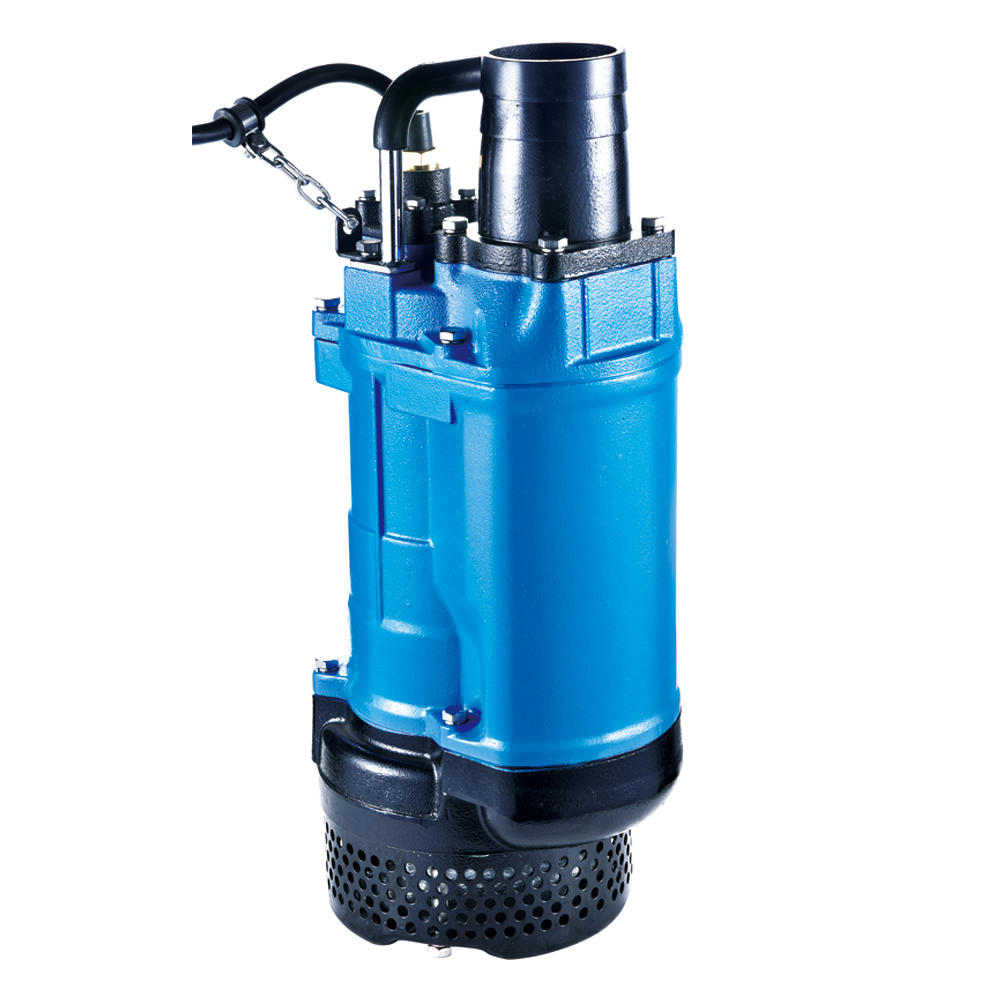
Struggling with rising electricity costs and unreliable power for your well pump? This can disrupt daily water supply. The solution—retrofit your well pump to solar energy for independence.
Yes, you can retrofit your existing well pump to solar by connecting it with solar panels and a compatible inverter system. The inverter converts solar DC power into AC power for the pump, ensuring consistent water flow even in off-grid or remote areas. Proper system sizing and installation guarantee stable pump function and energy efficiency.
Let’s explore how to power your well pump using solar energy effectively and what setup fits your needs best.
Can I connect a solar panel directly to a water pump?
Technically, you cannot directly connect a solar panel to a water pump unless the pump is designed for DC input. Most conventional well pumps run on AC electricity, while solar panels generate DC current. To bridge this gap, an inverter is required. The inverter’s job is to convert DC electricity from the solar panel into AC power, matching the pump’s voltage and frequency requirements.
In solar pumping systems, the inverter also controls the pump function by regulating voltage output based on available sunlight. Without it, your pump could experience irregular operation or even damage. For smaller DC submersible pumps, a direct solar connection is possible, but these systems usually handle low water volumes.
To optimize performance, select a high-efficiency inverter and ensure your solar panel array provides enough wattage to meet your pump’s startup and running load. Always use proper wiring and waterproof connectors to maintain safety and reliability in your solar water pump system.
Can I convert my well pump to solar?
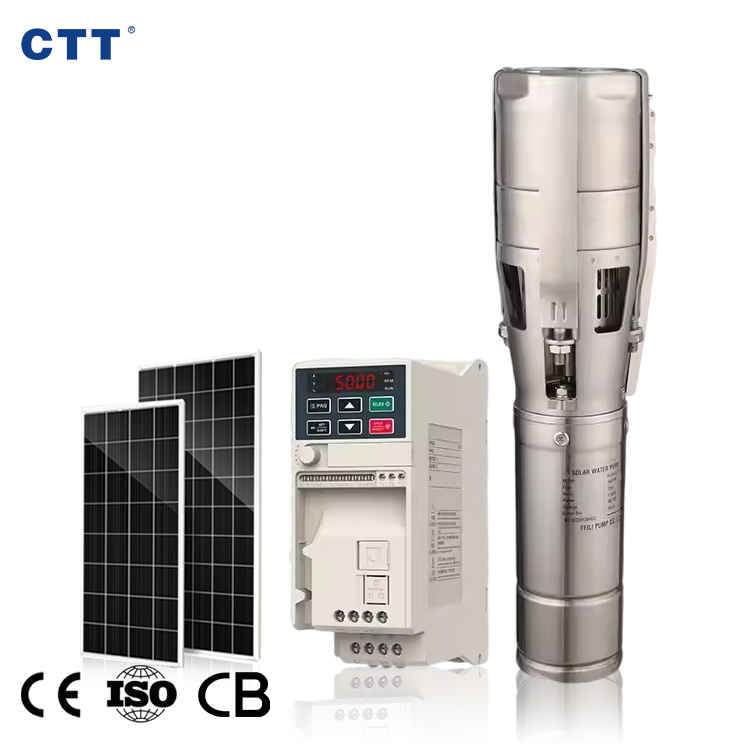
Yes, converting your existing well pump to a solar-powered system is entirely possible and increasingly popular in areas with abundant sunlight. The retrofit process involves integrating a solar panel array, an inverter, and often a controller to manage pump function and protect against voltage fluctuations.
The conversion begins by assessing your current well pump specifications—horsepower, voltage, and flow rate. These factors determine the number and type of solar panels needed. A solar inverter must be chosen to match the pump’s motor type (single-phase or three-phase). When sunlight hits the solar panels, energy flows through the inverter, converting DC to AC and powering your pump efficiently.
The benefits are significant: reduced electricity bills, continuous water supply during grid outages, and long-term sustainability. With proper design, a solar retrofit can achieve performance equal to or better than traditional electric setups. For maximum reliability, partner with a professional pump manufacturer like CTT, offering top-quality solar water pumps and technical guidance for seamless system integration.
How can I run my well pump without electricity?
Running a well pump without grid electricity can be achieved through several methods, with solar energy being the most efficient and eco-friendly option. A solar water pump system replaces traditional electrical input with renewable solar power. It includes solar panels, an inverter, and sometimes a backup battery or water storage tank for cloudy days.
When sunlight strikes the panels, DC current is generated. The inverter converts it into AC power suitable for your well pump, ensuring consistent water flow. This setup eliminates reliance on utility electricity, reducing operational costs. For small-scale or off-grid applications, DC-powered submersible pumps can be used directly with solar panels, bypassing the inverter.
Other alternatives include using diesel generators or wind turbines, but these are less efficient and require higher maintenance. Solar power remains the most practical solution due to its low running cost, reliability, and environmental benefits. Modern inverter technology ensures smooth pump function, automatic start-stop operation, and voltage protection—making solar retrofitting an intelligent investment for sustainable water management.
Retrofitting your well pump to solar ensures stable water supply, lower costs, and energy independence with reliable inverter-controlled performance.