Can You Run a DC Motor on AC Power?
A DC motor cannot be safely operated directly on AC power because the motor is designed to accept only direct current, where the electrical flow is unidirectional and stable. When AC power is applied to a DC motor, the alternating polarity causes rapid changes in direction of current flow, which the DC motor windings and commutator cannot handle. This results in overheating, violent vibration, arcing, and eventual burnout of the motor.
DC pumps used in solar water pumps operate with steady DC voltage generated by solar panels or DC controllers. They rely on consistent magnetic field orientation inside the motor. Alternating current disrupts this field, drastically reducing efficiency and causing mechanical stress.
If AC operation is required, the pump must be part of a Solar AC&DC automatic switching pump system. These systems contain internal electronics that convert AC input to DC output safely. In other cases, a standalone AC-to-DC power supply can be used to step down and convert household AC electricity into a stable DC voltage suitable for the DC pump.
Using AC on a DC motor without proper conversion will cause immediate damage. Therefore, direct AC powering of a DC water pump is neither safe nor recommended.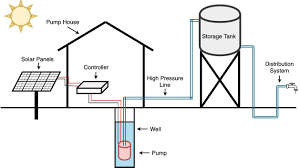
What Will Happen if a DC Series Motor Is Supplied With AC Supply?
A DC series motor is especially sensitive to incorrect electrical supply. When AC power is applied directly to a DC series motor, several dangerous conditions can occur. First, the alternating polarity causes strong fluctuations in magnetic fields, which create violent torque variations. These sudden torque spikes can cause the motor to run uncontrollably, sometimes reaching dangerously high speeds.
Second, the commutator and brushes—components found in most DC motors—are not designed for alternating current. The rapid polarity reversal causes intense sparking, arcing, and carbon buildup. This leads to overheating, early brush wear, damaged windings, and eventual motor failure.
Furthermore, the motor’s efficiency drops dramatically because the inductance of the windings resists alternating current. This causes additional heat buildup, which can burn the insulation and permanently destroy the motor.
The only safe way to operate a DC series motor from an AC source is to insert a rectifier or AC-to-DC converter that stabilizes the output. Pumps used in solar water pumps often use BLDC (brushless DC) motors, which are even more sensitive to AC misuse. For these systems, power conversion electronics are mandatory.
In short, applying AC directly to a DC series motor is unsafe, inefficient, and almost always results in equipment failure.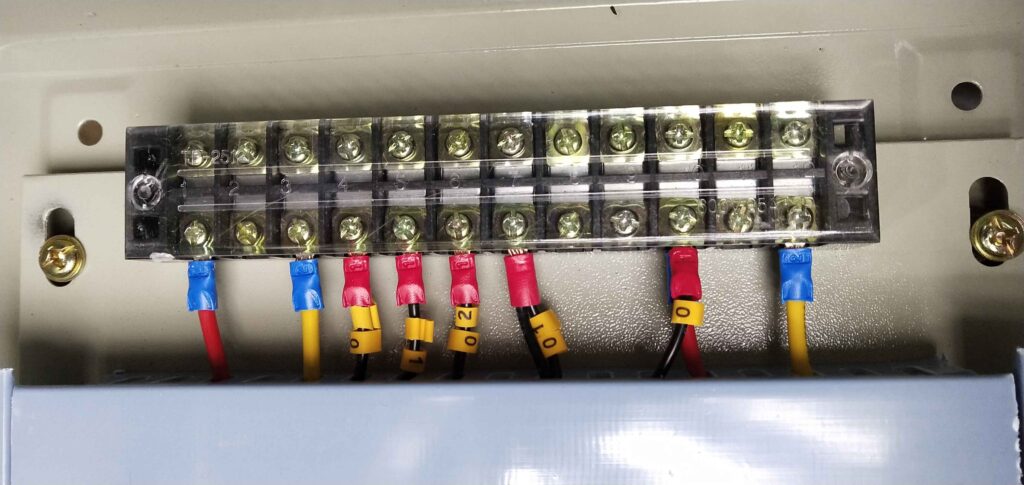
How to Power a DC Water Pump?
A DC water pump can be powered safely using several reliable methods depending on the application, power source, and system design. The most common method is using solar panels, which naturally produce DC electricity. When integrated with an MPPT solar controller, the pump runs efficiently throughout the day, making it ideal for off-grid irrigation, livestock watering, and rural water supply.
Second, a DC pump can be powered using a DC power supply unit, which converts AC mains supply into the correct DC voltage. This option is ideal for workshops, household test setups, or small installations where solar power is not required.
Another option is a Solar AC&DC automatic switching pump system. These pumps can operate on DC from solar panels during the day and automatically switch to AC grid power at night. Inside the pump controller, the AC is converted to DC before entering the motor, ensuring safe operation. This hybrid method ensures water supply even during cloudy weather or at night.
DC pumps can also operate using battery storage systems, where batteries store DC power produced by solar panels. The stored energy is used to run the pump during low-sunlight hours.
No matter which method is used, the key is supplying stable DC voltage within the pump’s rated range. Overvoltage or incorrect polarity can damage the motor, so proper controllers and protection devices are essential.
How Do You Connect DC to AC Power?
Because DC motors cannot directly run on AC electricity, a safe conversion system is required. To connect DC-based pumping equipment to an AC power source, you must use an AC-to-DC converter, which transforms 110V/220V AC into a stable DC output. This device includes rectifiers, capacitors, voltage stabilizers, and internal protection circuits.
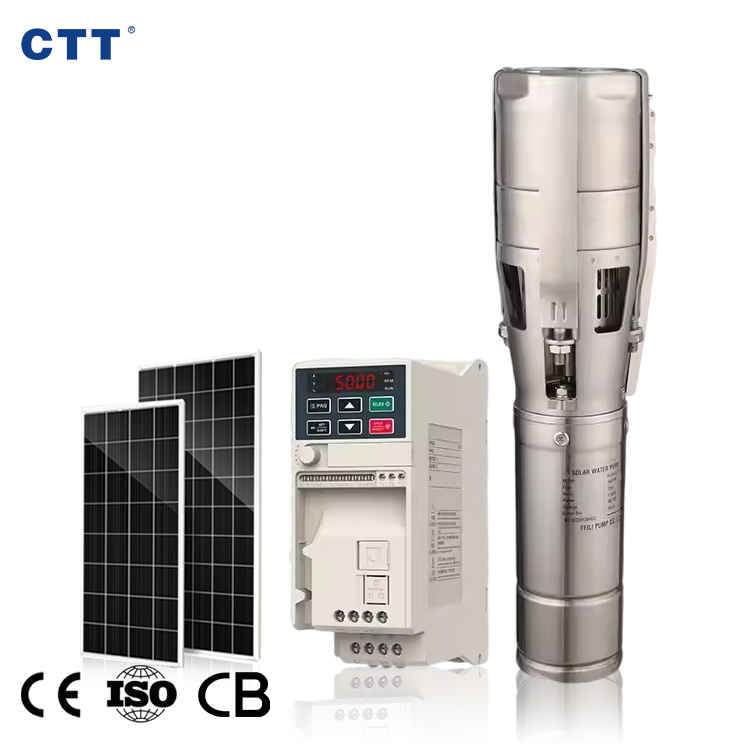
In larger pumping systems, especially those using solar water pumps or deep-well installations, the power conversion is handled by a solar pump controller. These controllers accept DC from solar panels and AC from the grid or a generator. Inside the controller, all AC input is rectified into DC before powering the motor. This is the foundation of a Solar AC&DC automatic switching pump, which allows continuous operation regardless of sunlight conditions.
For off-grid systems, DC-to-AC and AC-to-DC conversion may also involve inverters, rectifiers, regulators, and surge protectors, depending on the installation environment.
It is critical that the DC pump’s rated voltage, current, and polarity are matched exactly. Poor conversion, unstable voltage, or improper wiring can permanently damage both the controller and the motor. Therefore, for any situation requiring AC integration, a dedicated pump controller or professionally sized converter is mandatory.
Conclusion
A DC water pump cannot be powered directly with AC electricity. Doing so causes overheating, arcing, and motor failure. Safe operation requires proper power conversion—either through a solar pump controller, AC-to-DC power supply, or a Solar AC&DC automatic switching pump system. By using the correct equipment, you can safely operate DC pump systems with solar panels, grid power, or hybrid energy sources