Do Water Pumps Turn Off Automatically?
Yes, most modern water pumps—whether household, agricultural, or solar water pumps—can turn off automatically when equipped with the correct controller or shutoff device. The most common automatic methods include pressure switches, flow switches, float switches, and automatic pump controllers. These devices sense specific conditions, such as a drop in pressure, an increase in tank level, or a stop in water flow, and immediately cut power to the pump.
Pressure-based shutoff is widely used for domestic systems. When a faucet or tap closes, the pressure builds inside the pipeline. Once the pressure reaches a preset value, the controller cuts power to the pump. Float switches, meanwhile, are commonly used in wells, tanks, and boreholes. They turn off the pump when water reaches a maximum tank level or when the source tank becomes empty to prevent dry running.
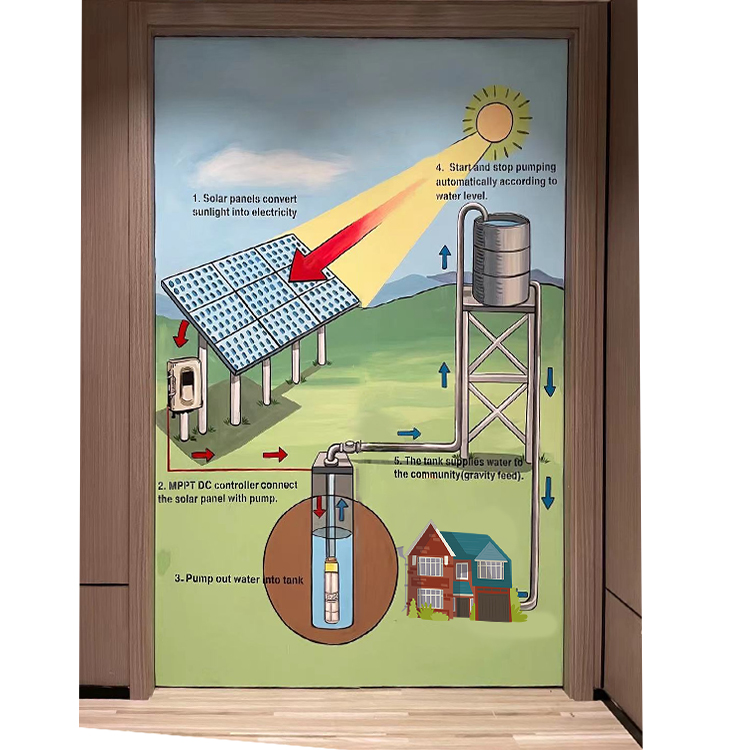
In solar water pumps, a solar controller includes built-in protections such as overcurrent shutoff, dry-run protection, tank-level cut-off, and controller self-starting after sunrise. These systems ensure the pump is always protected even when no human operator is present. Thus, with the right setup, automatic shutdown is not only possible but highly recommended.
Why Does My Water Pump Keep Running When I Turn It Off?
A water pump that continues running after being manually switched off indicates a system fault or wiring issue. One common cause is a failed pressure switch or stuck relay inside the controller. If the contacts become welded or corroded, the pump receives continuous power even when the switch is off. Another possibility is a leak in the plumbing system, making the pump think water is still being used, so it never reaches the pressure required to shut down.
Air trapped in the system can also confuse pressure sensors, preventing the pump from shutting off properly. A cracked foot valve or suction line leak allows air into the pipeline, causing the pump to cycle continuously. Additionally, poorly installed or worn check valves can cause backflow, leading the pump to repeatedly attempt to rebuild pressure.
In solar water pumps, incorrect settings in the solar controller or incompatible voltage may contribute to continuous running. Modern controllers typically include programmable thresholds to prevent this. Using systems with remote control APP access allows the user to instantly diagnose or stop the pump from anywhere.
Finally, damaged wiring or bypassed switches can keep the pump energized. If this happens, the wiring must be repaired immediately to avoid overheating or burning the motor.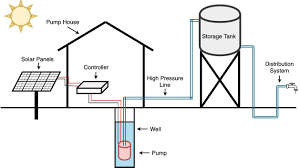
Can I Put a Timer on a Water Pump?
Yes, installing a timer on a water pump is a convenient and effective way to control operation hours and automatically shut off the pump. Timers are widely used in agriculture, irrigation, livestock operations, and home water systems where consistent schedules are required. They help reduce electricity waste, prevent pump overuse, and avoid unnecessary wear.
There are three common timer types: mechanical timers, digital timers, and smart timers. Mechanical timers are simple rotary-based devices that allow basic on/off scheduling. Digital timers offer greater precision and can customize daily or weekly cycles. Smart timers allow remote scheduling through a remote control APP over Wi-Fi or Bluetooth, making them ideal for off-grid solar water pumps used in farms or greenhouses.
In solar systems, pump timers must be compatible with solar controller outputs. Many solar controllers include internal timer functions, allowing users to choose working periods during daylight or set intervals. Timers are particularly useful for borehole or well pumps that should not run continuously.
While timers help automate shutoff, they should always be combined with safety features like dry-run protection and float switches. This ensures the pump never runs without water, preventing overheating or damage.
How Does an Automatic Water Pump Controller Work?
An automatic water pump controller monitors pressure, flow, voltage, and water level to manage pump operation without manual intervention. When water demand begins—such as opening a tap—the pressure in the pipeline drops. The controller senses this drop and automatically starts the pump. Once all taps close, pressure builds again, and the controller shuts the pump off.
For tank systems, the controller uses float switches or sensors. When the tank reaches maximum level, the controller cuts power. When the level drops, the system restarts. This prevents overflow and ensures consistent water supply.
In solar water pumps, the solar controller performs more advanced tasks. It not only controls pressure and flow but also stabilizes voltage coming from solar panels. Solar power fluctuates throughout the day, so the controller regulates power to protect the pump. These controllers also include:
Dry-run protection (stops pump if the well is empty)
Overload and overvoltage protection
Controller self-starting after sunrise or voltage recovery
Automatic switching between solar power and grid power (in Solar AC&DC automatic switching pump systems)
Remote control APP monitoring via Wi-Fi/GSM for real-time pump management
When integrated, these functions create a highly intelligent system that automatically stops the pump whenever abnormal operating conditions are detected, ensuring maximum pump lifespan and safe operation.
Conclusion
Water pumps can be turned off automatically using pressure switches, float switches, timers, or intelligent controllers. Modern solar water pumps especially rely on advanced solar controller technology with protections like dry-run shutoff and controller self-starting. With the addition of remote control APP systems, users can monitor and stop pumps from anywhere, ensuring efficiency, safety, and peace of mind.