
Can I Run a Water Pump Straight from a Solar Panel?
No, you cannot run an electric pump directly from solar panels. Solar panels generate direct current (DC) electricity that varies in voltage and current depending on sunlight intensity. Most water pumps, especially AC types, require stable and regulated power to start and operate correctly.
A solar water pump system solves this challenge using a controller (also known as a pump driver or MPPT controller) to stabilize the voltage and protect the motor. For AC pumps, an inverter converts DC power from the solar panels into alternating current (AC) that matches the pump’s rated voltage and frequency.
If you are using a solar DC pump, the system can sometimes run without an inverter, but it still needs a controller to prevent overvoltage or dry-run conditions.
In summary, solar panels alone are not sufficient—a controller and inverter ensure safe, continuous, and efficient water pumping from solar energy.
What Is the 33% Rule in Solar Panels?
The 33% rule is an important guideline when designing a solar water pump system. It suggests that your solar panel array should produce about 33% more power than the rated power of your electric pump.
For example, if your pump requires 900 watts to run efficiently, your solar array should be rated at approximately 1,200 watts. This extra capacity compensates for real-world losses such as heat, shading, wiring resistance, and fluctuations in sunlight intensity.
Following this rule ensures the pump receives sufficient energy even during cloudy or low-light conditions. For solar AC&DC pumps, the 33% oversizing also helps maintain stable inverter operation, preventing power shortages that could interrupt water flow.
Ignoring this rule can result in poor pump performance, frequent motor stops, or premature equipment wear. Therefore, the 33% rule ensures reliability, system stability, and consistent water delivery throughout the day.
How Can I Run My Well Pump Without Electricity?
Running a well pump without grid electricity is simple when you use a properly designed solar water pump system. The system converts sunlight into usable power through the following process:
Solar panels capture sunlight and convert it into DC electricity.
A controller regulates the voltage and current, ensuring safe operation and protecting the pump motor.
For AC electric pumps, an inverter converts the DC electricity into AC power suitable for the motor.
The pump motor drives water upward from the well or borehole to your desired location.
This setup operates completely off-grid, making it ideal for farms, rural homes, or any area with unreliable electricity. To ensure consistent water availability, users often add water storage tanks or battery backup systems. The storage tank provides water during non-sunlight hours, while batteries can supply extra energy for cloudy days.
By adopting solar power, you eliminate dependence on the grid, reduce electricity costs, and enjoy continuous water access—all while protecting the environment.
How to Run a Water Pump with Solar?
To run a water pump with solar, you need a properly sized and balanced system. Here’s a step-by-step overview to design an effective setup:
Determine the Pump Power Requirement
Check the wattage or horsepower of your electric pump. For example, a 1HP pump typically needs about 750 watts to operate efficiently.Apply the 33% Rule
Multiply your pump’s power by 1.33. For a 750-watt pump, install 1,000 watts of solar panels to compensate for power losses.Choose the Right Pump Type
Solar DC Pumps: Run directly on DC power through a controller. These are highly efficient and ideal for small to medium applications.
Solar AC&DC Pumps: Operate with an inverter and can switch between solar and grid power, offering flexibility for larger systems.
Install the Controller and Inverter
The controller ensures stable voltage and protects against overcurrent or dry running.
The inverter (for AC systems) converts DC to AC at the correct frequency.
Add Water or Power Storage
A storage tank can store water pumped during daylight hours for later use.
A battery system can store excess solar energy for operation during night or cloudy weather.
Perform Regular Maintenance
Clean solar panels monthly to prevent dust buildup, check wiring connections, and inspect the controller for proper functioning.
With these steps, your solar water pump can deliver steady water supply without electricity. It’s a reliable, low-maintenance, and eco-friendly solution for both domestic and agricultural needs.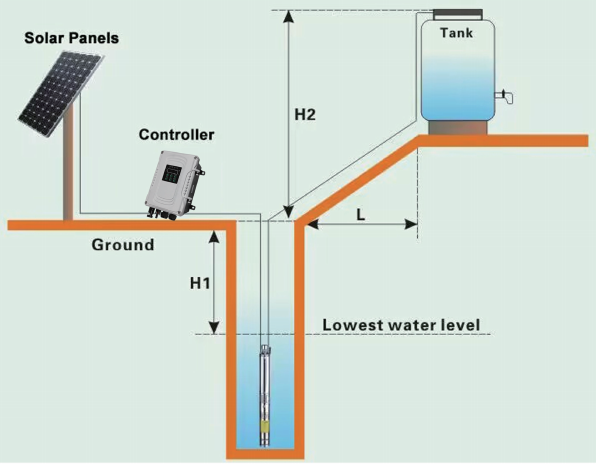
Advantages of Using Solar Power for Water Pumps
Running electric pumps entirely on solar energy offers numerous long-term benefits:
Energy Independence: Operates without relying on grid electricity.
Cost Savings: Once installed, solar power provides free energy.
Eco-Friendly Operation: No emissions or fuel usage.
Low Maintenance: Solar panels and controllers require minimal upkeep.
Versatility: Works with a wide range of pumps, including solar AC&DC pumps and submersible or surface pumps.
By investing in solar power, businesses and households can secure an uninterrupted water supply while cutting energy costs and supporting sustainable practices.
Key Components of a Solar Water Pumping System
To successfully operate a solar water pump system, these core components are essential:
Solar Panels – Capture sunlight and produce DC electricity.
Controller (or MPPT) – Regulates voltage and protects the pump motor.
Inverter (for AC Pumps) – Converts DC electricity to AC.
Pump Motor – The heart of the system; can be surface or submersible.
Storage Tank or Battery – Ensures water or energy availability when sunlight is low.
Choosing the correct combination of these components ensures safe operation, maximum efficiency, and long lifespan for your solar water pumps.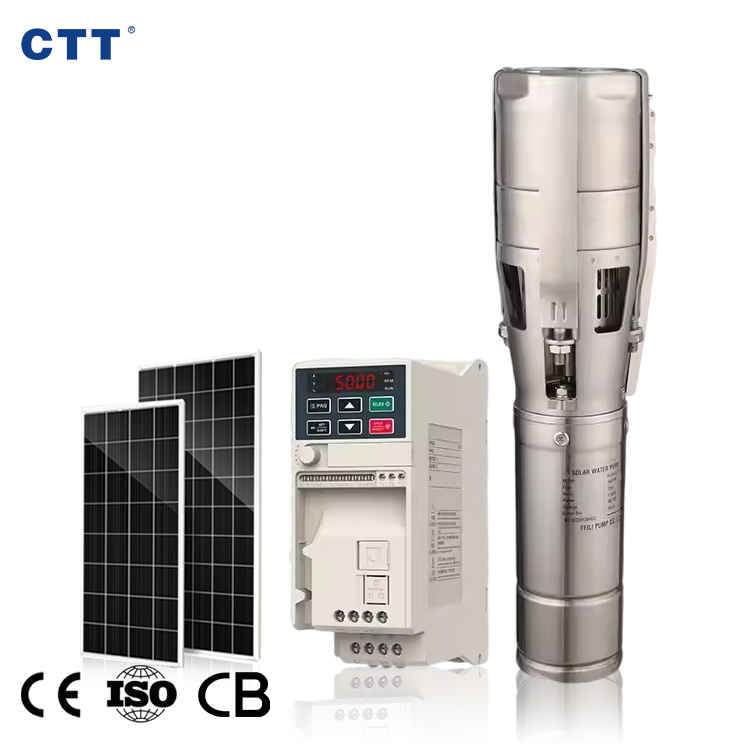
Conclusion: Powering Pumps Efficiently with Solar Energy
In conclusion, running a water pump only with solar is a practical and sustainable way to achieve reliable water supply for domestic or agricultural use. However, solar panels alone cannot drive an electric pump. You must include a controller and, for AC systems, an inverter to ensure stable operation and protect the pump motor.
By following the 33% rule, selecting the right solar AC&DC pump, and properly sizing your system, you can enjoy uninterrupted water flow powered entirely by renewable energy. Solar water pumping is not only environmentally responsible but also a smart investment that reduces long-term operational costs.


