Can a pump move water horizontally for a mile?
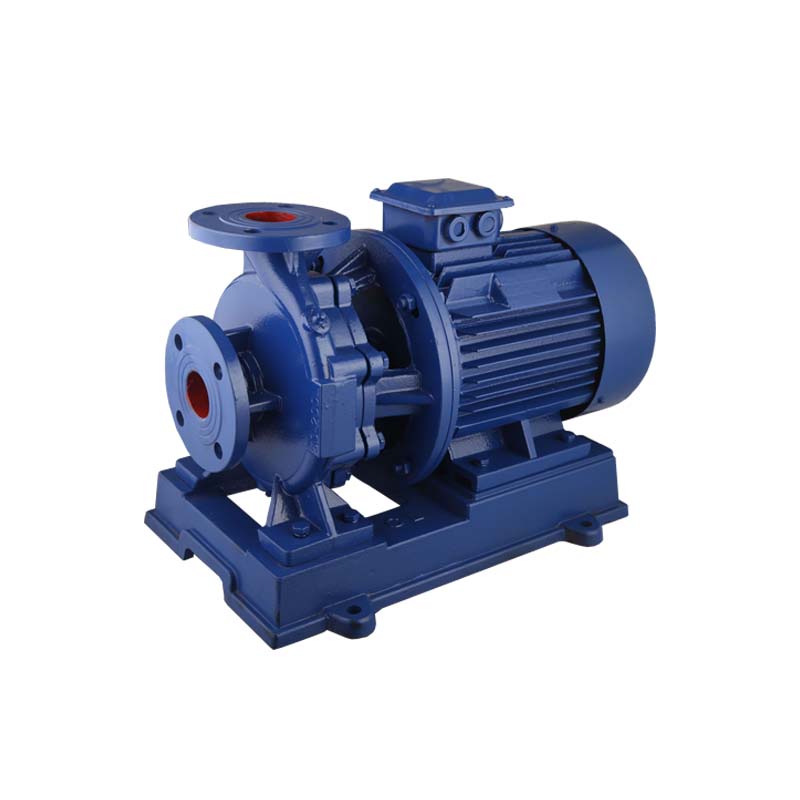
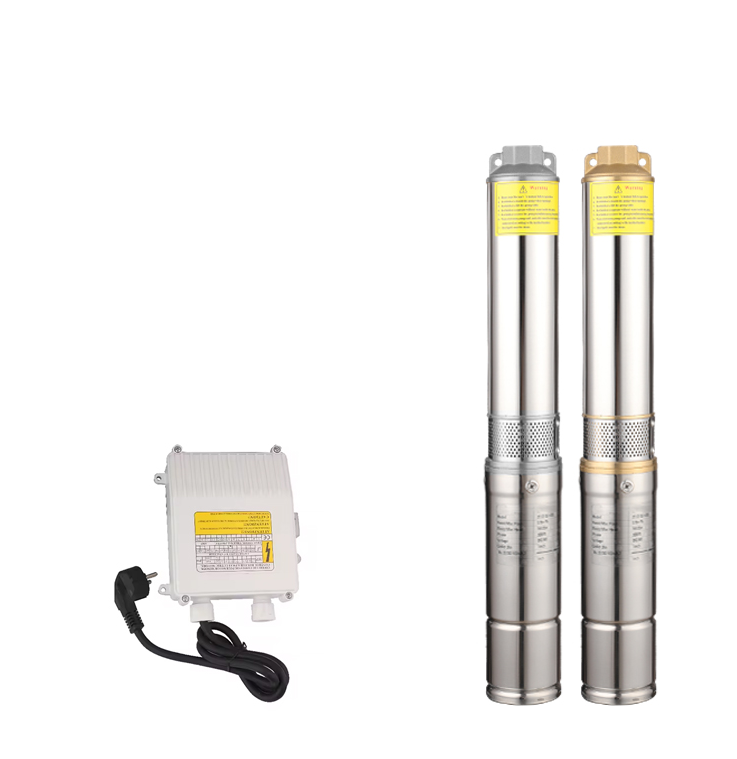
Moving water horizontally for a mile is technically possible but requires a powerful and well-designed system. The main limiting factors are pipe friction, flow rate, and elevation changes. A typical residential or garden pump can move water only a few hundred feet before pressure drops significantly. However, borehole pumps and submersible pumps are capable of pushing water much farther when installed correctly. To achieve a one-mile horizontal run, you’d need a multi-stage centrifugal pump or booster stations to maintain adequate pressure. Proper pipe diameter selection and minimized bends are also crucial to reduce friction loss and sustain consistent flow over long distances.
How far can a sewage pump push water horizontally?
A Sewage water pump is designed for moving wastewater from lower to higher elevations, often over considerable horizontal distances. Most residential-grade sewage pumps can push water horizontally up to 750–1200 feet, depending on the pump’s horsepower, discharge head, and pipe diameter. Commercial or industrial-grade models can reach farther distances, sometimes exceeding 2000 feet. However, pumping sewage differs from clean water because of the fluid’s higher viscosity and potential for solids. To prevent clogging and maintain flow, you need a pump with adequate torque and a large discharge size. Submersible pumps are commonly used in sewage applications because they can handle debris effectively while maintaining stable horizontal pressure.
How far can a shallow well pump pull water horizontally?
A shallow well pump can typically pull water vertically from a maximum depth of about 25 feet, but its horizontal pulling capacity is much greater. When installed properly, a standard shallow well or Solar well pump can move water horizontally up to 200–800 feet, depending on suction lift, pipe size, and total dynamic head (TDH). The key factor here is not horizontal distance alone, but the combination of vertical lift and pipe friction. The flatter and straighter the pipeline, the farther the pump can move water. Using larger-diameter pipes reduces friction, allowing water to travel greater distances with less pressure loss. For extended runs, consider using a borehole pump or multi-stage booster system for higher efficiency.
How far can concrete be pumped horizontally?
Concrete pumping requires specialized high-pressure pumps designed to move heavy, semi-fluid materials through pipelines. A typical concrete pump can move concrete horizontally between 300 and 800 meters (approximately 1000 to 2600 feet), depending on the viscosity of the concrete mix, pump power, and pipe diameter. Industrial concrete pumps equipped with larger cylinders and higher pressure can reach even farther—up to 1.5 kilometers under ideal conditions. Horizontal concrete pumping requires maintaining a consistent mix and avoiding sharp bends in the pipeline. While this differs from water pumping, the principle of pressure loss due to friction remains the same. Like submersible pumps or borehole pumps, these systems rely on strong motors and reinforced hoses to handle distance and pressure demands effectively.
What factors affect how far a pump can move water horizontally?
Several factors determine how far any pump—whether a Solar well pump, borehole pump, or Sewage water pump—can move water horizontally:
Pump Type and Power:
Submersible and multi-stage pumps provide greater pressure and are ideal for long-distance horizontal water transfer.Pipe Diameter and Material:
Larger pipes reduce frictional loss, allowing water to travel farther. PVC or HDPE pipes are typically preferred for efficiency.Friction Loss:
Every foot of pipe adds resistance. Smooth interior pipes and fewer bends minimize friction.Elevation Changes:
Even slight slopes increase total head pressure, reducing overall range.Fluid Type:
Clear water is easier to pump than wastewater or slurry due to viscosity differences.
By considering these variables, you can accurately estimate how far your pump can move water horizontally without losing performance or damaging components.