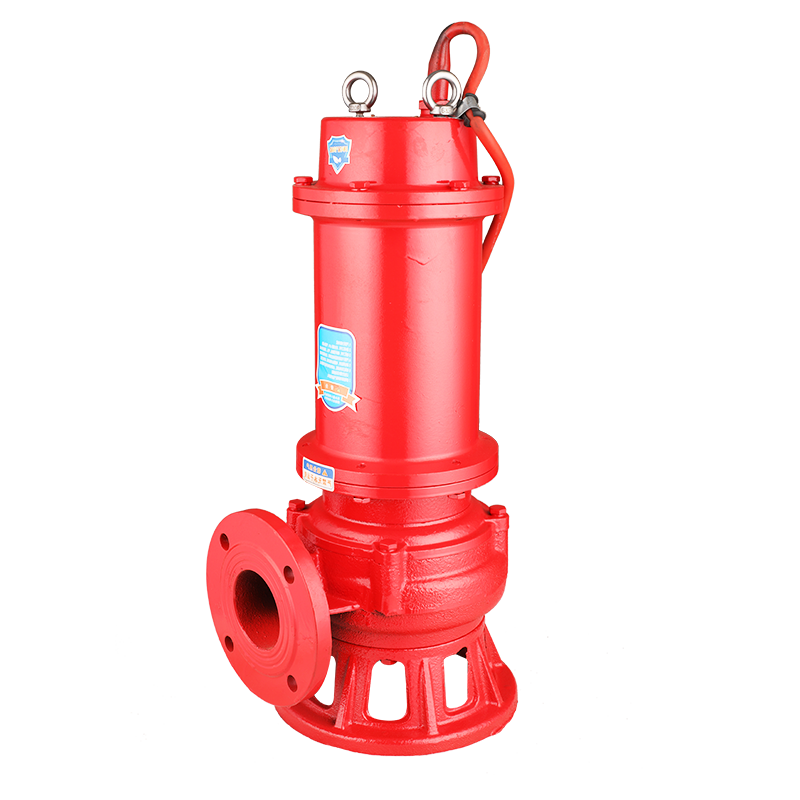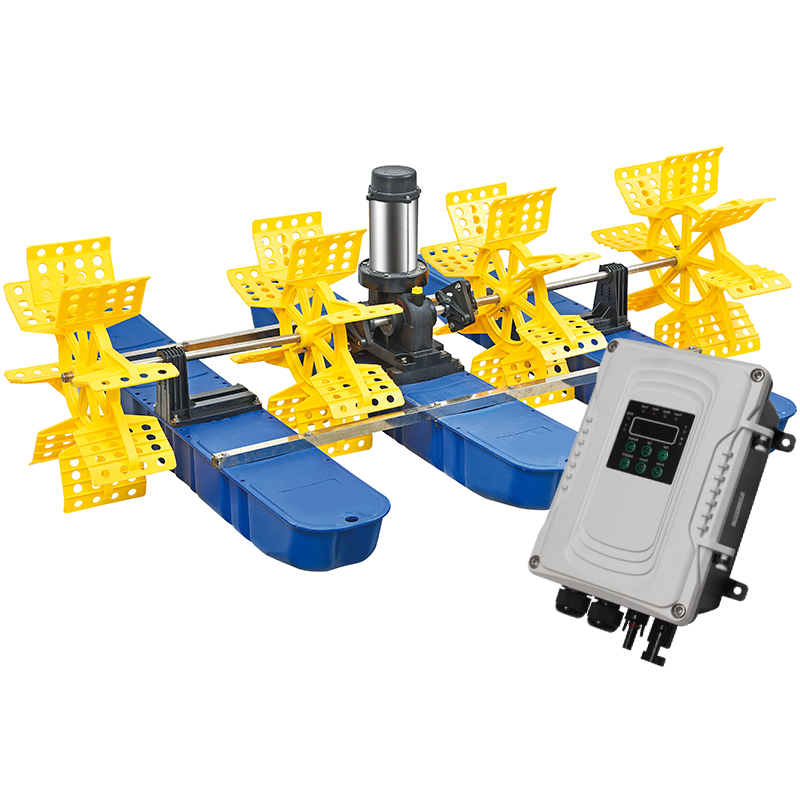
How does a solar pump work?
Struggling with unreliable water access or high energy bills? Traditional pumps depend on grid power or fuel. A solar water pump harnesses sunlight—saving energy, costs, and ensuring sustainable water supply.
A solar pump converts sunlight into electricity using solar panels, which power a motor that draws and delivers water. Through an inverter and controller cabinet, the system regulates voltage, ensuring efficient, stable pump operation.
Let’s explore how solar water pumps function, connection methods, and the best practices for integrating solar panels with batteries and inverters.
Can I run a pump directly from a solar panel?
Yes, you can run a solar pump directly from a solar panel, but only under specific conditions. A solar water pump designed for direct DC operation can connect directly to solar panels without using an inverter or battery. In this setup, sunlight provides direct electrical energy to power the pump motor. However, there’s an important limitation—pump performance depends entirely on solar intensity.
During bright sunlight, the pump runs efficiently, but during cloudy weather or early morning and late afternoon, the power output drops. This causes reduced water flow or intermittent operation. For consistent water supply, it’s recommended to use a controller cabinet that regulates current and voltage, protecting the motor from fluctuations.
Some solar water pump systems include built-in maximum power point tracking (MPPT) controllers that optimize energy conversion from the panels to the pump. These smart controllers ensure stable performance even when sunlight varies. So, while direct connection works, using a controller or inverter ensures reliability and long-term system safety.
Can I just connect a solar panel directly to the battery?
It’s not recommended to connect a solar panel directly to a battery without a controller cabinet or charge controller. Doing so can cause overcharging, which leads to excessive heat, shortened battery life, or even permanent damage. During nighttime, energy can also flow backward from the battery to the solar panel, slowly draining the stored charge.
A charge controller or inverter and controller cabinet prevents these issues by regulating the flow of electricity. It ensures the battery receives an optimal charging voltage while blocking reverse current flow. When connected properly, the solar panels charge the battery efficiently during daylight, and the battery powers the solar pump during cloudy conditions or at night.
For example, in an off-grid water system, the solar water pump might operate for several hours even without sunlight, thanks to stored energy in the battery. This setup is ideal for farms, remote areas, and irrigation systems that need continuous operation. Always consult your solar pump installation guide or manufacturer specifications to confirm compatibility and voltage requirements before wiring.
How to connect to the inverter or controller cabinet
Connecting your solar pump system to an inverter and controller cabinet is essential for efficiency and protection. The inverter plays a key role by converting direct current (DC) from solar panels into alternating current (AC), which most solar water pumps require. The controller cabinet, meanwhile, manages system voltage, protects against overloads, and ensures smooth operation.
Here’s a simplified connection process:
Connect the solar panels to the input terminals on the inverter or controller cabinet. Make sure polarity (positive and negative) matches correctly.
Connect the inverter’s output to the solar water pump motor, ensuring voltage and frequency match the pump’s specifications.
Connect the battery bank (if present) to the inverter’s battery terminals. This allows stored energy to power the pump when sunlight is insufficient.
Use circuit breakers and fuses for safety. They prevent short circuits and protect sensitive electrical components.
Ground the system properly to prevent electrical hazards and ensure safe operation in wet environments.
An advanced inverter and controller cabinet may also include MPPT technology, digital displays, and automatic shut-off features. These systems continuously adjust the electrical output to maintain maximum efficiency as sunlight levels change. Regularly inspect wiring, panel cleanliness, and inverter settings to ensure your solar pump operates at peak performance.
How does a solar water pump system operate overall?
A solar water pump system functions by converting sunlight into electrical energy, which then powers a motorized pump to move water from a source—such as a borehole, river, or reservoir—to the desired location. The key components of this system are the solar panels, the inverter and controller cabinet, and the pump motor itself.
Solar panels absorb sunlight and convert it into DC electricity.
The electricity flows into the controller cabinet or inverter, where it’s stabilized and converted to AC if necessary.
The solar pump motor uses this power to draw water from the source and push it through pipes to storage tanks, irrigation systems, or taps.
In some cases, batteries are added to store excess solar power. This ensures continuous operation even when sunlight is low. The use of advanced inverters allows smooth transitions between solar and battery power without interruptions.
Compared with conventional pumps, solar water pumps are cost-effective, eco-friendly, and require minimal maintenance. They eliminate fuel dependency, making them ideal for rural areas or farms with limited electricity access.
What makes inverter and controller cabinets essential?
The inverter and controller cabinet are the brains of any solar pump system. Without them, the flow of energy from solar panels can be erratic, leading to poor performance or system failure. The inverter’s main role is to convert DC power from the solar panels into AC power suitable for most electric pumps. The controller cabinet, on the other hand, ensures that voltage and current levels remain stable.
Controllers prevent the pump from running under low sunlight conditions that could cause motor strain. They also protect against overvoltage, short circuits, and overheating. Some modern controllers include automatic start-stop features, allowing the solar water pump to turn on only when sufficient sunlight is available, maximizing efficiency and lifespan.
Using a quality inverter and controller cabinet from a trusted solar manufacturer ensures your system operates efficiently and safely. It also simplifies troubleshooting and improves long-term reliability, making it a must-have component for every solar pump setup.
Practical applications of solar pumps
Solar water pumps are widely used across different sectors due to their versatility and energy efficiency. In agriculture, they’re used for irrigation, livestock watering, and greenhouse operations. In residential and commercial settings, they provide water for gardens, fountains, or household use. In remote areas, solar pumps offer a dependable solution for clean water access where electricity is unavailable.
Solar panels power the system directly during the day, and with a proper inverter and controller cabinet, energy can be stored and used at night or on cloudy days. Additionally, solar water pumps are environmentally friendly—they produce zero emissions and require little maintenance compared to traditional fuel-driven systems.
The scalability of solar pump systems means you can start small and expand as needed. Whether for a single household or a large farm, solar technology offers a sustainable path to water independence.
In summary, a solar pump uses sunlight, panels, and an inverter-controller system to efficiently power reliable, eco-friendly water pumping operations.