Why Are Water Pumps Important in Agriculture?
Water pumps ensure consistent water flow for irrigation, livestock supply, and crop production. In modern agriculture, pumps help transport water from wells, boreholes, rivers, and storage tanks to fields. Without efficient pumping, farmers face irregular irrigation, leading to poor crop growth and reduced profitability. Pumps such as submersible borehole pumps and solar water pumps allow deep-water extraction, especially in regions with groundwater as the primary source. For B2B distributors, supplying high-quality pumps increases customer trust, reduces maintenance complaints, and positions your business as a reliable partner in agricultural development.
What Type of Pump Is Best for Irrigation?
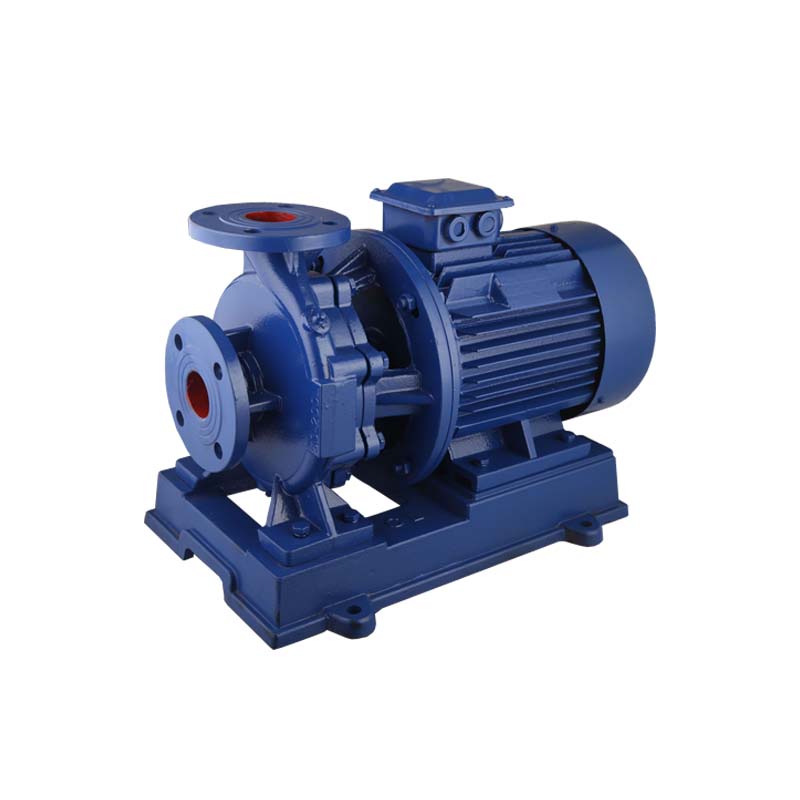
The ideal pump for irrigation depends on the water source and field layout, but submersible borehole pumps and centrifugal pumps are the most commonly used. A submersible borehole pump is best when farmers need deep groundwater extraction for large-scale irrigation. Centrifugal pumps work well for surface water sources such as rivers, lakes, or storage tanks. Increasingly, farmers prefer solar-powered versions of these pumps because they reduce energy costs and eliminate reliance on the grid. For distributors, offering solar-compatible or dedicated solar water pump systems provides a competitive advantage in markets where electricity is unreliable or expensive.
Can Solar Water Pumps Be Used for Irrigation?
Yes, solar water pumps are widely used for irrigation, especially in remote agricultural regions with abundant sunlight. A solar water pump system powers irrigation without fuel generators or grid electricity, lowering operational costs significantly. Submersible solar pumps are ideal for deep wells, while surface solar pumps support drip irrigation, sprinkler systems, and canal water transfer. Farmers benefit from steady water supply during critical growth stages, improving yield stability. For B2B buyers, solar-driven irrigation solutions attract environmentally conscious clients and help differentiate your product offerings from competitors relying only on traditional pumps.
How Are Pumps Used in Agriculture?
In agriculture, pumps move water from sources such as boreholes, wells, ponds, and reservoirs to the farm’s irrigation network. Submersible borehole pumps extract deep groundwater, delivering it to tanks or directly to irrigation systems. Surface pumps lift water from rivers or canals to fields. Solar water pumps are increasingly popular because they minimize energy expenses and provide consistent irrigation even in remote areas. Pumps also support livestock watering, fertigation systems, and field spraying. By offering durable, efficient pumping solutions, distributors strengthen customer loyalty and reduce complaints about power failures or poor water availability.