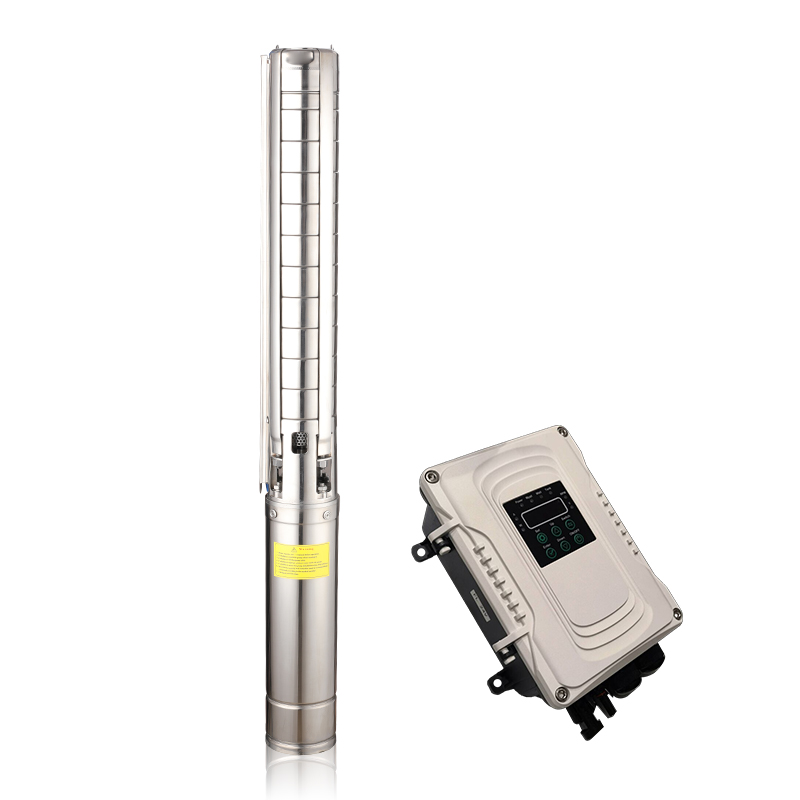
Power outages stop water pumps, cutting off water supply and disrupting operations; using generators correctly restores stable power supply and protects pumping systems.
Yes, water pumps can be used with generators if the generator provides sufficient starting and running power. Correct sizing, stable power supply, and proper connection ensure safe operation of well pumps and continuous water supply during outages.
To avoid pump failure and water shortages, generator selection and system matching must be clearly understood.
How to Power a Well Pump During a Power Outage?
Powering a well pump during a power outage is a major concern for households, farms, and commercial facilities that rely on continuous water supply. A well pump is often the only source of drinking water, irrigation, or industrial process water, so loss of power can quickly lead to serious disruptions. The most common and reliable solution is using an independent power supply such as a generator.
Generators provide temporary electrical power when the main grid fails. For well systems, both portable and standby generators are used, depending on application scale. Portable generators are cost-effective and flexible, while standby generators offer automatic operation and higher stability for critical water supply systems. Regardless of type, the generator must be compatible with the water pump’s voltage, phase (single-phase or three-phase), and power requirements.
In addition to the generator itself, proper electrical components are essential. Transfer switches prevent back-feeding into the grid, protecting equipment and personnel. Soft starters or variable frequency drives (VFDs) can further reduce electrical stress when restarting deep well water pumps. For B2B buyers and project contractors, offering a complete solution—including generator compatibility advice—adds significant value and reduces after-sales issues related to power supply failures.
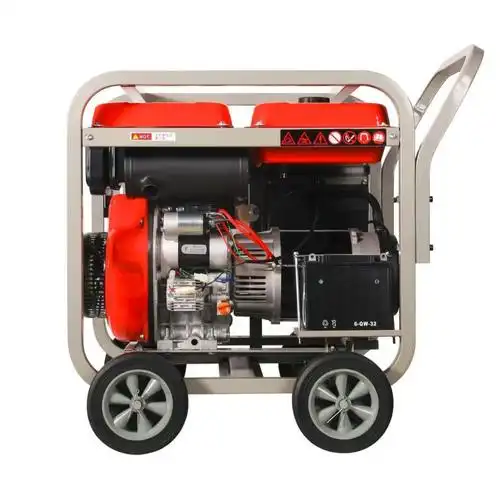
Can I Run a Water Pump with a Generator?
Yes, a water pump can run with a generator, and this setup is widely used across rural, agricultural, and industrial applications. In many regions where grid power is unstable, generators are a standard part of water supply infrastructure. However, successful operation depends on matching the generator’s output with the pump’s electrical and mechanical characteristics.
Water pumps, especially submersible and deep well models, have high starting currents. When the motor starts, it may require two to three times its normal running power. If the generator cannot handle this surge, the pump may fail to start or the generator may shut down. This is a common problem when undersized generators are used. Therefore, the generator must be selected based not only on the pump’s rated power but also its starting demand.
Another important factor is power quality. Voltage fluctuations or unstable frequency from low-quality generators can damage pump motors over time, reducing efficiency and service life. For B2B buyers supplying water pumps to overseas markets, recommending reliable generators and proper wiring standards helps protect brand reputation. When correctly matched, a generator-powered water pump provides a dependable water supply during emergencies, construction projects, and off-grid operations.
What Size Generator Do I Need to Run a Well Pump?
Choosing the right generator size to run a well pump is critical for system reliability and safety. The required generator capacity depends on the pump’s horsepower, voltage, phase, and starting method. As a general guideline, the generator should have at least 1.5 to 2 times the pump’s rated running power to handle startup current.
For example, a 1 HP single-phase well water pump typically requires around 750 watts while running, but starting power may reach 2,000–3,000 watts. In this case, a generator rated at 3–4 kW is recommended. Larger deep well pumps, such as 3 HP or 5 HP models, require significantly higher generator capacity, especially for three-phase systems commonly used in agricultural and industrial water supply projects.
Other factors also affect generator sizing. Long cable runs increase voltage drop, requiring additional power margin. Pumps connected to pressure tanks or irrigation systems may start frequently, increasing generator load cycles. Using soft starters or VFDs can reduce starting current and allow smaller generators to be used more efficiently.
For professional buyers and distributors, helping customers calculate correct generator size reduces equipment failure, complaints, and warranty claims. A properly sized generator ensures smooth pump startup, stable power supply, and uninterrupted water supply even during extended power outages.
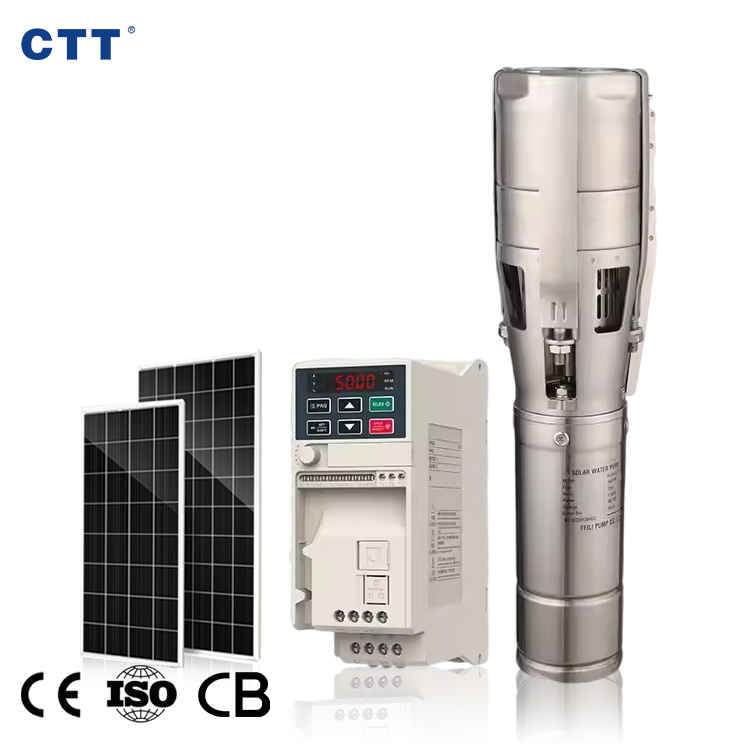
Water pumps can safely run on generators when power supply capacity is correctly matched, ensuring reliable water supply during outages and off-grid use.