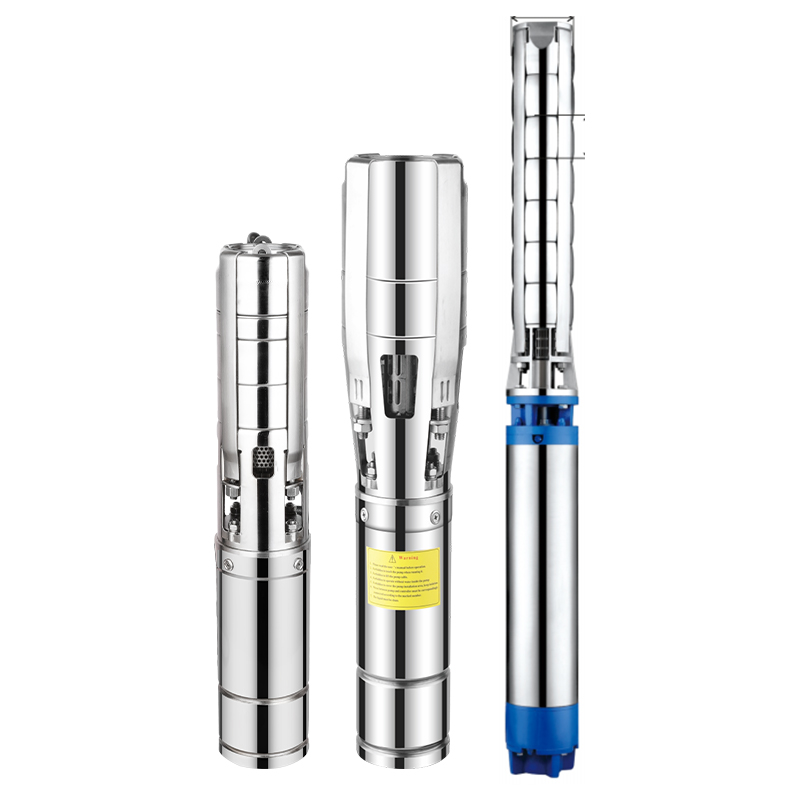
Many businesses struggle with pump placement, leading to efficiency loss and potential system damage. Incorrect installation can shorten pump lifespan and increase costs. The solution? Understanding whether submersible pumps can run horizontally and how to do it correctly.
Can a Submersible Pump Operate in a Horizontal Position?
Yes, submersible pumps can run horizontally, but proper installation is essential to ensure efficiency, prevent damage, and maintain longevity. Factors such as motor cooling, bearing support, and flow dynamics must be considered to avoid operational issues.
Submersible pumps are typically designed for vertical installation, but certain applications may require them to be placed horizontally. Let’s explore how orientation affects performance.
Does a Submersible Pump Need to Be Vertical?
Submersible pumps are primarily designed to operate in a vertical position, as this orientation allows for optimal cooling, lubrication, and efficiency. The motor and bearings rely on gravity-assisted cooling and oil circulation to function correctly. When placed vertically, water naturally flows over the motor housing, preventing overheating and extending the pump’s lifespan.
However, in some cases, horizontal installation is necessary, such as in low-clearance areas or specific industrial applications. In these situations, additional cooling measures, such as flow sleeves, must be used to ensure adequate heat dissipation. Consulting with a submersible pumps supplier can help determine the best installation method for your needs.
What Direction Should a Submersible Motor Run?
The direction of a submersible motor’s rotation is crucial for efficient operation. Most submersible pumps are designed to run in a specific rotational direction, usually counterclockwise when viewed from the motor end. Incorrect motor rotation can lead to reduced efficiency, increased wear on internal components, and even pump failure.
When installing a pump in a horizontal position, it’s essential to verify the correct rotation before full operation. A quick rotation check can prevent costly mistakes and ensure that the submersible pumps quality remains optimal. Manufacturers typically provide wiring diagrams and rotation indicators to help with proper setup.
What Is the Difference Between Vertical and Horizontal Submersible Pumps?
The primary difference between vertical and horizontal submersible pumps is their installation orientation and the impact on cooling, efficiency, and application suitability.
- Vertical Submersible Pumps: Designed for boreholes, wells, and deepwater applications, these pumps rely on natural water flow for cooling. They are more commonly used in deep-well pumping and drainage applications.
- Horizontal Submersible Pumps: These are often used in industrial or agricultural settings where vertical installation is impractical. Additional cooling measures, such as a cooling sleeve, may be required to prevent overheating.
Another key consideration is submersible pumps price—horizontal installations may require extra components for proper functioning, potentially increasing costs. Choosing the right pump orientation depends on the specific application and operating conditions.
Conclusion
Submersible pumps can run horizontally with proper precautions. Understanding installation requirements ensures efficiency, longevity, and cost-effectiveness. Consult a reliable submersible pumps supplier for expert guidance.