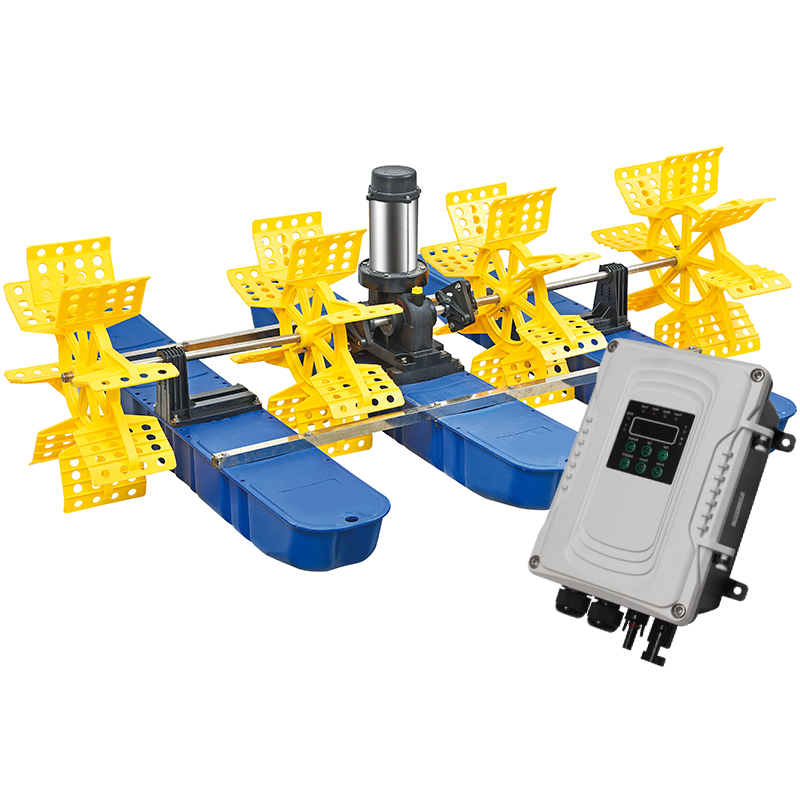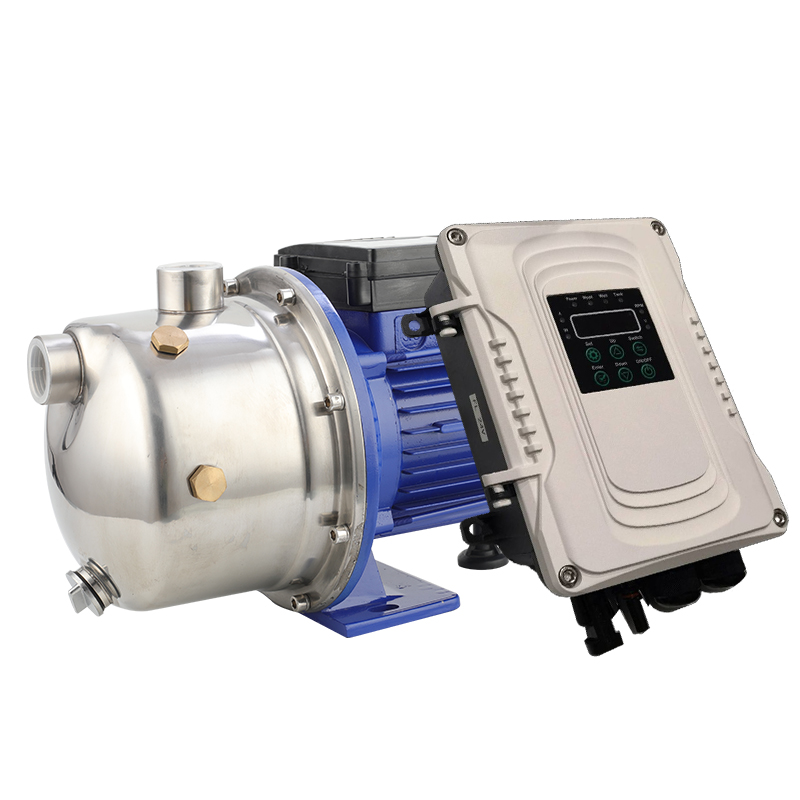

Farming suffers from high irrigation costs; without solutions, yields drop, and farmers lose profit. Solar pumps offer reliable, affordable water access.
Solar pumps improve farming by lowering energy costs, enabling efficient watering methods, and reducing dependence on unstable fuel supplies. They support sustainable agriculture through reliable water delivery while minimizing environmental impact.
Read on to learn how solar pumps transform agriculture and why they’re a valuable tool for modern farmers.
What are the benefits of solar pumps?
The biggest benefit of solar pumps is cost savings. Farmers no longer depend on diesel or unstable grid electricity, which are both expensive and unreliable. By using free solar energy, a solar pump reduces operating costs and keeps irrigation consistent. Beyond saving money, solar pumps also contribute to sustainability. They cut down carbon emissions, which is increasingly important for farms supplying environmentally aware markets. Another benefit is flexibility: solar pump manufacturers design systems for deep well pumping, surface water transfer, and drip irrigation. This adaptability makes them suitable for a wide range of watering methods, from small-scale gardens to large agricultural fields. Furthermore, solar pumps often require less maintenance compared to fuel-powered models, which means fewer disruptions in farming operations. The combination of economic and environmental advantages gives farmers a stronger long-term competitive position in their markets.
Are solar water pumps effective?
Yes, solar water pumps are highly effective when applied correctly. Their function is simple but powerful: converting solar energy into electricity to operate pumps that draw water for irrigation, livestock, or household use. Advances in solar pump manufacture have greatly increased efficiency, allowing pumps to work even under low sunlight conditions. Farmers in regions with irregular rainfall often use solar pumps to maintain steady irrigation without waiting for seasonal rains or paying for fuel deliveries. Effectiveness also depends on proper system design, which includes matching pump capacity with water needs and selecting the right watering method, such as drip or sprinkler irrigation. In many countries, solar water pumps have proven reliable enough to replace diesel units entirely, delivering consistent results even in remote rural areas. Their performance not only sustains crops but also helps farmers save time, reduce labor, and improve overall productivity.
How are pumps used in agriculture?
Pumps are essential in agriculture because they move water from sources to fields, ensuring that crops receive the right amount of moisture at the right time. Traditionally, diesel or electric pumps have been used, but solar pumps are now changing this landscape. Their function extends across several watering methods: drip irrigation for high-value crops, sprinklers for uniform field coverage, and direct surface water transfer for larger farms. In livestock management, pumps supply drinking water in pastures far from main water lines. In areas with deep groundwater, solar deep well pumps are used to draw large volumes of water efficiently. Farmers also use centrifugal and slurry pumps to handle specific agricultural tasks such as transferring wastewater or nutrient-rich effluents back to the soil. With solar pump manufacture advancing quickly, farmers can choose models optimized for their crop type, farm size, and climate conditions. This versatility explains why pumps remain central to agricultural success worldwide.
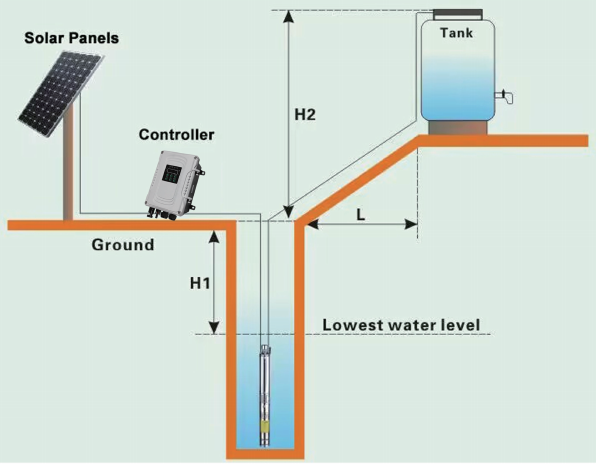
Solar pumps cut costs, boost yields, and make agriculture more sustainable.