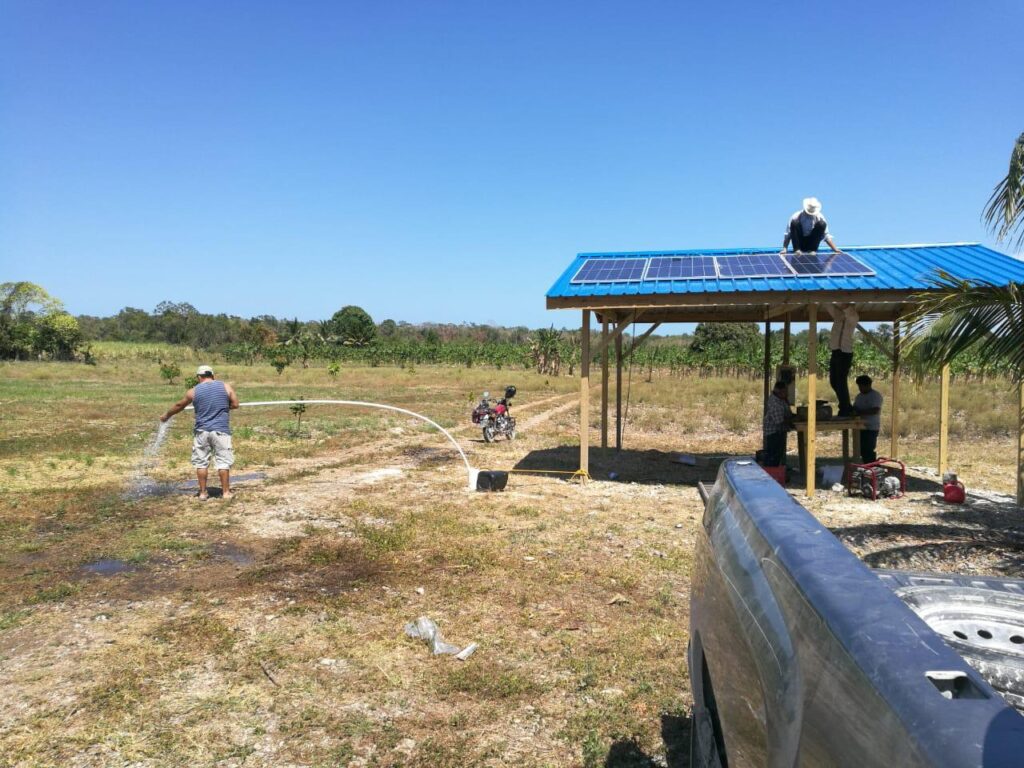
Yes, solar water pumps are widely used for livestock management, particularly in remote or off-grid areas where access to electricity is limited. Cattle, sheep, and goats require consistent water supply for health and growth, but hauling water or relying on diesel generators can be expensive and inefficient. A solar water pump solves this problem by automatically drawing groundwater into storage tanks or troughs, ensuring animals always have access to clean drinking water.
For large-scale livestock operations, solar pump for farming systems can be designed with sufficient capacity to meet herd demands. Farmers in Africa, Southeast Asia, and the Middle East increasingly adopt solar solutions because they are reliable, low-maintenance, and sustainable. Unlike diesel pumps, which require constant fuel and servicing, a properly installed solar pump works automatically whenever sunlight is available. With advancements in solar technology, these pumps can now support both small and commercial-scale livestock farms, ensuring healthier animals and higher productivity.
What are the advantages of a solar water pump?
The advantages of a solar water pump for irrigation and farming are numerous, making them attractive to both smallholders and commercial growers. First, they drastically reduce operating costs by eliminating dependence on diesel or grid electricity. Once installed, the energy source—sunlight—is free, which helps farmers stabilize long-term budgets and avoid fuel price fluctuations.
Second, solar water pumps are highly reliable. Unlike power grids in many developing regions, the sun is consistent and predictable. This makes irrigation planning more secure, reducing crop loss from water shortages. Solar pumps also provide flexibility: they can draw water from wells, rivers, or reservoirs and deliver it to drip irrigation systems or open fields.
Third, they are environmentally friendly. Traditional pumping methods release carbon emissions, but a solar pump for irrigation runs cleanly, supporting sustainable farming practices. For large-scale farming, this not only improves public image but can also meet export requirements in regions demanding eco-friendly practices.
Finally, maintenance is minimal. With fewer moving parts, solar pumps have a longer lifespan and lower repair costs. This reliability helps farmers like Alex—our typical distributor customer—offer high-quality, low-maintenance solutions to their local markets, differentiating themselves from competitors who sell outdated, fuel-dependent pumps.
Solar water pumps are practical, efficient, and essential for modern agriculture.